Have you ever wondered if your body is trying to tell you something about your cholesterol levels? As someone who has spent years researching cardiovascular health, I want to share some crucial insights about the warning signs of high cholesterol – a condition that affects nearly 94 million American adults but often goes unnoticed until it’s too late.
Understanding Cholesterol: The Good, The Bad, and The Ugly
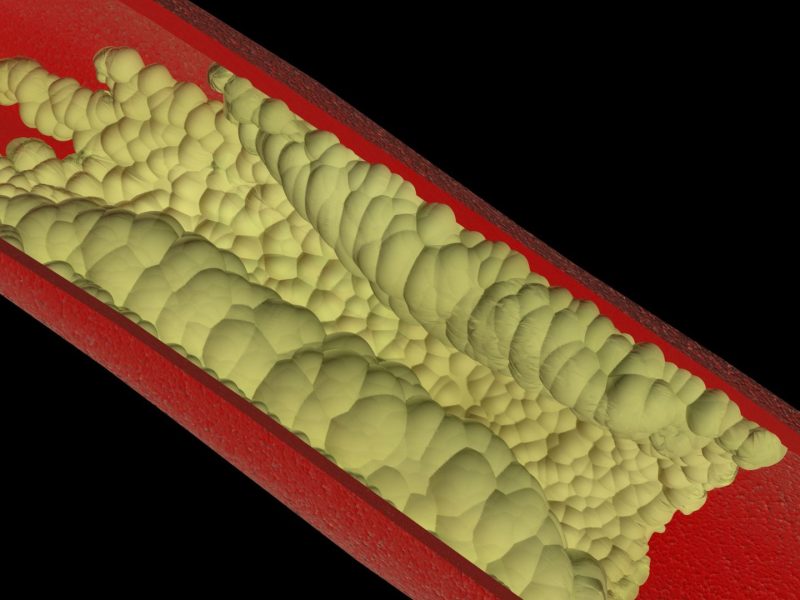
Before diving into the signs, let’s clear up a common misconception: not all cholesterol is bad. Your body actually needs some cholesterol to build healthy cells. However, when levels get too high, you’re playing a dangerous game with your health. Think of cholesterol like the traffic in your body’s highways – too much, and you’ve got yourself a serious jam.
Physical Signs You Shouldn’t Ignore
- Yellowish Patches Around Your Eyes Those small, yellowish deposits around your eyes or on your eyelids? They’re called xanthelasma, and they’re more than just a cosmetic concern. These patches can be one of the earliest visible signs that your cholesterol levels have been elevated for some time. While not everyone with high cholesterol develops these patches, their presence should prompt a visit to your healthcare provider.
- A White Ring Around Your Cornea Here’s something fascinating: if you notice a white, gray, or blue ring around your cornea (the colored part of your eye), you might be looking at what doctors call arcus senilis. While this is common in older adults, seeing it before age 45 could indicate high cholesterol levels.
- Unexplained Leg Pain Ever experience cramping in your calves while walking that goes away with rest? This condition, known as peripheral artery disease (PAD), occurs when high cholesterol contributes to plaque buildup in your arteries, reducing blood flow to your legs. It’s like having a partially clogged pipe – the water still flows, but not as efficiently as it should.
Hidden Signs That Might Surprise You
Digestive Changes
High cholesterol levels can affect your digestive system in surprising ways. Some people experience:
- Unexplained bloating after meals
- Changes in bowel habits
- A feeling of fullness even after small meals
These symptoms occur because excessive cholesterol can interfere with proper bile production, affecting how your body processes fats.
Cognitive Symptoms
Recent research has revealed some unexpected connections between high cholesterol and brain function. You might notice:
- Difficulty concentrating
- Memory lapses
- Unexplained headaches
While these symptoms can have many causes, they’re worth discussing with your healthcare provider, especially if you have other risk factors for high cholesterol.
Lifestyle Indicators That Suggest High Cholesterol
Sometimes, the signs of high cholesterol aren’t physical symptoms but rather lifestyle patterns that put you at risk. Consider these indicators:
Dietary Habits
- Regular consumption of processed foods
- High intake of saturated fats
- Limited consumption of fiber-rich foods
- Frequent fast food meals
Physical Activity Patterns
- Sedentary lifestyle
- Sitting for long periods
- Limited cardiovascular exercise
- Irregular physical activity routines
The Silent Nature of High Cholesterol
Here’s the tricky part about high cholesterol – it’s often called a “silent killer” because many people don’t experience any obvious symptoms until significant damage has occurred. That’s why it’s crucial to know your risk factors:
- Family History If your close relatives have struggled with high cholesterol, you might be genetically predisposed to the condition.
- Age and Gender As we age, our bodies process cholesterol differently. Women often see changes in their cholesterol levels after menopause.
- Lifestyle Choices Smoking, excessive alcohol consumption, and poor dietary choices can all contribute to elevated cholesterol levels.
Taking Action: What You Can Do Today
Don’t wait for symptoms to appear before taking action. Here are some proactive steps you can take:
Immediate Steps
- Schedule a lipid panel test with your healthcare provider
- Start keeping a food diary to track your fat intake
- Begin incorporating more movement into your daily routine
Long-term Strategies
- Adopt a heart-healthy diet rich in:
- Whole grains
- Leafy greens
- Lean proteins
- Healthy fats like avocados and nuts
- Develop sustainable exercise habits:
- Aim for 30 minutes of moderate activity most days
- Include both cardio and strength training
- Find activities you genuinely enjoy
The Bottom Line
High cholesterol doesn’t have to be a life sentence. By recognizing these signs early and taking appropriate action, you can maintain healthy cholesterol levels and protect your cardiovascular health. Remember, while this information is comprehensive, it’s not a substitute for professional medical advice. If you recognize any of these signs or have concerns about your cholesterol levels, consult with your healthcare provider.
What has been your experience with managing cholesterol levels? Have you noticed any of these signs in your own life? Share your story in the comments below – your experience might help someone else recognize these important warning signs.
Other Subtle and Serious Indicators
Beyond the more visible signs, high cholesterol can manifest in ways that are less obvious but equally, if not more, concerning. One such indicator is chest pain, medically known as angina. This discomfort or tightness in your chest occurs when your heart muscle isn’t getting enough oxygen rich blood, often due to plaque buildup in the arteries that supply the heart. While angina is a serious symptom that warrants immediate medical attention, it’s often a sign that high cholesterol has been silently damaging your arteries for years. Do not dismiss chest pain as mere indigestion; it could be a critical warning from your heart.
Another common companion to high cholesterol is high blood pressure. These two conditions often go hand in hand, creating a dangerous synergy that significantly increases your risk of heart disease and stroke. High cholesterol contributes to hardened, narrowed arteries, forcing your heart to pump harder to circulate blood, which in turn elevates blood pressure. Regularly monitoring your blood pressure is just as important as knowing your cholesterol levels, as both are key indicators of your overall cardiovascular health. Unfortunately, both high cholesterol and high blood pressure are often asymptomatic until they reach critical levels or cause a major event.
When to Seek Medical Advice and What to Expect
If you’ve noticed any of the signs mentioned, or if you have risk factors such as a family history of heart disease, obesity, or diabetes, it’s crucial to consult your healthcare provider. The only definitive way to diagnose high cholesterol is through a simple blood test called a lipid panel. This test measures your total cholesterol, LDL (low density lipoprotein) cholesterol, HDL (high density lipoprotein) cholesterol, and triglycerides. Your doctor will interpret these results and discuss your individual risk profile.
Early detection is key to managing high cholesterol and preventing its serious complications. Depending on your levels and overall health, your doctor may recommend lifestyle modifications, such as dietary changes and increased physical activity. Adopting a heart healthy diet rich in fruits, vegetables, whole grains, and lean proteins, while limiting saturated and trans fats, can make a significant difference. Regular exercise, even moderate activity like brisk walking, can help improve your cholesterol profile. In some cases, medication, such as statins, may be prescribed to help lower cholesterol levels and protect your cardiovascular health. Remember, taking proactive steps now can safeguard your future well being.
Frequently Asked Questions
Q: What is the difference between LDL and HDL cholesterol?
A: LDL, or low density lipoprotein, is often called “bad” cholesterol because high levels contribute to plaque buildup in your arteries. HDL, or high density lipoprotein, is considered “good” cholesterol because it helps remove excess cholesterol from your arteries and transport it back to the liver for removal from the body.
Q: How often should I get my cholesterol checked?
A: For most healthy adults, cholesterol screening is recommended every four to six years. However, if you have risk factors for heart disease, a family history of high cholesterol, or are already managing high cholesterol, your doctor may recommend more frequent testing.
Q: Can high cholesterol be reversed?
A: While “reversing” severe arterial damage is challenging, high cholesterol levels can often be significantly lowered and managed through lifestyle changes, such as diet and exercise, and sometimes with medication. This can halt or slow the progression of atherosclerosis and reduce your risk of complications.
Recommended Supplement
Master Omega-3 Fish Oil from Master Nutritional is designed to support healthy cholesterol levels. This physician-formulated supplement may help complement the healthy habits discussed in this article and contribute to your overall wellness goals.