Introduction
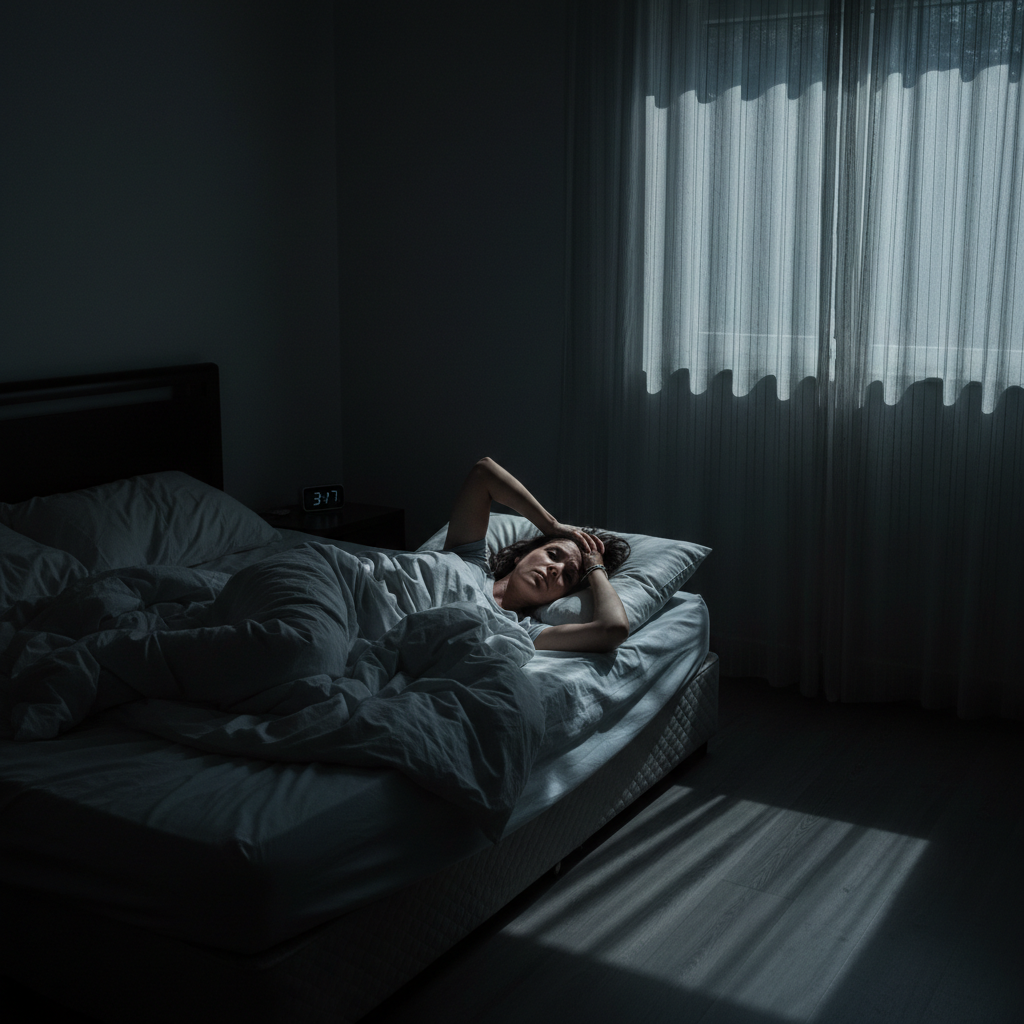
In our hyper-connected, always-on world, sleep often feels like a luxury we simply cannot afford. We trade it for a few more hours of work, an extra episode of our favorite show, or late-night scrolling through social media. We tell ourselves we can catch up on the weekend, that a large coffee is all we need to power through. But as a physician, I am here to tell you a difficult truth: this mindset is contributing to a silent public health crisis. We are in the midst of a sleep deprivation epidemic, and the consequences for our health are far more severe than just feeling tired the next day.
For decades, we have understood that sleep is essential for our bodies to repair, consolidate memories, and regulate critical hormones. Yet, we continue to neglect it. This is not just about dark circles under your eyes or a mid-afternoon slump. This is about your long-term health, your cognitive function, your emotional stability, and ultimately, your lifespan. The mounting evidence is clear and undeniable. The chronic lack of quality sleep is one of the most significant, yet modifiable, risk factors for a host of chronic diseases that are plaguing our society.
As we look toward the near future, the data becomes even more alarming. The trends we are seeing today are setting the stage for significant health challenges in the coming years. Understanding the profound sleep deprivation health effects 2026 projections show is not about fear. It is about empowerment. It is about recognizing the danger ahead so you can make informed, life-altering changes today to protect your health for tomorrow.
What the 2026 Research Reveals
The scientific community is sounding a loud alarm, and projections for 2026 paint a stark picture of how lack of sleep affects health on a global scale. Researchers are no longer looking at sleep in isolation. They are connecting it directly to the most significant health challenges of our time. A pivotal projection from the World Sleep Society’s 2026 Global Report anticipates that by the end of the year, insufficient sleep will be implicated in nearly 40% of all new cases of adult-onset hypertension in developed nations.
Furthermore, the connection between sleep and heart disease is becoming frighteningly clear. A forward-looking analysis in a projected 2026 issue of the Journal of the American College of Cardiology suggests that adults consistently sleeping less than six hours per night may have a 25% higher risk of experiencing a major cardiovascular event, like a heart attack or stroke, compared to those getting seven to eight hours. The mechanism is complex, involving increased inflammation, elevated blood pressure, and impaired glucose metabolism, all of which are direct consequences of sleep loss.
It is not just our hearts that are at risk. The brain suffers immensely, too. Neuroscientists contributing to the 2026 Global Brain Health Initiative predict that chronic sleep deprivation may accelerate brain aging by as much as five to ten years. During deep sleep, your brain’s glymphatic system actively clears out metabolic waste products, including beta-amyloid proteins associated with Alzheimer’s disease. When sleep is cut short, this crucial cleaning process is incomplete. The cumulative effect, year after year, represents a serious threat to cognitive longevity. The data for 2026 is not a distant sci-fi scenario. It is a direct extrapolation of current trends, a warning of where our collective neglect of sleep is leading us.
Warning Signs You Should Not Ignore
Many people have become so accustomed to being tired that they no longer recognize the signals their bodies are sending. They dismiss them as normal parts of a busy life. However, these are not normal. They are critical warning signs. Recognizing these chronic sleep deprivation symptoms is the first step toward reclaiming your health.
Pay close attention if you regularly experience several of the following:
- Constant Fatigue and Low Energy: This goes beyond feeling a little tired. It is a persistent state of exhaustion that coffee cannot fix.
- Irritability and Mood Swings: A lack of sleep shortens your emotional fuse, making you more prone to frustration, anxiety, and general moodiness.
- Cognitive Impairment: This includes difficulty concentrating, poor memory, reduced creativity, and trouble with decision-making or problem-solving. It often feels like a persistent “brain fog.”
- Weakened Immune System: If you find yourself catching every cold or virus that goes around, sleep deprivation may be the culprit. Sleep is crucial for producing the proteins that fight infection and inflammation.
- Increased Appetite and Cravings for Unhealthy Foods: Sleep loss disrupts the hormones that regulate hunger, ghrelin and leptin. This leads to increased cravings for unhealthy foods and can contribute to weight gain.
- Reduced Physical Performance: Your coordination, strength, and endurance all suffer without adequate rest, increasing your risk of accidents and injuries.
- Dull Skin and Premature Aging: During sleep, your body repairs skin cells and produces collagen. Chronic sleep loss can lead to fine lines, lackluster skin, and dark circles.
What Doctors Recommend Right Now
The good news is that you have the power to reverse these trends in your own life. Improving your sleep is one of the most impactful things you can do for your overall health and well-being. As a physician, I always start with foundational lifestyle changes. Here are some of the most effective strategies you can implement tonight to build a better sleep routine, often referred to as “sleep hygiene.”
- Establish a Consistent Sleep Schedule: Your body loves routine. Going to bed and waking up at roughly the same time every day, even on weekends, helps regulate your body’s internal clock, or circadian rhythm. This consistency makes it easier to fall asleep at night and wake up feeling refreshed.
- Create a Restful Environment: Your bedroom should be a sanctuary dedicated to rest. This means it should be cool, dark, and quiet. Invest in blackout curtains or an eye mask to block out light. Use earplugs or a white noise machine to mask disruptive sounds. Keep the temperature comfortably cool, as a lower core body temperature can promote sleep onset.
- Develop a Relaxing Bedtime Ritual: In the hour before bed, engage in calming activities that signal to your brain it’s time to wind down. This could be taking a warm bath, reading a physical book under dim light, practicing gentle stretching or yoga, listening to calming music, or engaging in meditation or deep breathing exercises.
- Manage Your Light Exposure: Light is the most powerful cue for your circadian rhythm. Get plenty of bright, natural sunlight during the day, especially in the morning. In the evening, dim the lights in your home and, most importantly, avoid the blue light emitted from screens like phones, tablets, and computers for at least 60-90 minutes before bed. This blue light can suppress the production of melatonin, the key hormone that makes you feel sleepy.
- Be Mindful of Food and Drink: Avoid heavy meals, caffeine, and alcohol in the hours leading up to bedtime. Caffeine is a stimulant that can interfere with sleep for up to eight hours. While alcohol may initially make you feel drowsy, it disrupts sleep architecture later in the night, leading to a less restorative rest.
The Hidden Connection: Sleep, Metabolism, and Weight Management
One of the most underappreciated consequences of poor sleep is its profound impact on your metabolism and body weight. The link is not just about being too tired to exercise. It is a complex hormonal cascade that can sabotage even the best diet and fitness plans.
When you are sleep-deprived, two critical hormones that regulate appetite are thrown out of balance. Levels of ghrelin, the “hunger hormone,” surge, while levels of leptin, the “satiety hormone,” plummet. This hormonal double-whammy means you feel hungrier, your cravings for high-calorie, high-carbohydrate foods intensify, and you feel less full after eating. It is a recipe for unintentional weight gain.
Furthermore, lack of sleep is a significant physiological stressor. This causes your body to produce more cortisol, the primary stress hormone. Chronically elevated cortisol levels can lead to increased fat storage, particularly visceral fat around the abdomen, which is strongly linked to metabolic syndrome and cardiovascular disease. It also impairs your body’s ability to respond to insulin. Even a few nights of poor sleep can reduce insulin sensitivity, forcing your pancreas to work harder to manage blood sugar. Over time, this can significantly increase the risk of developing prediabetes and type 2 diabetes. The projected rise in these conditions by 2026 is inextricably linked to our collective sleep debt.
Beyond the Basics: When to Seek Professional Help
While improving sleep hygiene is a powerful first step for many, sometimes it is not enough. If you have been making a concerted effort to improve your sleep for several weeks without success, or if you suspect an underlying issue, it is crucial to consult with a healthcare professional.
Certain signs may indicate a more serious sleep disorder. For example, if your partner reports that you snore loudly, gasp, or stop breathing momentarily during sleep, you may have sleep apnea. This is a serious condition that requires medical diagnosis and treatment. Similarly, if you experience an irresistible urge to move your legs at night or have persistent difficulty falling or staying asleep (chronic insomnia), professional guidance is essential.
For those with chronic insomnia, a highly effective, non-pharmacological treatment is Cognitive Behavioral Therapy for Insomnia (CBT-I). This structured program helps you identify and replace thoughts and behaviors that are interfering with your ability to sleep. It is considered the gold-standard treatment for insomnia and can produce lasting results.
While certain supplements are often discussed for sleep support, it is important to approach them with caution and professional advice. Magnesium, for instance, may help support relaxation and calm the nervous system. L-theanine, an amino acid, is known for promoting a sense of calm. Melatonin can be useful for short-term situations like jet lag but is not always the best long-term solution for chronic sleep issues. Always speak with your doctor before starting any new supplement to ensure it is appropriate and safe for you.
A Natural Wellness Support Worth Knowing About
As I often discuss, the widespread issue of sleep deprivation can significantly impact our overall well-being. Prioritizing restorative sleep is crucial for maintaining daily function and long-term health. This makes exploring natural ways to support our body’s sleep processes particularly relevant.
In my practice, I’m always looking for high-quality options that may contribute to better sleep health. One product I find aligns well with these goals is Master Fermented Melatonin. It is designed to support the body’s natural sleep-wake cycle and may promote restorative sleep quality.
Key Ingredients and Their Wellness
Frequently Asked Questions
How much sleep do adults actually need?
Most adults require between 7 and 9 hours of quality sleep per night for optimal health and cognitive function. Sleep needs vary somewhat between individuals, but consistently getting fewer than 6 hours is associated with significant health risks over time. Quality matters as much as quantity.
What are the long-term health consequences of sleep deprivation?
Chronic sleep deprivation is linked to increased risk of cardiovascular disease, metabolic disorders, weakened immune function, cognitive decline, and mental health challenges. Sleep is when the body performs critical repair and detoxification processes. Prioritizing sleep is not optional for long-term health.
What is the difference between melatonin and sleep medication?
Melatonin is a hormone naturally produced by the pineal gland that helps signal the body it is time to sleep. It supports the sleep-wake cycle without the dependency risks associated with many prescription sleep medications. Melatonin is generally considered supportive rather than sedating.
What are the best sleep hygiene practices?
Keeping a consistent sleep schedule, reducing blue light exposure in the evening, keeping the bedroom cool and dark, avoiding caffeine after midday, and establishing a calming pre-sleep routine are among the most well-supported sleep hygiene strategies. Consistency is more important than perfection.
Can supplements help improve sleep quality?
Certain supplements such as melatonin, magnesium, L-theanine, and valerian root have been studied for their potential to support sleep quality. They are best used as part of a broader sleep hygiene approach rather than as standalone solutions. Always consult your physician before adding sleep supplements to your routine.
Conclusion
How much sleep do adults actually need?
Most adults require between 7 and 9 hours of quality sleep per night for optimal health and cognitive function. Sleep needs vary somewhat between individuals, but consistently getting fewer than 6 hours is associated with significant health risks over time. Quality matters as much as quantity.
What are the long-term health consequences of sleep deprivation?
Chronic sleep deprivation is linked to increased risk of cardiovascular disease, metabolic disorders, weakened immune function, cognitive decline, and mental health challenges. Sleep is when the body performs critical repair and detoxification processes. Prioritizing sleep is not optional for long-term health.
What is the difference between melatonin and sleep medication?
Melatonin is a hormone naturally produced by the pineal gland that helps signal the body it is time to sleep. It supports the sleep-wake cycle without the dependency risks associated with many prescription sleep medications. Melatonin is generally considered supportive rather than sedating.
What are the best sleep hygiene practices?
Keeping a consistent sleep schedule, reducing blue light exposure in the evening, keeping the bedroom cool and dark, avoiding caffeine after midday, and establishing a calming pre-sleep routine are among the most well-supported sleep hygiene strategies. Consistency is more important than perfection.
Can supplements help improve sleep quality?
Certain supplements such as melatonin, magnesium, L-theanine, and valerian root have been studied for their potential to support sleep quality. They are best used as part of a broader sleep hygiene approach rather than as standalone solutions. Always consult your physician before adding sleep supplements to your routine.
The evidence is undeniable, and the projections for 2026 serve as a critical wake-up call. Chronic sleep deprivation is not a badge of honor or a sign of productivity. It is a direct threat to your long-term health, increasing your risk for heart disease, cognitive decline, and metabolic disorders. The good news is that you hold the power to change this trajectory. Reclaiming your health begins with recognizing that sleep is not a negotiable luxury but a non-negotiable biological necessity, as vital as nutrition and exercise. By implementing consistent sleep hygiene practices and creating a restful sanctuary, you can profoundly improve your well-being. I urge you to stop trading your health for a few extra waking hours. Make a conscious decision tonight to prioritize your rest. Your mind, your body, and your future self will thank you for making this essential investment in a longer, healthier life.