Have you ever wondered why some of us end up with these unwanted “pebbles” in our kidneys? As someone who has spent years researching urological conditions, I’m here to break down the mystery of kidney stones in a way that actually makes sense. Trust me, understanding why these painful crystals form is the first step to preventing them from disrupting your life.
The Fascinating (and Painful) World of Kidney Stones
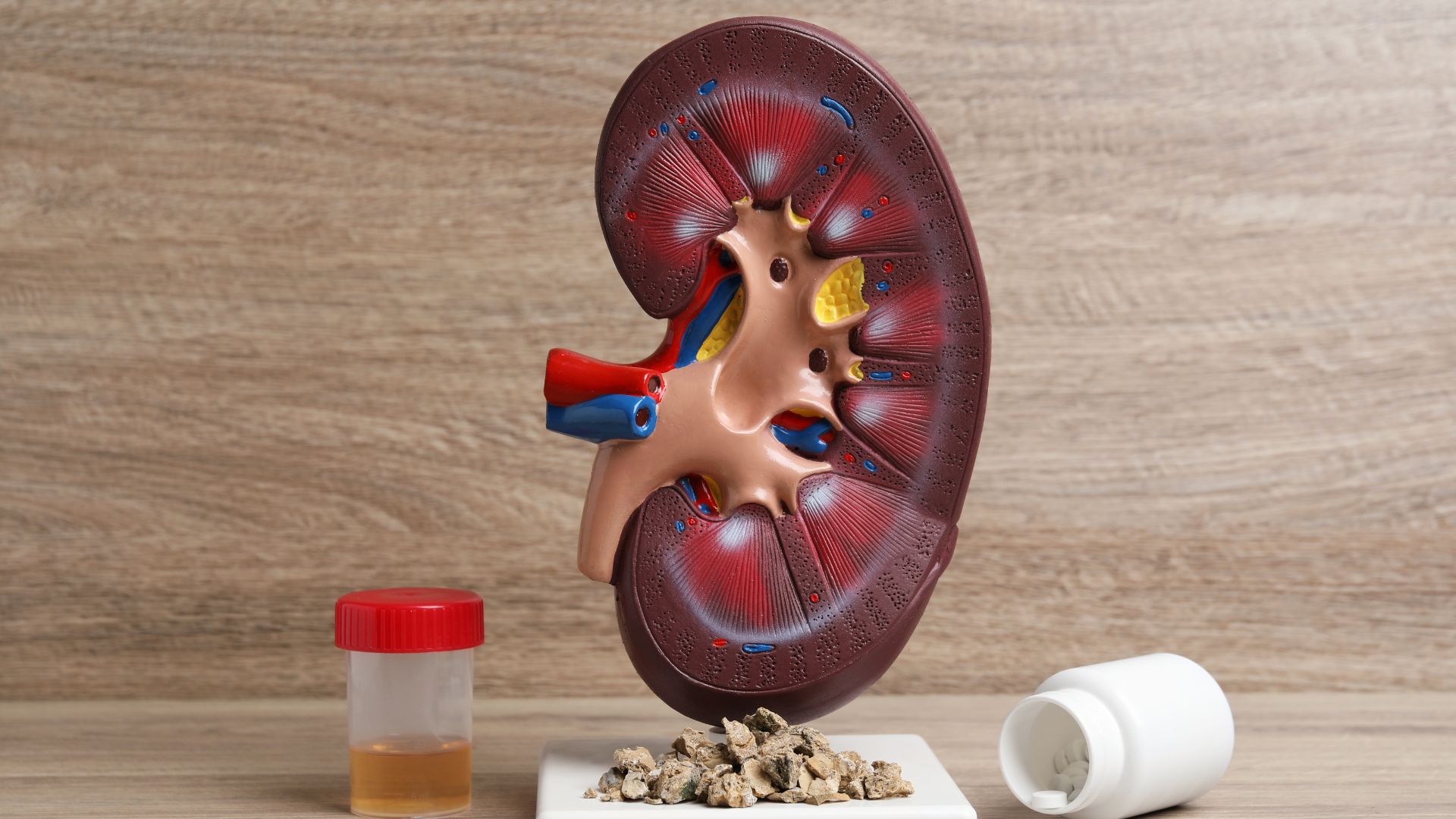
Let’s get real – kidney stones are about as welcome as a smartphone falling into a toilet. These crystalline troublemakers form when certain substances in your urine decide to have an unwanted reunion party in your kidneys. But why exactly does this happen?
The Chemistry Behind the Crisis
Think of your kidneys as nature’s most sophisticated filtering system. Every day, they process about 200 quarts of blood to remove waste products and extra water. Usually, this process runs smoother than a barista making your morning coffee. However, when there’s too much waste and too little liquid, these waste products can start crystallizing – like sugar crystals forming in syrup that’s been left out too long.
The Most Common Culprits Behind Stone Formation
1. Dehydration: Your Kidney’s Worst Enemy
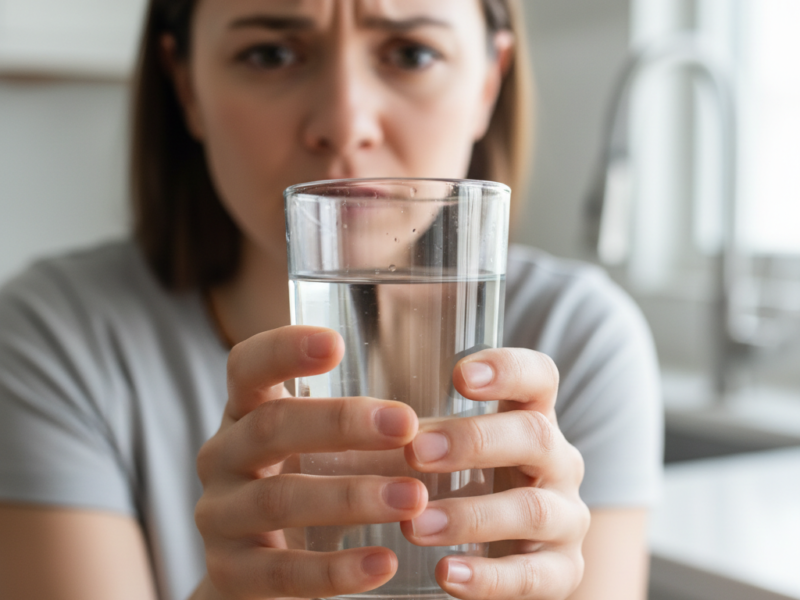
Remember that time you forgot to drink water all day because you were binge-watching your favorite show? Yeah, that’s exactly what your kidneys don’t want. When you’re dehydrated, your urine becomes concentrated, making it easier for minerals to stick together and form stones. It’s like making rock candy, except way less fun and way more painful.
2. Diet: The Double-Edged Sword
Your food choices can be either your kidney’s best friend or its worst nightmare. Here’s what’s happening:
- Too much sodium: High salt intake is like sending an invitation to calcium to party in your kidneys
- Animal protein overload: Excessive meat consumption can increase uric acid levels
- Oxalate-rich foods: While some are healthy (like spinach and nuts), too much can lead to calcium oxalate stones
3. The Genetic Factor: Thanks, Mom and Dad!
Sometimes, you can blame your parents for your kidney stones. Certain genetic conditions can make you more prone to developing these crystalline troublemakers. It’s like inheriting your mom’s nose or your dad’s sense of humor – except this inheritance is definitely less entertaining.
Understanding Different Types of Kidney Stones
Calcium Stones: The Popular Kids
Making up about 80% of all kidney stones, calcium stones are the varsity athletes of the stone world. They usually form as calcium oxalate, though calcium phosphate stones occasionally crash the party too.
Uric Acid Stones: The Acid Rebels
These stones form when your urine is consistently too acidic – kind of like when you’ve been hitting the protein shakes a little too hard. They’re particularly common in people who follow high-protein diets or have gout.
Struvite Stones: The Infection Connection
These stones are the sneaky ones, usually showing up after urinary tract infections. They can grow quickly and become quite large, earning them the nickname “staghorn stones” because they can branch out like a deer’s antlers.
Prevention: Your Action Plan Against Stone Formation
1. Hydration is Your Best Friend
The simplest solution is often the most effective. Drinking enough water throughout the day is like giving your kidneys a constant cleaning service. Aim for urine that’s light yellow – if it’s darker, your kidneys are sending you a “we need more water” SOS signal.
2. Smart Dietary Choices
Making informed food choices doesn’t mean giving up everything you love. It’s about balance:
- Reduce sodium intake
- Moderate animal protein consumption
- Balance oxalate-rich foods with calcium-containing foods
- Add citrus fruits to your diet (they contain natural stone inhibitors)
3. Lifestyle Modifications That Matter
Some simple changes can make a big difference:
- Maintaining a healthy weight
- Regular exercise (but don’t forget to hydrate!)
- Limiting alcohol and sugary drinks
- Getting adequate sleep (yes, it affects your kidney function!)
When to Seek Professional Help
Don’t play the waiting game if you experience:
- Severe back or side pain
- Blood in your urine
- Frequent urinary tract infections
- Family history of kidney stones
The Future of Kidney Stone Treatment
Medical science continues to evolve, offering new hope for stone sufferers. From ultrasound technology that can break up stones without surgery to new medications that can prevent stone formation, the future looks promising for kidney stone treatment.
Your Takeaway Message
Understanding why kidney stones form is your first line of defense against these painful crystals. Remember, prevention is always better than cure, and small changes in your daily habits can make a significant difference in keeping your kidneys stone-free.
By staying hydrated, making smart dietary choices, and being aware of your risk factors, you can significantly reduce your chances of experiencing the unwanted adventure of passing a kidney stone. Your kidneys work hard for you 24/7 – showing them some love through healthy choices is the least we can do in return.
Every person’s body is different, and what works for one might not work for another. If you’re concerned about kidney stones, having a conversation with your healthcare provider about your specific risk factors and prevention strategies is always a smart move. Your kidneys will thank you for taking the time to understand and protect them!
ening:
- High Sodium Intake: Eating too much salt can increase the amount of calcium your kidneys excrete into your urine. More calcium in the urine means a higher chance of it binding with other waste products to form stones. Think of it as adding more building blocks for stone formation.
- Excess Animal Protein: Diets rich in red meat, poultry, and fish can increase uric acid levels and decrease citrate, a natural stone inhibitor, in your urine. This creates a more acidic environment, making it easier for uric acid and calcium oxalate stones to form.
- Oxalate-Rich Foods: Oxalate is a natural substance found in many healthy foods, but in high amounts, it can bind with calcium in the urine to form calcium oxalate stones, the most common type. Foods like spinach, rhubarb, almonds, cashews, chocolate, and sweet potatoes are high in oxalate. It’s not about avoiding them entirely, but moderation is key, especially if you’re prone to stones.
- Low Calcium Intake: This might sound counterintuitive, but not getting enough dietary calcium can actually increase your risk of kidney stones. When you don’t consume enough calcium, oxalate in your digestive tract is more likely to be absorbed into your bloodstream and then excreted by your kidneys, where it can form stones. Calcium from food binds with oxalate in the gut, preventing its absorption.
3. Medical Conditions and Genetics: The Unlucky Draw
Sometimes, kidney stones aren’t just about what you eat or drink. Certain medical conditions can significantly increase your risk. Conditions like hyperparathyroidism (which leads to too much calcium in the blood), inflammatory bowel disease (affecting nutrient absorption), and recurrent urinary tract infections (which can lead to struvite stones) can all play a role. Furthermore, if your parents or siblings have had kidney stones, your chances of
Recommended Supplement
Master Multivitamin from Master Nutritional is designed to support comprehensive daily nutritional support. This physician-formulated supplement may help complement the healthy habits discussed in this article and contribute to your overall wellness goals.