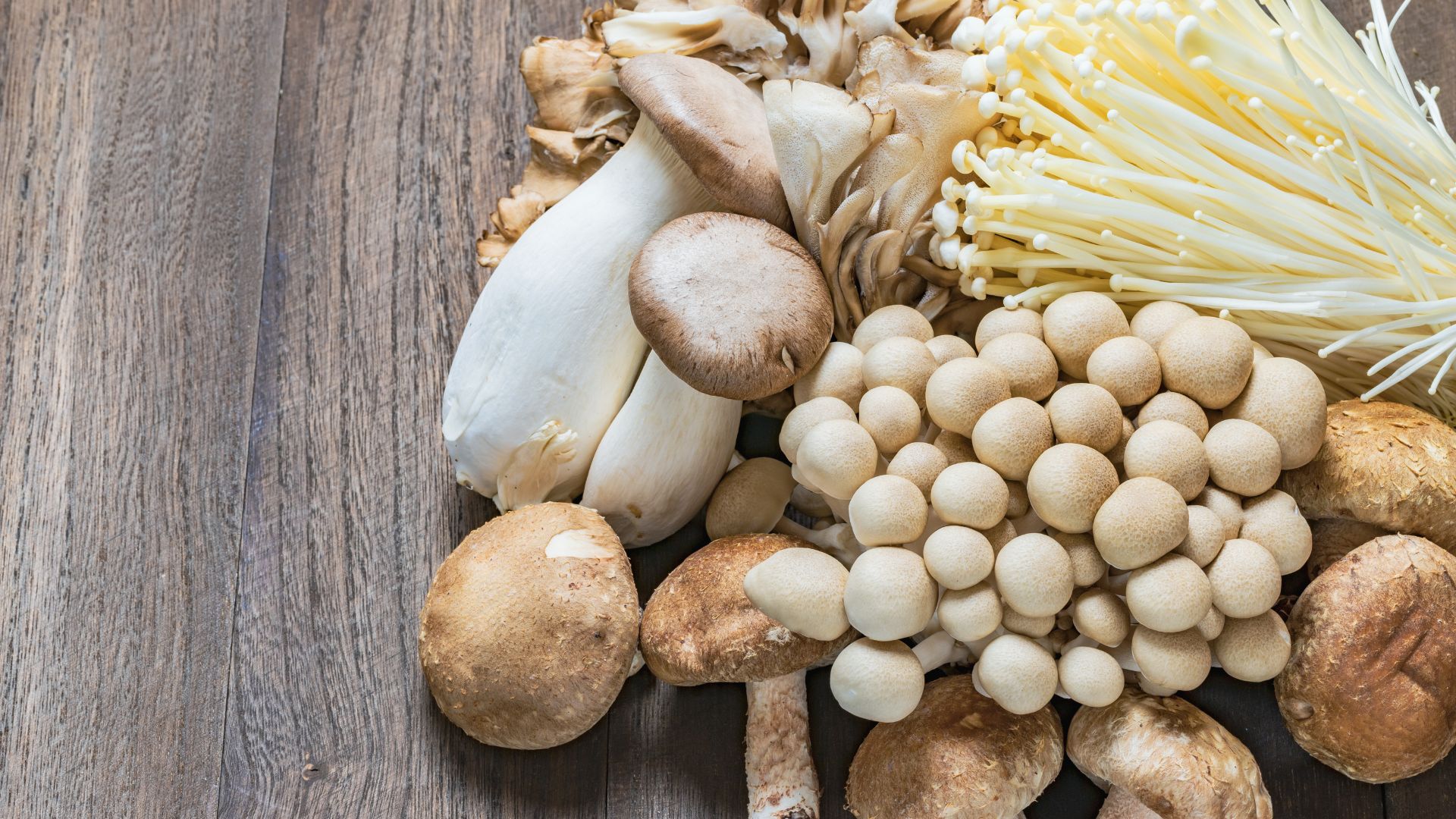
As a doctor with a passion for nutrition, I am often asked about the health benefits of mushrooms. These fascinating fungi are not just culinary delights—they are nutritional powerhouses that offer a range of health benefits. Whether you enjoy them in soups, stir-fries, or salads, mushrooms can be a valuable addition to your diet. Let’s explore just how healthy mushrooms really are.
Nutritional Profile of Mushrooms
Mushrooms are low in calories but high in essential nutrients. They are an excellent source of:
- B Vitamins (Riboflavin, Niacin, Pantothenic Acid) – Essential for energy production and brain health.
- Antioxidants – Including selenium and ergothioneine, which help protect cells from oxidative damage.
- Fiber – Supports gut health and digestion.
- Vitamin D – Certain mushrooms, when exposed to sunlight, provide a natural source of this crucial vitamin for bone and immune health.
- Minerals – Such as potassium, which helps regulate blood pressure.
Health Benefits of Mushrooms
1. Boosts Immune System
Mushrooms contain beta-glucans, compounds that help enhance immune function by activating white blood cells. This makes them a great addition to a diet aimed at preventing infections and supporting overall immunity.
2. Supports Heart Health
Mushrooms are cholesterol-free and contain fiber, antioxidants, and potassium, all of which support cardiovascular health. Potassium helps regulate blood pressure, while compounds in mushrooms can lower bad cholesterol (LDL) levels.
3. Aids in Weight Management
Because mushrooms are low in calories and high in fiber, they can help you feel fuller for longer, reducing overall calorie intake. This makes them a great food choice for those looking to manage their weight effectively.
4. Promotes Gut Health
Prebiotic fibers in mushrooms help nourish beneficial gut bacteria, contributing to a healthier digestive system. A balanced gut microbiome is crucial for digestion, immunity, and even mental health.
5. Supports Brain Health
Studies suggest that the antioxidants found in mushrooms, particularly ergothioneine, may help reduce the risk of neurodegenerative diseases like Alzheimer’s and Parkinson’s. Regular mushroom consumption is linked to improved cognitive function and mental clarity.
6. May Have Anti-Cancer Properties
Certain types of mushrooms, such as shiitake and reishi, contain compounds that have been studied for their potential anti-cancer properties. While more research is needed, some studies suggest that mushrooms may help reduce the risk of certain cancers by boosting the immune system and reducing inflammation.
How to Include More Mushrooms in Your Diet
Mushrooms are incredibly versatile and can be added to various dishes, including:
- Stir-fries and sautés
- Soups and stews
- Omelets and scrambled eggs
- Pasta and grain bowls
- Grilled or roasted as a meat substitute
Final Thoughts
Mushrooms are a nutritional goldmine with numerous health benefits, from supporting immunity to promoting heart and brain health. They are a delicious and versatile food that can easily be incorporated into any diet. If you haven’t already, consider adding more mushrooms to your meals to take advantage of their amazing health benefits.
Have questions about mushrooms and their benefits? Drop them in the comments below!
Frequently Asked Questions
Q1: What are the general health benefits of mushrooms?
Mushrooms are a rich source of vitamins, minerals, and antioxidants, contributing to overall well-being. They can support immune function, reduce inflammation, and provide essential nutrients for a balanced diet.
Q2: Do all mushrooms offer the same health benefits?
While many mushrooms share common nutritional properties, specific varieties like shiitake, reishi, and lion’s mane possess unique compounds offering distinct benefits, such as enhanced cognitive function or potent adaptogenic effects.
Q3: Are there any risks or downsides to eating mushrooms?
Most culinary mushrooms are safe, but some wild varieties are poisonous and should never be consumed. Additionally, some individuals may experience mild digestive upset or allergic reactions to certain types.
Q4: How should mushrooms be prepared to maximize their health benefits?
Cooking mushrooms generally makes their nutrients more bioavailable and eliminates potential toxins. Sautéing, grilling, or roasting are excellent methods, and avoiding excessive oil or butter helps maintain their healthy profile.
Q5: Can mushrooms boost the immune system?
Yes, many mushrooms contain beta-glucans and other polysaccharides known to modulate and strengthen the immune system. Regular consumption can help the body defend against pathogens and reduce the frequency of illness.
urish beneficial gut bacteria, acting as prebiotics. A healthy gut microbiome is linked to improved digestion, enhanced nutrient absorption, and a stronger immune system.
Health Benefits of Mushrooms (Continued)
Recommended Supplement
Master Immune Defense from Master Nutritional is designed to support immune system strength. This physician-formulated supplement may help complement the healthy habits discussed in this article and contribute to your overall wellness goals.
Promotes Gut Health
Prebiotic fibers in mushrooms help nourish beneficial gut bacteria, contributing to a balanced and diverse microbiome. A healthy gut is intrinsically linked to improved digestion, enhanced nutrient absorption, and even better mood and immune function. By feeding these