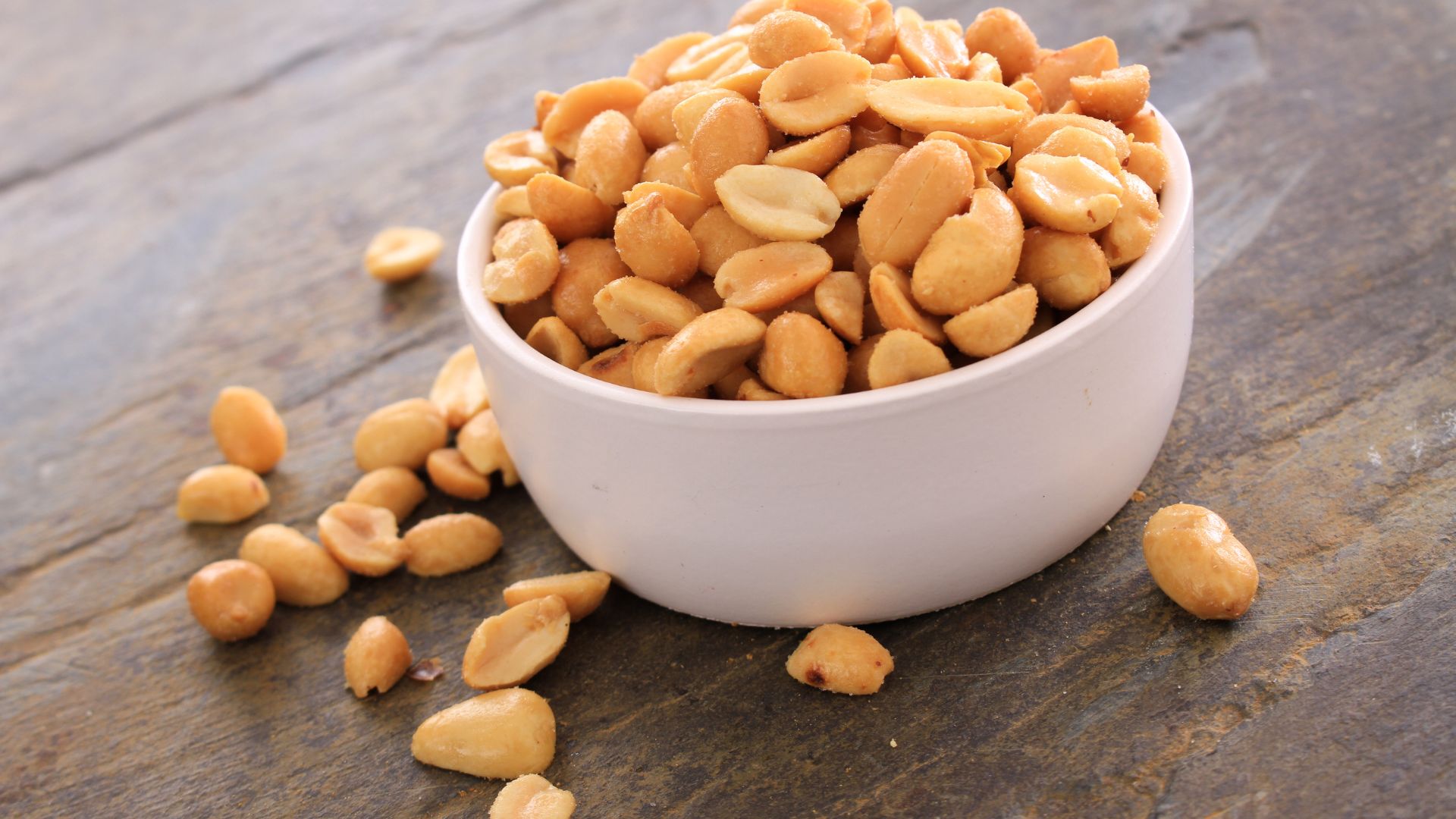
As a doctor specializing in nutrition and wellness, I often get asked whether peanuts qualify as a superfood. The term “superfood” is frequently thrown around in the health industry, often associated with exotic and expensive foods like acai berries and quinoa. But what about the humble peanut? Despite its simple appearance, peanuts pack an impressive nutritional punch. So, let’s dive into the science and see if peanuts deserve the superfood title.
What Makes a Food a Superfood?
Superfoods are nutrient-dense foods that provide significant health benefits. They are typically rich in antioxidants, vitamins, minerals, and healthy fats. Superfoods help reduce inflammation, boost energy, and support overall well-being. While peanuts may not always be included in the traditional superfood lists, they certainly meet many of these criteria.
The Nutritional Power of Peanuts
Peanuts are often overlooked in favor of almonds and walnuts, but they are packed with nutrients that promote good health. Here’s why peanuts deserve more recognition:
- Rich in Protein: Peanuts are an excellent plant-based protein source, making them ideal for vegetarians and vegans. A single serving (about 28 grams) provides around 7 grams of protein, helping with muscle repair and growth.
- Healthy Fats: Despite being high in fat, peanuts contain predominantly heart-healthy monounsaturated and polyunsaturated fats, which help lower bad cholesterol (LDL) and support cardiovascular health.
- Packed with Fiber: Peanuts are a great source of dietary fiber, which promotes digestion, prevents constipation, and supports gut health.
- Loaded with Antioxidants: Peanuts contain resveratrol, the same powerful antioxidant found in red wine, which helps combat oxidative stress and reduce the risk of chronic diseases.
- Rich in Essential Vitamins and Minerals: Peanuts are an excellent source of vitamin E, magnesium, folate, and niacin—all of which play vital roles in maintaining brain function, heart health, and immunity.
Health Benefits of Peanuts
Peanuts offer a wide range of health benefits, including:
- Heart Health: The monounsaturated fats and antioxidants in peanuts help lower the risk of heart disease by reducing bad cholesterol and inflammation.
- Weight Management: Peanuts have a high satiety factor, meaning they keep you full for longer and reduce unnecessary snacking.
- Diabetes Management: The combination of protein, fiber, and healthy fats in peanuts helps regulate blood sugar levels, making them a great snack option for diabetics.
- Brain Health: Peanuts contain niacin and vitamin E, which support cognitive function and may reduce the risk of neurodegenerative diseases like Alzheimer’s.
Are Peanuts Right for Everyone?
While peanuts offer numerous health benefits, they may not be suitable for everyone. Some individuals have peanut allergies, which can be severe. Additionally, it’s best to consume peanuts in moderation, as excessive intake may lead to unwanted weight gain due to their calorie density.
Final Verdict: Are Peanuts a Superfood?
Based on their impressive nutritional profile, I believe peanuts can absolutely be considered a superfood. They are affordable, widely available, and packed with essential nutrients that support overall health. So, next time you’re looking for a healthy snack, don’t overlook peanuts—they might just be the superfood you’ve been searching for!
Have questions or personal experiences with peanuts? Share them in the comments below!
Frequently Asked Questions
Are peanuts officially classified as a superfood?
While “superfood” is not a scientific classification, peanuts possess many beneficial nutrients. They offer protein, healthy fats, and various vitamins and minerals that support overall health. Dr. Collins emphasizes their nutritional density rather than a specific label.
What key nutritional benefits do peanuts provide?
Peanuts are a rich source of plant based protein, dietary fiber, and healthy monounsaturated and polyunsaturated fats. They also contain antioxidants, magnesium, potassium, and B vitamins, contributing to heart health and energy levels
The Nutritional Power of Peanuts
Vitamins and Minerals: Peanuts are a good source of essential vitamins and minerals, including B vitamins (niacin, folate, thiamine), magnesium, phosphorus, potassium, and zinc. These nutrients play crucial roles in energy metabolism, nerve function, bone health, and immune support. Incorporating peanuts into your diet can help you meet your daily requirements for these vital micronutrients. Satiety and Weight Management: Thanks to their high protein, fiber, and healthy fat content, peanuts are incredibly satiating. Eating peanuts can help you feel fuller for longer, reducing overall calorie intake and potentially aiding in weight management. Studies have shown that regular peanut consumption, in moderation, does not lead to weight gain and can even support healthy weight maintenance. Blood Sugar Regulation: The combination of protein, fiber, and healthy fats in peanuts helps to stabilize blood sugar levels. They have a low glycemic index, meaning they cause a slow and steady rise in blood glucose, rather than a sharp spike. This makes them a beneficial snack for individuals managing diabetes or those looking to prevent blood sugar fluctuations.
Potential Considerations and How to Enjoy Peanuts Safely
While peanuts offer numerous health benefits, it’s important to be aware of a few considerations. The most significant concern is peanut allergies, which can range from mild to severe and life-threatening. If you or someone you know has a peanut allergy, strict avoidance is crucial. For those without allergies, moderation is key due to their calorie density. While the fats are healthy, consuming excessive amounts can contribute to a calorie surplus. Opt for plain, unsalted, or lightly roasted peanuts to avoid added sodium and sugars often found in flavored varieties. When choosing peanut butter, look for natural options with minimal ingredients, ideally just peanuts and a touch of salt. Always store peanuts and peanut butter in a cool, dry place to prevent spoilage and the potential for aflatoxin contamination, a naturally occurring toxin that can be harmful in large quantities. Choosing reputable brands and checking for freshness can help mitigate this risk. By being mindful of these points, you can safely enjoy the nutritional advantages peanuts offer.
A Supplement Worth Discussing With Your Doctor
One product worth exploring is Master Multivitamin Gummies from Master Nutritional. This supplement helps fill nutritional gaps, supports sustained energy levels, and promotes overall daily wellness.
- Formulated with high-quality, science-backed ingredients
- Designed for long-term wellness support
- Available at masternutritional.com
These statements have not been evaluated by the FDA. Not intended to diagnose, treat, cure, or prevent any disease. Always consult your physician.