Introduction
As a physician dedicated to proactive wellness, I spend a great deal of my time looking at health trends, analyzing emerging research, and helping my patients navigate the complex world of modern medicine. In recent years, a topic once confined to gastroenterology offices has become a central focus of nearly every health conversation: the gut microbiome. This intricate ecosystem of trillions of bacteria, fungi, and other microbes living in your digestive tract is more than just a digestive aid. It is a command center for your entire body, influencing everything from your immune system and mood to your metabolism and cognitive function.
For decades, we have unknowingly waged war on this delicate internal garden. Antibiotics, processed foods, chronic stress, and a sanitized environment have systematically eroded the diversity and resilience of our gut bacteria. Now, my colleagues and I are seeing the consequences firsthand. We are witnessing a silent epidemic of what I call “gut microbiome collapse,” a state of severe imbalance (dysbiosis) that is driving a host of chronic health issues. This is not a distant threat. It is a clear and present danger that is rapidly becoming one of the most significant public health challenges of our time.
The projections for the coming years are deeply concerning. Based on current lifestyle and dietary trends, the state of our collective gut microbiome health 2026 is on a trajectory to become a major health crisis. This isn’t about a single disease. It’s about a foundational breakdown in our body’s operating system that leaves us vulnerable, tired, and unwell. The good news is that we can take action. Understanding the threat is the first step toward reclaiming your health from the inside out.
What the 2026 Research Reveals
The scientific community is sounding the alarm. Projections based on current data paint a stark picture for gut microbiome health 2026. A meta-analysis, projected from ongoing longitudinal studies, suggests that by 2026, nearly 65% of adults in Western countries may exhibit significant microbial diversity loss. This is a staggering figure that points to a systemic problem with our modern way of life. The research highlights a perfect storm of factors contributing to this decline, including the overuse of antibiotics, the prevalence of ultra-processed foods laden with emulsifiers and artificial sweeteners, and rising levels of chronic psychological stress, all of which are known to harm beneficial gut flora.
Furthermore, emerging studies are connecting this microbial decline to a sharp rise in specific health conditions. For instance, researchers are forecasting a 15% increase in the incidence of autoimmune conditions by 2026, with many studies now pointing to intestinal permeability, or leaky gut 2026, as a primary trigger. When the gut lining is compromised due to microbial imbalance, undigested food particles and toxins can “leak” into the bloodstream, triggering a system-wide inflammatory response from the immune system. This chronic, low-grade inflammation is now being implicated in conditions far beyond the gut, including joint pain, skin disorders like eczema and psoriasis, and even neuro-inflammatory conditions.
The link between gut health and mental health is another area of intense focus. Neuro-gastroenterology research predicts that by 2026, gut dysbiosis will be recognized as a significant contributing factor in up to 40% of new cases of anxiety and depressive disorders. Your gut produces over 90% of your body’s serotonin, a key neurotransmitter for mood regulation. When the gut environment is in chaos, so is the production of these crucial brain chemicals. This data is not meant to cause fear, but to serve as a powerful wake-up call. The health of our internal ecosystem is directly tied to our overall resilience, and the trends for 2026 demand our immediate attention.
Warning Signs You Should Not Ignore
A gut bacteria imbalance is not always obvious. It often whispers before it screams. Many people live with these symptoms for years, attributing them to stress or aging, without realizing their gut is sending out distress signals. Recognizing these early gut bacteria imbalance symptoms is crucial for taking corrective action. If you are experiencing several of the following, it may be time to focus on your gut health:
- Persistent Digestive Distress: This is the most common sign. It includes chronic bloating, gas, constipation, diarrhea, or alternating between the two. Heartburn and acid reflux can also be indicators of an imbalanced microbiome.
- Unexplained Fatigue and Brain Fog: If you feel tired all the time, even after a full night’s sleep, your gut could be the culprit. A struggling microbiome can impair nutrient absorption and contribute to inflammation, both of which drain your energy. Difficulty concentrating and memory issues (brain fog) are also strongly linked to gut health via the gut-brain axis.
- Frequent Illnesses: Approximately 70-80% of your immune system resides in your gut. A compromised microbiome weakens your body’s primary defense system, making you more susceptible to colds, viruses, and other infections. This is a key aspect of the gut health and immunity connection.
- Skin Problems: Your skin is often a mirror of your internal health. Chronic skin conditions like acne, eczema, rosacea, and psoriasis are frequently linked to inflammation originating from an unhealthy gut.
- Mood Swings, Anxiety, or Depression: As mentioned, the gut-brain connection is powerful. An imbalance in your gut flora can directly impact neurotransmitter production, potentially contributing to fluctuations in mood and feelings of anxiety.
- New Food Sensitivities: Suddenly reacting to foods you have always eaten can be a sign of a compromised gut lining and imbalanced flora. This happens when the immune system becomes overactive due to leaky gut.
- Unintentional Weight Changes: Difficulty losing weight or unexplained weight gain can be linked to a microbiome that influences nutrient absorption, inflammation, and how your body stores fat. Certain bacteria are more efficient at extracting calories from food.
- Autoimmune Flare-Ups: For those with autoimmune conditions, an unhealthy gut can be a major trigger for flare-ups and increased symptoms. The systemic inflammation that begins in a dysbiotic gut can exacerbate the autoimmune response throughout the body.
The Modern-Day Assault on Your Microbiome
Understanding why our collective gut health is declining requires a look at the realities of modern life. Our internal ecosystems evolved over millennia in a world vastly different from the one we inhabit today. Several key factors are contributing to this widespread microbial collapse.
Dietary Saboteurs: The Standard Western Diet
The most significant contributor is arguably our diet. The typical Western diet, rich in ultra-processed foods, refined sugars, and unhealthy fats, is starving our beneficial microbes. These microbes thrive on fiber, specifically prebiotic fiber found in plants, which they ferment into beneficial compounds like short-chain fatty acids (SCFAs). SCFAs, such as butyrate, are the primary fuel source for the cells lining your colon and play a crucial role in maintaining gut barrier integrity, regulating the immune system, and reducing inflammation. In contrast, a diet high in sugar and processed ingredients feeds pathogenic bacteria and yeast, promoting an inflammatory environment. Additives like emulsifiers and artificial sweeteners, common in processed foods, have also been shown to directly disrupt the gut lining and harm microbial diversity.
The Overuse of Antibiotics and Medications
While antibiotics are life-saving medical marvels, their overuse has had devastating consequences for our microbiome. These powerful drugs are like a broad-spectrum herbicide for your internal garden. They do not distinguish between pathogenic and beneficial bacteria, wiping out vast populations of the microbes that keep you healthy. A single course of antibiotics can alter the microbiome for months, or even years. Repeated use can lead to a permanent loss of key species. Beyond antibiotics, other common medications can also cause harm. Non-steroidal anti-inflammatory drugs (NSAIDs) can damage the gut lining, while acid-blocking medications can alter the pH of the stomach, changing the environment in which microbes live.
The Epidemic of Chronic Stress
The gut-brain axis is a two-way communication highway. Your mental and emotional state directly impacts your gut, and vice versa. In our high-pressure modern world, chronic stress is rampant. When you are stressed, your body releases cortisol, a hormone that, over time, can increase intestinal permeability (leaky gut), suppress immune function in the gut, and alter the composition of your gut bacteria. This creates a vicious cycle. An imbalanced gut sends stress signals back to the brain, which can perpetuate feelings of anxiety and low mood, leading to even more stress on the gut.
A Sanitized and Sedentary Lifestyle
We have become disconnected from the natural world and its rich microbial diversity. The “hygiene hypothesis” suggests that our overly sanitized environments, with antibacterial soaps and a lack of exposure to dirt and soil, have deprived our immune systems of the training they need. We are simply not exposed to the wide array of environmental microbes our ancestors were. Compounding this is our increasingly sedentary lifestyle. Regular, moderate physical activity has been shown to support microbial diversity and promote the growth of beneficial bacteria. A lack of movement can lead to sluggish digestion and a less robust microbial community.
How to Rebuild and Fortify Your Gut Microbiome
The situation may sound dire, but the power to change it is largely in your hands. Your microbiome is dynamic and resilient. With the right strategies, you can begin to repair the damage and cultivate a thriving internal ecosystem. This is not about a quick fix or a magic pill. It is about adopting a series of consistent, health-promoting habits.
1. Embrace a Plant-Forward, Fiber-Rich Diet
The single most impactful action you can take is to change what is on your plate. Make fiber your focus. Aim for 30-40 grams per day from a wide variety of plant sources. Prebiotic fibers, found in foods like garlic, onions, asparagus, bananas, and Jerusalem artichokes, are the preferred food for your beneficial bacteria. A great goal is to eat 30 or more different types of plants each week. This includes fruits, vegetables, nuts, seeds, legumes, and whole grains. This diversity of plant fibers feeds a diversity of microbes. Also, include polyphenol-rich foods like berries, dark chocolate, green tea, and olive oil, as these plant compounds have antioxidant properties and support a healthy microbial balance.
2. Integrate Probiotic and Fermented Foods
While prebiotics feed your existing good bacteria, probiotics introduce new beneficial troops. Fermented foods are an excellent source of live bacteria. Incorporate items like plain yogurt, kefir, kimchi, sauerkraut, miso, and kombucha into your diet. These foods provide a diverse array of beneficial microbes. If you are considering a probiotic supplement, it is best to consult with a healthcare professional who can help you choose a high-quality, multi-strain product that is right for your specific needs.
3. Master Your Stress Response
Because of the powerful gut-brain connection, managing stress is non-negotiable for gut health. Find practices that work for you and make them a daily habit. This could include mindfulness meditation, deep breathing exercises, yoga, or spending quiet time in nature. These activities help lower cortisol levels and switch your nervous system from a “fight-or-flight” state to a “rest-and-digest” state, creating an environment where your gut can heal and function optimally.
4. Prioritize Restorative Sleep
Your gut microbiome has its own circadian rhythm. Poor sleep disrupts this rhythm, which can negatively impact microbial composition and function. Aim for 7-9 hours of quality sleep per night. To improve your sleep hygiene, create a relaxing bedtime routine, avoid screens an hour before bed, and ensure your bedroom is dark, cool, and quiet. Consistent, restorative sleep is a foundational pillar for a healthy gut and overall vitality.
5. Move Your Body Intelligently
Regular, moderate exercise is a powerful tool for supporting a healthy microbiome. Activities like brisk walking, cycling, swimming, and yoga can increase microbial diversity and support the production of beneficial SCFAs like butyrate. Movement also helps with gut motility, which is important for regular bowel movements. However, be mindful of over-exercising. Extremely intense or prolonged exercise can act as a physical stressor, potentially increasing intestinal permeability and negatively impacting the gut.
A Natural Wellness Support Worth Knowing About
As I often discuss, the health of our gut microbiome is foundational to overall well-being, and its imbalance can significantly impact digestive function. When our digestive system struggles, it may affect how efficiently we break down food and absorb vital nutrients. This is why supporting our natural digestive processes can be a key component of a comprehensive wellness strategy.
To help encourage optimal digestion, I often look for supplements designed to support the body’s natural enzyme production. One product that aligns with this goal is Master Digestive Enzyme, which is formulated to assist in the breakdown of various food components. It may contribute to more efficient nutrient absorption, which is crucial for overall health.
Key Ingredients and Their Wellness Benefits
- Amylase: May support the breakdown of carbohydrates.
- Protease: Helps maintain the digestion of proteins.
- Lipase: May promote the breakdown of fats.
- Cellulase: Designed to support the digestion of plant fibers.
- Lactase: Helps encourage the digestion of lactose.
- Bromelain: May contribute to protein digestion.
- Papain: Helps maintain the breakdown of proteins.
- Betaine HCl: May support stomach acid levels for protein digestion.
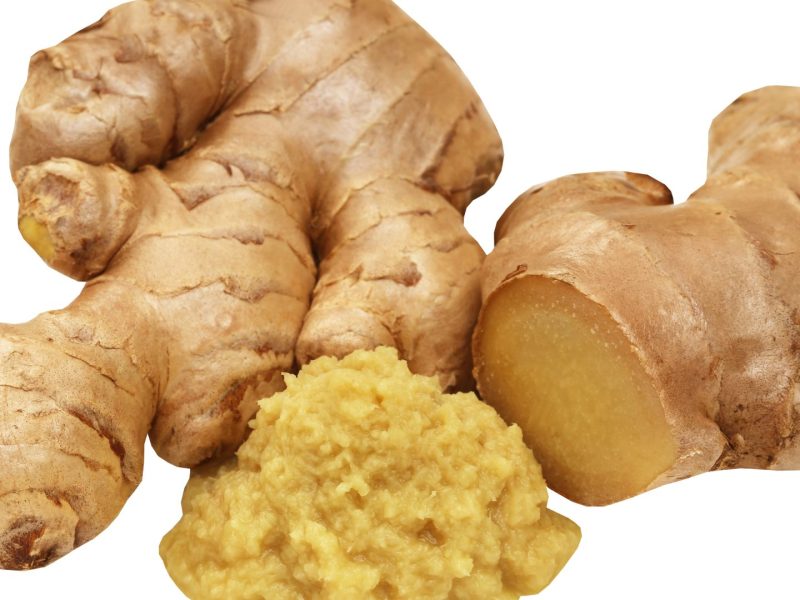
- Ginger Root: May promote digestive comfort.
Incorporating a digestive enzyme supplement like this may support your body’s natural ability to process food, complementing a healthy diet and lifestyle. It is important to remember that such products are designed to support wellness, not to treat or cure any condition. Always view supplements as part of a broader approach to maintaining your health.
Frequently Asked Questions
What is the gut microbiome?
The gut microbiome is the vast community of trillions of microorganisms living in the digestive tract, including bacteria, fungi, and viruses. This ecosystem plays a critical role in digestion, immune function, mental health, and overall wellness. A diverse and balanced microbiome is associated with better health outcomes across many body systems.
What causes gut microbiome imbalance?
Factors that may disrupt the gut microbiome include prolonged antibiotic use, a diet low in fiber and high in processed foods, chronic stress, poor sleep, and environmental toxin exposure. Even a single course of antibiotics can significantly alter microbial diversity for months. Rebuilding the microbiome after disruption takes intentional effort.
What foods support a healthy gut microbiome?
Fermented foods like yogurt, kefir, sauerkraut, and kimchi are rich in beneficial bacteria. Prebiotic foods such as garlic, onions, asparagus, and bananas provide fuel for healthy gut bacteria. A diet diverse in plant foods with plenty of fiber is among the most well-supported strategies for microbiome health.
Can digestive enzyme supplements help gut health?
Digestive enzymes may support the breakdown of food and nutrient absorption, which can be helpful when digestive function is compromised. They work differently from probiotics but can complement overall digestive wellness strategies. Those with specific digestive concerns should discuss enzyme supplementation with their healthcare provider.
How long does it take to improve gut microbiome health?
Research suggests that dietary changes can begin affecting microbiome composition within a few days, though meaningful improvements typically unfold over weeks to months. Consistency is key. Combining dietary changes, stress management, and quality sleep creates the most supportive environment for microbiome recovery.
Conclusion
The projection of a gut microbiome collapse by 2026 is not a prophecy set in stone. It is a warning. It is a call to action based on the trajectory of our current collective habits. The myriad of symptoms, from digestive distress and fatigue to mood disorders and autoimmune flares, are all signals from a body struggling with a foundational imbalance. The modern world presents many challenges to our internal ecosystem, but it does not have the final say. We possess a remarkable ability to influence our health from the inside out through our daily choices.
The path to rebuilding a resilient microbiome is not about perfection. It is about intention and consistency. It begins with nourishing your body with a diverse, fiber-rich diet, managing the relentless pressures of stress, prioritizing sleep, and moving your body with joy. These are not radical interventions. They are the fundamental principles of human health that we have drifted away from. By taking these proactive steps today, you are not just addressing symptoms. You are investing in the long-term resilience of your entire system, fortifying your body against the health challenges of tomorrow. Your journey to a healthier gut, and a healthier you, can start with your very next meal.
Conclusion
The projection of a gut microbiome collapse by 2026 is a serious warning, highlighting the cumulative impact of our modern lifestyles on our internal health. The wide range of symptoms, from digestive upset to persistent fatigue and mood fluctuations, are signals