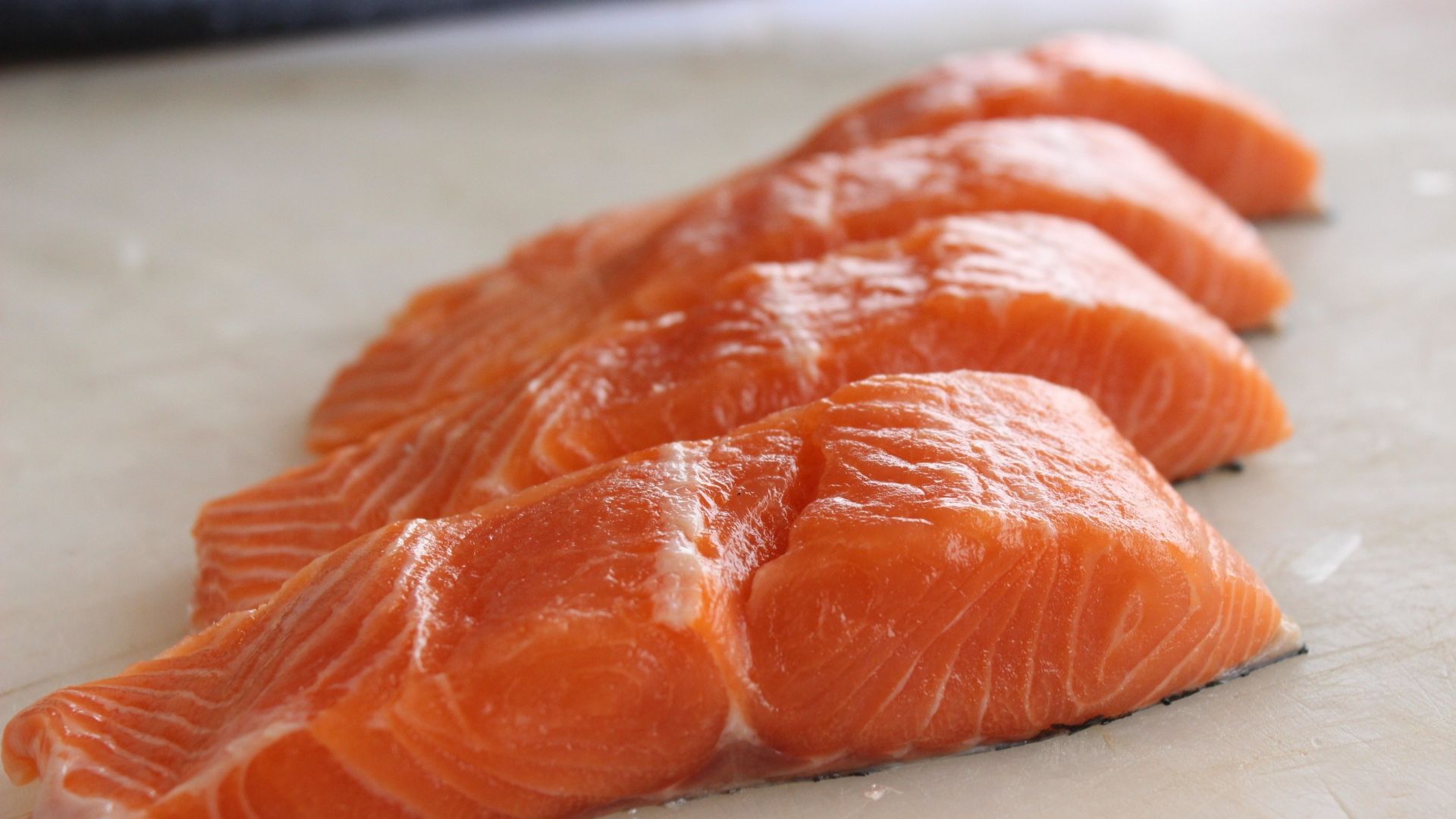
As a doctor specializing in heart health, one of the most common questions I receive is whether eating fatty fish is beneficial for cardiovascular well-being. The short answer? Absolutely! Fatty fish is one of the best foods you can incorporate into your diet to support heart health. Let’s dive into why.
What Makes Fatty Fish So Good for the Heart?
Fatty fish, such as salmon, mackerel, sardines, and trout, are packed with omega-3 fatty acids. These essential fats are known for their ability to reduce inflammation, lower bad cholesterol (LDL), and increase good cholesterol (HDL). They also help prevent plaque buildup in the arteries, reducing the risk of heart disease, stroke, and hypertension.
The Heart-Healthy Benefits of Omega-3 Fatty Acids
Omega-3 fatty acids, particularly EPA (eicosapentaenoic acid) and DHA (docosahexaenoic acid), play a crucial role in maintaining cardiovascular health. Here’s how they work:
- Lower Blood Pressure – Studies have shown that consuming omega-3-rich foods can help reduce blood pressure levels, making it an excellent dietary addition for individuals with hypertension.
- Reduce Triglycerides – High triglyceride levels are a major risk factor for heart disease. Eating fatty fish at least twice a week can significantly lower triglyceride levels in the blood.
- Prevent Arrhythmias – Irregular heartbeats, or arrhythmias, can increase the risk of sudden cardiac arrest. Omega-3s help regulate the heart’s electrical activity, reducing this risk.
- Improve Arterial Function – Omega-3s enhance the flexibility of blood vessels, promoting better circulation and reducing the likelihood of blood clots.
- Decrease Inflammation – Chronic inflammation is linked to heart disease. Omega-3s have powerful anti-inflammatory properties that help protect the arteries from damage.
How Much Fatty Fish Should You Eat?
The American Heart Association recommends eating at least two servings of fatty fish per week. One serving is approximately 3.5 ounces of cooked fish or a palm-sized portion. Regular consumption of fatty fish can lower the risk of cardiovascular disease by up to 30%.
Are There Any Risks to Eating Fatty Fish?
While fatty fish is incredibly beneficial, there are a few considerations to keep in mind:
- Mercury Content – Some large fish, such as swordfish and king mackerel, contain high levels of mercury, which can be harmful if consumed in excess. Stick to low-mercury options like salmon, sardines, and trout.
- Sustainability – Choose wild-caught or sustainably farmed fish to ensure environmental responsibility and minimize exposure to contaminants.
- Preparation Matters – Avoid deep-fried fish, as excessive unhealthy fats can counteract the heart benefits. Opt for grilling, baking, or steaming instead.
Can You Get Omega-3s from Other Sources?
If you’re not a fan of fish, don’t worry! Other sources of omega-3s include:
- Flaxseeds and chia seeds
- Walnuts and almonds
- Avocados
- Omega-3 fortified eggs
- Fish oil supplements (although whole food sources are preferable)
Final Thoughts
Eating fatty fish is one of the best dietary habits you can adopt for a healthy heart. With its rich supply of omega-3 fatty acids, it supports cardiovascular function, reduces inflammation, and lowers the risk of heart disease. Just remember to eat it in moderation, choose the right types of fish, and prepare it healthily.
So, the next time you’re planning your meals, consider adding some heart-healthy fatty fish to your plate. Your heart will thank you!
Have any questions about fatty fish and heart health? Feel free to ask in the comments below!