As a doctor, I often stress the importance of oxygen for overall health. Oxygen fuels every cell in your body, ensuring that vital organs function properly. When oxygen levels drop too low, even for short periods, the effects can be serious. But what happens when someone continuously experiences low oxygen levels (a condition known as hypoxia)? The risks can be severe, affecting multiple systems in your body. Let’s dive into what happens when your body doesn’t get enough oxygen and why it’s essential to address the issue promptly.
What Causes Low Oxygen Levels?
Chronic low oxygen levels can result from various conditions, including:
- Chronic Obstructive Pulmonary Disease (COPD) – A progressive lung disease that reduces airflow.
- Sleep Apnea – Interrupted breathing during sleep leads to periodic oxygen deprivation.
- Heart Disease – Poor circulation may prevent adequate oxygen from reaching tissues.
- High Altitudes – Oxygen levels in the air decrease at higher elevations.
- Anemia – A lack of healthy red blood cells to carry oxygen efficiently.
- Lung Infections – Pneumonia and COVID-19 can compromise lung function.
Support Your Lungs at the Cellular Level
Boost your respiratory health with Master NAC Plus – a premium N‑acetyl cysteine blend that helps break down mucus, supports lung function, and enhances antioxidant protection. Ideal for those managing conditions like COPD, sleep apnea, or chronic respiratory stress.
Symptoms of Low Oxygen Levels
Your body gives warning signs when it isn’t receiving enough oxygen. Common symptoms include:
- Shortness of breath
- Chronic fatigue and weakness
- Confusion or difficulty concentrating
- Rapid heartbeat
- Cyanosis (bluish tint on lips or fingernails)
- Frequent headaches
If you or someone you know experiences these symptoms regularly, it’s crucial to seek medical advice.
Risks of Long-Term Low Oxygen Levels
1. Brain Damage and Cognitive Decline
Your brain is highly sensitive to oxygen deprivation. Over time, chronic hypoxia can lead to memory loss, difficulty concentrating, and even permanent cognitive decline. Studies have linked low oxygen levels to an increased risk of dementia and other neurodegenerative diseases.
2. Heart Problems
When oxygen levels are low, the heart works harder to compensate. This extra strain can lead to high blood pressure, heart failure, or arrhythmias (irregular heartbeats). Prolonged low oxygen can also contribute to the development of pulmonary hypertension, a dangerous condition affecting lung arteries.
3. Weak Immune System
Oxygen is essential for immune function. When levels are low, your body struggles to fight off infections. People with chronic hypoxia are more susceptible to illnesses and take longer to recover from infections.
4. Organ Failure
Vital organs, such as the liver and kidneys, require oxygen to filter waste and maintain balance in the body. Continuous oxygen deprivation can cause organ dysfunction and, in extreme cases, failure.
5. Reduced Physical Stamina
Athletes and active individuals depend on oxygen for endurance. Chronic hypoxia can lead to muscle weakness, making it harder to perform daily activities and exercise.
How to Improve Oxygen Levels
If you’re struggling with low oxygen levels, here are some strategies to improve oxygen intake:
- Practice deep breathing exercises – Techniques like diaphragmatic breathing help maximize oxygen intake.
- Stay active – Regular exercise improves lung and heart function, increasing oxygen delivery.
- Quit smoking – Smoking damages lung tissues and reduces oxygen absorption.
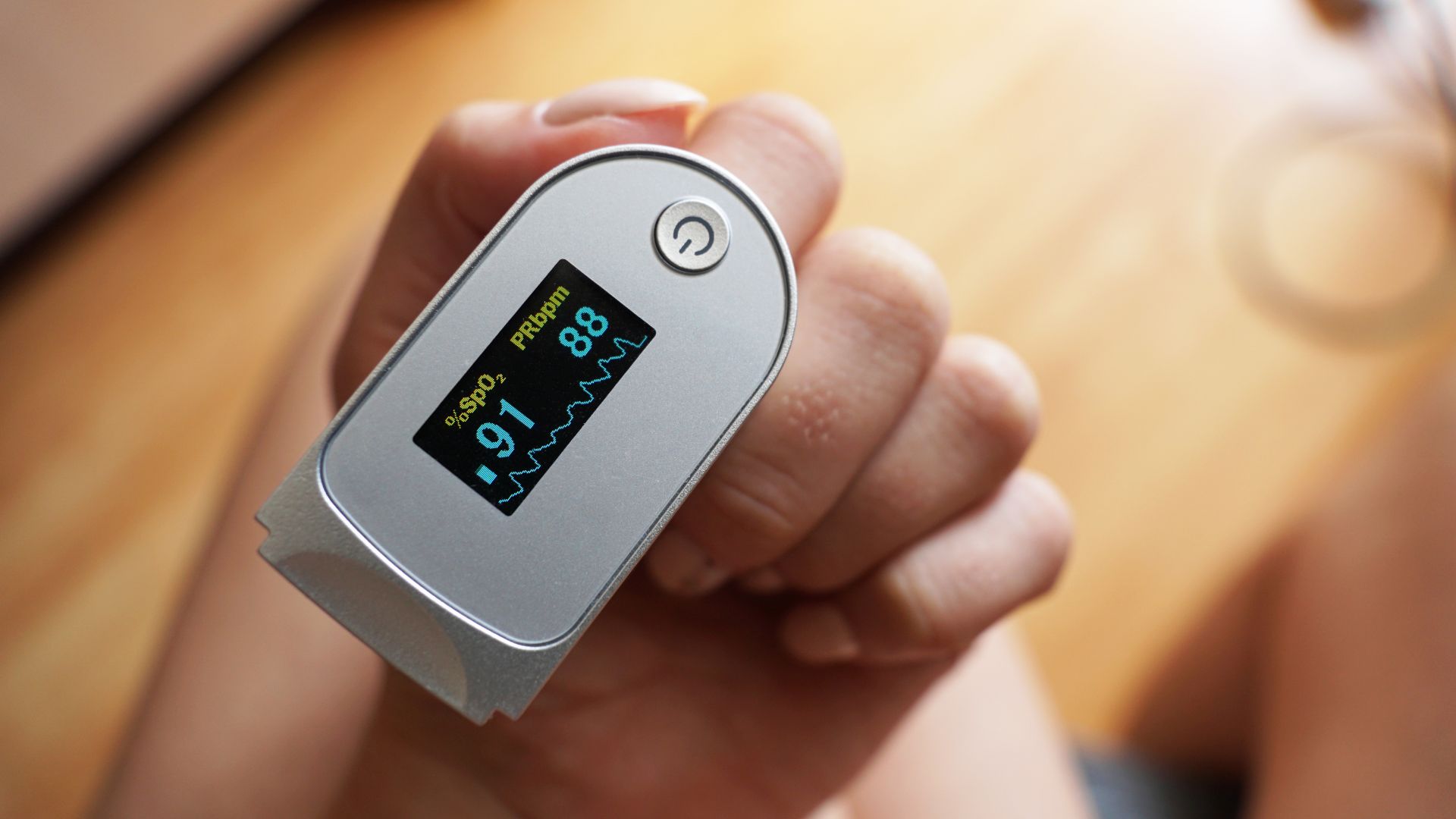
- Monitor oxygen levels – Using a pulse oximeter at home can help you track your oxygen saturation.
- Seek medical treatment – If you have an underlying condition, work with your doctor to manage it effectively.
Final Thoughts
Continuous low oxygen levels should never be ignored. They can silently impact your brain, heart, immune system, and overall well-being. Whether due to a medical condition or environmental factors, addressing oxygen deprivation early can prevent long-term health complications. If you suspect you’re not getting enough oxygen, talk to your doctor to explore potential causes and solutions.
experiences these symptoms, it’s crucial to seek medical attention promptly. Ignoring these warning signs can lead to serious, long-term health complications.
The Systemic Impact of Chronic Hypoxia
When your body is continuously deprived of adequate oxygen, it struggles to maintain normal function, leading to a cascade of negative effects across multiple organ systems. The brain, being highly sensitive to oxygen levels, is often one of the first organs to show signs of distress. Chronic hypoxia can impair cognitive function, leading to memory problems, difficulty concentrating, and even changes in mood or personality. Over time, this can contribute to neurodegenerative conditions.
The cardiovascular system also bears a significant burden. The heart works harder to pump oxygen-poor blood throughout the body, leading to increased heart rate and blood pressure. This sustained strain can weaken the heart muscle, potentially leading to arrhythmias, heart failure, or an increased risk of heart attack. The lungs, already compromised by the underlying condition causing hypoxia, may suffer further damage, and the body can develop pulmonary hypertension, a serious condition where blood pressure in the arteries leading to the lungs becomes dangerously high. Other organs like the kidneys and liver may also experience impaired function, as their cells cannot perform metabolic processes efficiently without sufficient oxygen. Muscle weakness and reduced endurance are common, impacting daily activities and overall quality of life.
Long-Term Complications and When to Seek Help
If chronic low oxygen levels are left unaddressed, the long-term complications can be severe and life-threatening. Beyond the immediate impact on organ function, prolonged hypoxia significantly increases the risk of major cardiovascular events such as stroke and heart attack. It can lead to permanent organ damage, particularly to the brain and heart, resulting in irreversible cognitive decline or chronic heart conditions. The body’s immune system may also be weakened, making individuals more susceptible to infections and slowing down recovery times. The overall quality of life diminishes considerably, with persistent fatigue, breathlessness, and a reduced ability to engage in physical or social activities, often leading to disability.
Recognizing the signs of chronic hypoxia and seeking timely medical intervention is paramount. If you experience persistent symptoms like severe shortness of breath, unexplained fatigue, confusion, or bluish discoloration of the skin, do not delay in consulting a doctor. Diagnosis typically involves tests such as pulse oximetry to measure blood oxygen saturation, arterial blood gas analysis for a more precise reading, and sometimes sleep studies or lung function tests
Author