As a doctor, one of the most important parts of my job is helping people understand how vaccines protect us from serious, and sometimes life-threatening, infections. One vaccine that doesn’t get talked about enough is the meningococcal vaccine. If you’ve ever wondered, “What is the meningococcal vaccine, and do I really need it?” — you’re in the right place.
What is the Meningococcal Vaccine?
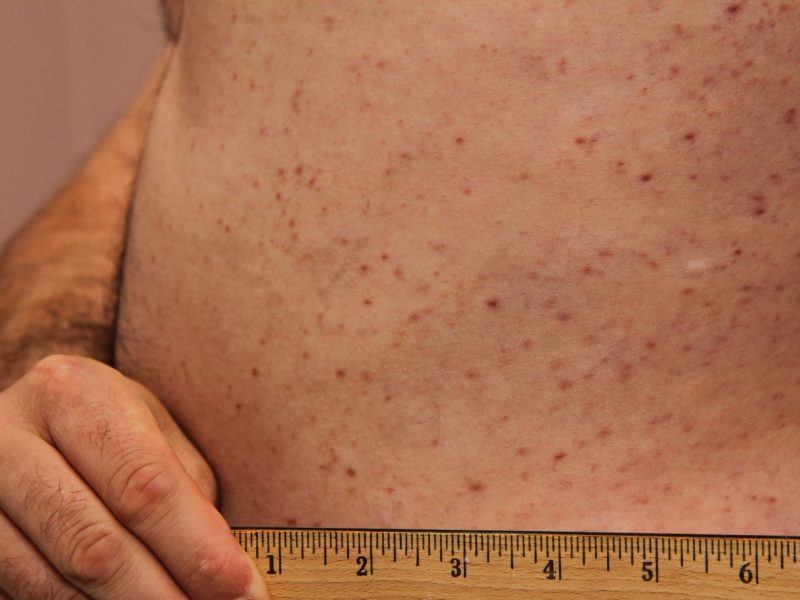
The meningococcal vaccine protects against Neisseria meningitidis, the bacteria responsible for meningococcal disease. This includes meningitis (inflammation of the brain and spinal cord membranes) and septicemia (a dangerous blood infection). These infections can progress quickly and may cause serious complications or even death within hours.
There are two main types of meningococcal vaccines: ✔️ MenACWY – Protects against four types (A, C, W, and Y) of meningococcal bacteria. It’s typically given to preteens, teens, and certain high-risk adults. ✔️ MenB – Targets the B strain of the bacteria and is often recommended for older teens and young adults, especially those in communal living environments like college dorms.
Why is the Meningococcal Vaccine Important?
Meningococcal disease, while rare, is extremely serious. It can lead to:
- Brain damage
- Hearing loss
- Kidney failure
- Limb amputations
- Death
Because the disease spreads through respiratory droplets and close contact, it can rapidly affect people living in close quarters. That’s why the meningococcal vaccine is strongly recommended for college students, military recruits, and travelers going to regions where the disease is common.
Who Should Get the Meningococcal Vaccine?
According to CDC guidelines, the vaccine is recommended for: ✔️ Preteens and teens (ages 11–12) with a booster at age 16 ✔️ First-year college students living in dorms who haven’t been vaccinated ✔️ Military personnel ✔️ People with certain medical conditions, such as a damaged or removed spleen ✔️ Travelers to areas with high rates of meningococcal disease (e.g., parts of Africa)
Some adults may also need the vaccine depending on their health status and lifestyle.
What Are the Side Effects of the Meningococcal Vaccine?
Most people experience mild side effects, such as:
- Soreness or redness at the injection site
- Low-grade fever
- Fatigue or mild headache
Serious side effects are rare, and the benefits of protection far outweigh the risks. Always talk to your healthcare provider if you have any concerns about vaccine safety.
How Long Does the Protection Last?
The duration of protection varies by vaccine type. For MenACWY, protection generally lasts for about 5 years, which is why a booster is recommended at age 16. MenB offers shorter-term protection, so timing is important, especially before entering high-risk settings.
Final Thoughts
The meningococcal vaccine is a crucial tool in preventing devastating diseases that can affect the brain and bloodstream. If you or your child falls into a recommended group, don’t delay getting vaccinated. It’s a small step that offers big protection.
Have questions or want to share your experience with the meningococcal vaccine? Let’s talk in the comments below!
Frequently Asked Questions
What is the meningococcal vaccine and what does it protect against?
The meningococcal vaccine helps protect individuals from serious infections caused by Neisseria meningitidis bacteria. These bacteria can lead to severe illnesses such as meningitis, an inflammation of the brain and spinal cord lining, and bloodstream infections. Vaccination is a key preventive measure against these potentially life threatening conditions.
Who is recommended to receive the meningococcal vaccine?
The meningococcal vaccine is routinely recommended for adolescents and preteens, typically at ages 11 to 12 years with a booster dose at age 16. It is also advised for certain at risk groups, including college students living in dorms, military recruits, and individuals with specific medical conditions. Your doctor can provide personalized guidance based on your health profile.
Are there different types of meningococcal vaccines available?
Yes, there are different types of meningococcal
Who Should Get Vaccinated and When?
The meningococcal vaccine schedule is tailored to provide protection at key stages of life. The MenACWY vaccine is routinely recommended for preteens at 11 or 12 years of age, with a booster dose at 16. This booster is crucial because protection from the initial dose can wane over time, and teens are at increased risk. For the MenB vaccine, it is typically recommended for adolescents and young adults aged 16 through 23 years, especially those at increased risk, such as college students living in dorms or individuals with certain medical conditions.
Beyond these routine recommendations, specific groups should also consider vaccination. This includes individuals with certain medical conditions like asplenia (a damaged or missing spleen) or HIV, travelers to regions where meningococcal disease is common, and microbiologists who routinely work with Neisseria meningitidis. If you fall into any of these categories or have concerns about your risk, discussing vaccination with your doctor is an important step to ensure comprehensive protection.
Is the Meningococcal Vaccine Safe?
Like all vaccines, the meningococcal vaccine has been rigorously tested for safety and effectiveness. The vast majority of people who receive the vaccine experience no serious side effects. Common side effects are generally mild and temporary, similar to those experienced with other routine vaccinations. These can include soreness, redness, or swelling at the injection site, a low-grade fever, or a headache.
Serious allergic reactions are extremely rare but can occur with any vaccine. Healthcare providers are trained to handle such reactions immediately. The benefits of preventing a potentially life-threatening disease like meningococcal infection far outweigh the minimal risks associated with vaccination. By choosing to vaccinate, you are not only protecting yourself but also contributing to community immunity, making it harder for the bacteria to spread.
A Supplement Worth Discussing With Your Doctor
One product worth exploring is Master Elderberry with Vitamin C from Master Nutritional. This supplement supports immune defense, helps the body respond to seasonal challenges, and promotes respiratory wellness.
- Formulated with high-quality, science-backed ingredients
- Designed for long-term wellness support
- Available at masternutritional.com
These statements have not been evaluated by the FDA. Not intended to diagnose, treat, cure, or prevent any disease. Always consult your physician.