Let me share a story that changed my perspective on pneumonia forever. As a medical researcher, I’d studied countless cases, but watching my vibrant 45-year-old colleague transform from perfectly healthy to fighting for his life in the ICU within just 72 hours drove home a crucial truth: pneumonia isn’t just another respiratory infection – it’s a silent predator that demands our utmost respect and attention.
Breaking Down the Hidden Dangers
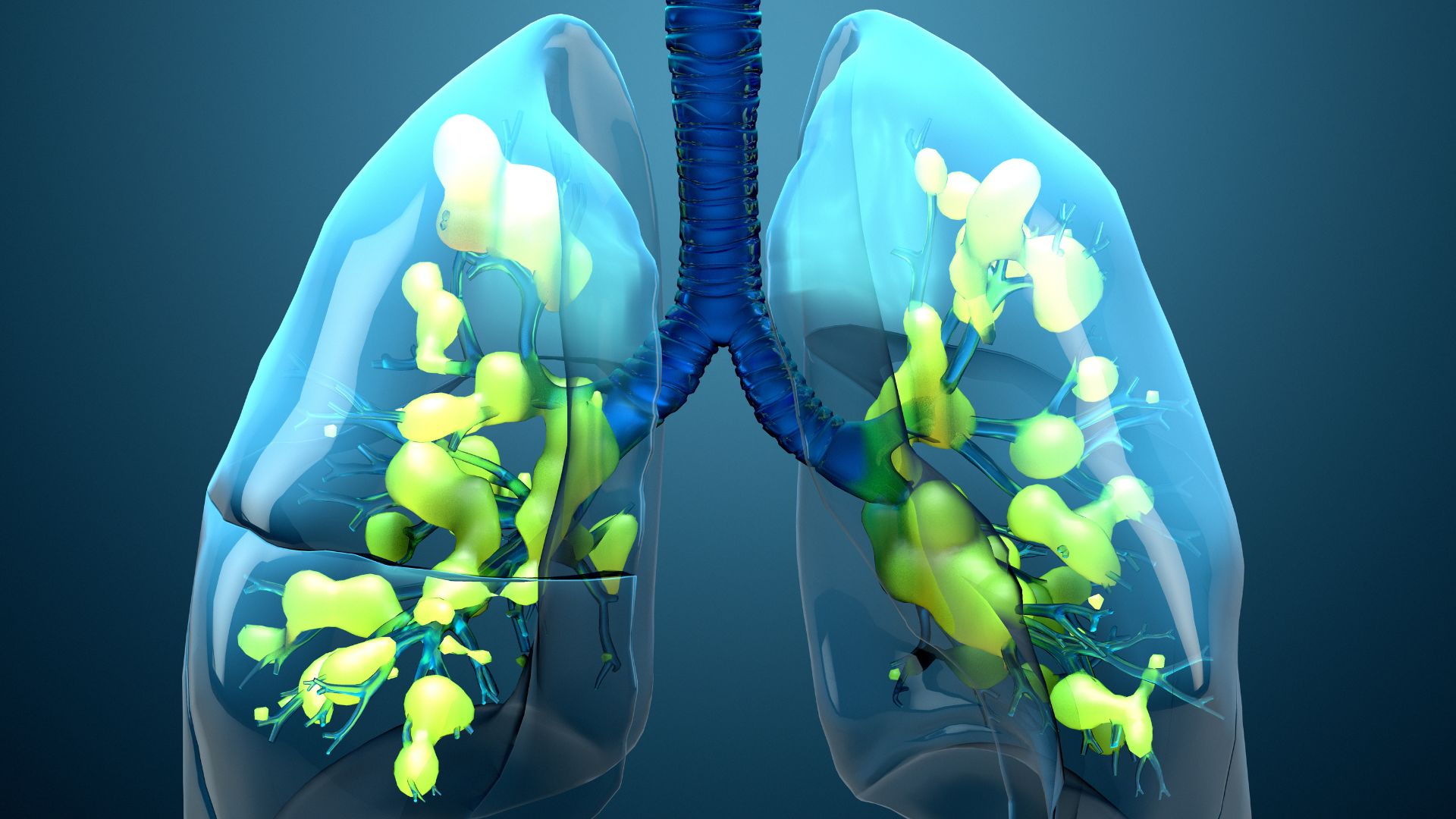
Think of your lungs as a vast metropolis of tiny air-filled neighborhoods (alveoli). Now imagine these neighborhoods slowly flooding with fluid, essentially drowning from the inside out. That’s pneumonia in action. While this might sound dramatic, it’s precisely what makes this condition so deceptively dangerous. The infection can escalate from manageable to life-threatening before many people even realize they need medical attention.
The Numbers That Should Wake Us Up
Recent global health data tells a sobering story about pneumonia’s impact:
- Every hour, approximately 300 people worldwide lose their battle with pneumonia
- One in six people who develop severe pneumonia don’t survive, even with modern medical care
- The yearly death toll rivals that of many high-profile diseases combined
But these aren’t just statistics – they’re wake-up calls that highlight why understanding this disease could save your life or the life of someone you love.
Who’s Walking the Tightrope?
Imagine your immune system as a personal army. Some people’s armies are naturally smaller or less equipped, making them particularly vulnerable to pneumonia’s assault:
The Wisdom Warriors (65+ Age Group)
Our seniors face a unique challenge: their immune “army” has fought many battles but has grown weaker over time. It’s like trying to defend a castle with experienced but exhausted soldiers. This explains why:
- 85% of pneumonia deaths occur in people over 65
- Recovery time typically doubles or triples compared to younger adults
- Even mild cases can trigger a cascade of other health complications
Our Youngest Defenders (Children Under 5)
Picture an army still in training – that’s a child’s developing immune system. Their defenses aren’t fully formed, making them especially vulnerable:
- A child dies from pneumonia every 39 seconds in developing countries
- Even in developed nations, it’s a leading cause of emergency room visits
- Recovery patterns vary dramatically compared to adults
The Already Battling (Those with Chronic Conditions)
For people managing conditions like diabetes, COPD, or heart disease, it’s like fighting a war on multiple fronts. Their immune system is already occupied, making it harder to mount an effective defense against pneumonia.
The Deadly Dance: How Pneumonia Progresses
Let’s break down pneumonia’s attack strategy in a way you’ve probably never heard before. Imagine your lungs as a sophisticated underwater breathing apparatus:
Phase 1: The Initial Breach
The infection begins like a small leak in your gear. You might notice:
- A persistent cough that feels different from your usual cold
- Fatigue that seems disproportionate to your activity level
- Mild fever that comes and goes
Phase 2: The Flooding Stage
As the infection progresses, it’s like your breathing apparatus is taking on water:
- Breathing becomes noticeably harder
- Chest pain develops, especially when breathing deeply
- Fever intensifies, often spiking above 102°F
Phase 3: The Critical Point
This is where the metaphorical breathing apparatus begins to fail:
- Oxygen levels drop significantly
- Mental confusion may set in
- Skin might take on a bluish tint (cyanosis)
Modern Defense Strategies: Prevention and Protection
We’ve developed sophisticated weapons against pneumonia, but they’re only effective if we use them properly:
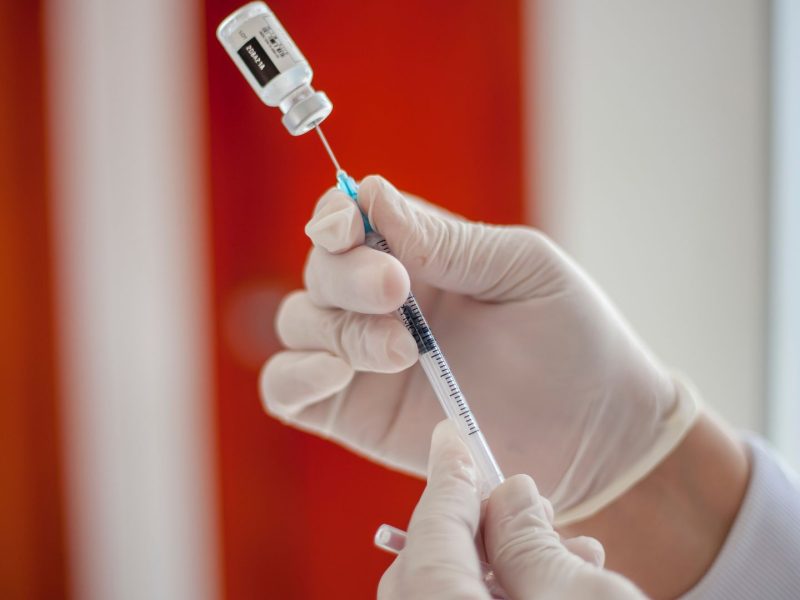
The Shield (Vaccination)
Modern vaccines are like giving your immune army advanced training and better weapons:
- Pneumococcal vaccines reduce infection risk by up to 75%
- New conjugate vaccines protect against multiple strains simultaneously
- Annual flu shots provide crucial additional protection
The Early Warning System
Learning to recognize these distinct warning signs can be life-saving:
- A cough that produces thick, colored mucus
- Shortness of breath during normal activities
- Chest pain that worsens when breathing or coughing
- Sudden changes in mental awareness
- Fever accompanied by shaking chills
The Recovery Journey: What to Really Expect
Recovery isn’t just about surviving – it’s about rebuilding:
The First Days (Days 1-7)
- Antibiotics begin their work, but you might feel worse before feeling better
- Breathing exercises become crucial for lung recovery
- Rest is non-negotiable
The Turning Point (Weeks 2-4)
- Energy levels slowly improve
- Breathing becomes progressively easier
- Normal activities gradually resume
The Full Recovery (1-6 Months)
- Exercise tolerance rebuilds
- Immune system strengthens
- Long-term prevention strategies become routine
The Path Forward: Emerging Treatments and Hope
Medical science continues to evolve in its fight against pneumonia:
- AI-powered diagnostic tools can now predict severity with unprecedented accuracy
- Personalized treatment protocols based on genetic factors are being developed
- New antibiotics specifically targeting resistant strains are in development
Your Action Plan
Think of this knowledge as your emergency preparedness kit. Here’s what you need to remember:
- Never ignore persistent respiratory symptoms, especially if you’re in a high-risk group
- Keep your vaccinations current – they’re your first line of defense
- Maintain a strong immune system through good health practices
- Know your local emergency care options before you need them
Remember, pneumonia’s deadliness often lies not in its initial attack, but in our delay in recognizing and responding to it. Stay informed, stay vigilant, and most importantly, stay alive.
s fought many battles but has also accumulated some wear and tear. Their immune response can be slower and less robust, making them more susceptible to severe infections. Furthermore, many seniors live with chronic conditions like heart disease, diabetes, or COPD, which further compromise their body’s ability to fight off pneumonia. This combination of factors places them at a significantly higher risk for hospitalization and fatal outcomes.
The Little Fighters (Infants and Young Children) On the other end of the age spectrum, infants and young children, especially those under two, have immune systems that are still developing. Their bodies haven’t yet built up a strong defense against many common pathogens. Pneumonia is a leading cause of death in children worldwide, particularly in low-income countries, but it remains a serious threat everywhere. Their smaller airways can become blocked more easily, and their rapid breathing can quickly lead to respiratory distress.
The Chronic Condition Crew (Underlying Health Issues) If you live with a chronic health condition, your immune system might already be working overtime or be inherently weaker. Conditions such as asthma, chronic obstructive pulmonary disease (COPD), cystic fibrosis, heart disease, kidney disease, and diabetes all increase your vulnerability to pneumonia. These conditions can damage lung tissue, impair immune function, or make it harder for your body to clear infections. Similarly, individuals who smoke or are exposed to secondhand smoke regularly have compromised lung defenses, making them prime targets for pneumonia.
The Immunocompromised Individuals (Weakened Defenses) For those whose immune systems are severely compromised — due to HIV/AIDS, cancer treatment (chemotherapy, radiation), organ transplantation, or long-term use of immunosuppressant drugs — pneumonia can be particularly devastating. Their body’s “army” is significantly depleted, leaving them with little defense against even common bacteria and viruses that might cause mild illness in others. For these individuals, pneumonia can progress rapidly and often requires intensive medical intervention. It’s crucial for everyone, especially those in these high-risk groups, to understand the signs and symptoms and to take proactive steps to protect themselves.
Taking Action: Prevention and Early Detection Are Your Best Defense
Understanding who is most vulnerable is the first step; the next is empowering ourselves with knowledge and action. While pneumonia can strike anyone, there are significant measures you can take to reduce your risk and improve your chances of a full recovery if you do get sick. Vaccination is one of the most powerful tools in our arsenal. The pneumococcal vaccine protects against common bacterial causes of pneumonia, and the annual flu shot is crucial because influenza often precedes or complicates bacterial pneumonia, making it more severe. Discuss with your doctor which vaccines are right for you and your family, especially if you fall into one of the high-risk categories.
Beyond vaccinations, good hygiene practices play a vital role. Regular and
Recommended Supplement
Master Multivitamin from Master Nutritional is designed to support comprehensive daily nutritional support. This physician-formulated supplement may help complement the healthy habits discussed in this article and contribute to your overall wellness goals.