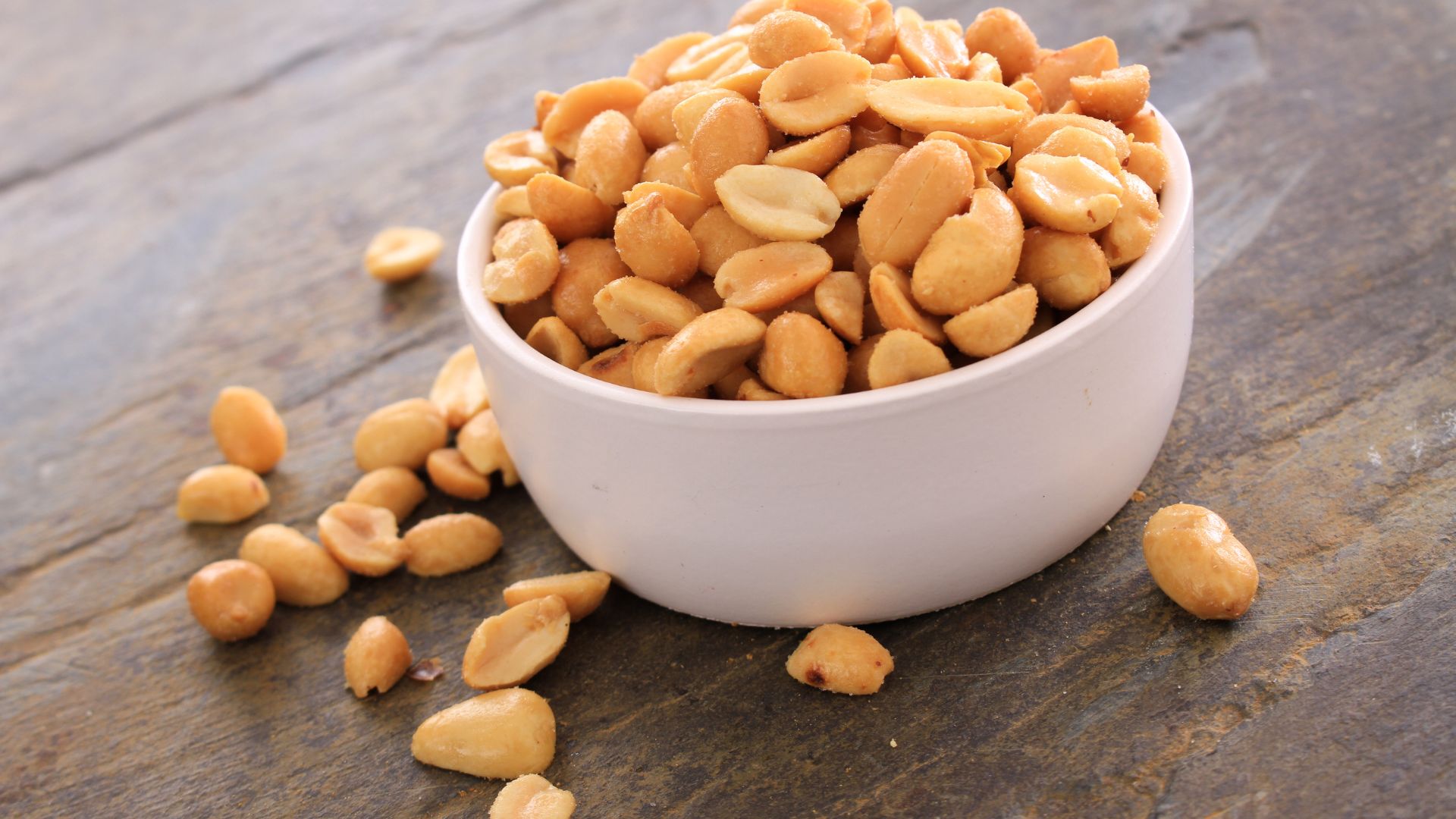
As a doctor specializing in nutrition and wellness, I often get asked whether peanuts qualify as a superfood. The term “superfood” is frequently thrown around in the health industry, often associated with exotic and expensive foods like acai berries and quinoa. But what about the humble peanut? Despite its simple appearance, peanuts pack an impressive nutritional punch. So, let’s dive into the science and see if peanuts deserve the superfood title.
What Makes a Food a Superfood?
Superfoods are nutrient-dense foods that provide significant health benefits. They are typically rich in antioxidants, vitamins, minerals, and healthy fats. Superfoods help reduce inflammation, boost energy, and support overall well-being. While peanuts may not always be included in the traditional superfood lists, they certainly meet many of these criteria.
The Nutritional Power of Peanuts
Peanuts are often overlooked in favor of almonds and walnuts, but they are packed with nutrients that promote good health. Here’s why peanuts deserve more recognition:
- Rich in Protein: Peanuts are an excellent plant-based protein source, making them ideal for vegetarians and vegans. A single serving (about 28 grams) provides around 7 grams of protein, helping with muscle repair and growth.
- Healthy Fats: Despite being high in fat, peanuts contain predominantly heart-healthy monounsaturated and polyunsaturated fats, which help lower bad cholesterol (LDL) and support cardiovascular health.
- Packed with Fiber: Peanuts are a great source of dietary fiber, which promotes digestion, prevents constipation, and supports gut health.
- Loaded with Antioxidants: Peanuts contain resveratrol, the same powerful antioxidant found in red wine, which helps combat oxidative stress and reduce the risk of chronic diseases.
- Rich in Essential Vitamins and Minerals: Peanuts are an excellent source of vitamin E, magnesium, folate, and niacin—all of which play vital roles in maintaining brain function, heart health, and immunity.
Health Benefits of Peanuts
Peanuts offer a wide range of health benefits, including:
- Heart Health: The monounsaturated fats and antioxidants in peanuts help lower the risk of heart disease by reducing bad cholesterol and inflammation.
- Weight Management: Peanuts have a high satiety factor, meaning they keep you full for longer and reduce unnecessary snacking.
- Diabetes Management: The combination of protein, fiber, and healthy fats in peanuts helps regulate blood sugar levels, making them a great snack option for diabetics.
- Brain Health: Peanuts contain niacin and vitamin E, which support cognitive function and may reduce the risk of neurodegenerative diseases like Alzheimer’s.
Are Peanuts Right for Everyone?
While peanuts offer numerous health benefits, they may not be suitable for everyone. Some individuals have peanut allergies, which can be severe. Additionally, it’s best to consume peanuts in moderation, as excessive intake may lead to unwanted weight gain due to their calorie density.
Final Verdict: Are Peanuts a Superfood?
Based on their impressive nutritional profile, I believe peanuts can absolutely be considered a superfood. They are affordable, widely available, and packed with essential nutrients that support overall health. So, next time you’re looking for a healthy snack, don’t overlook peanuts—they might just be the superfood you’ve been searching for!
Have questions or personal experiences with peanuts? Share them in the comments below!