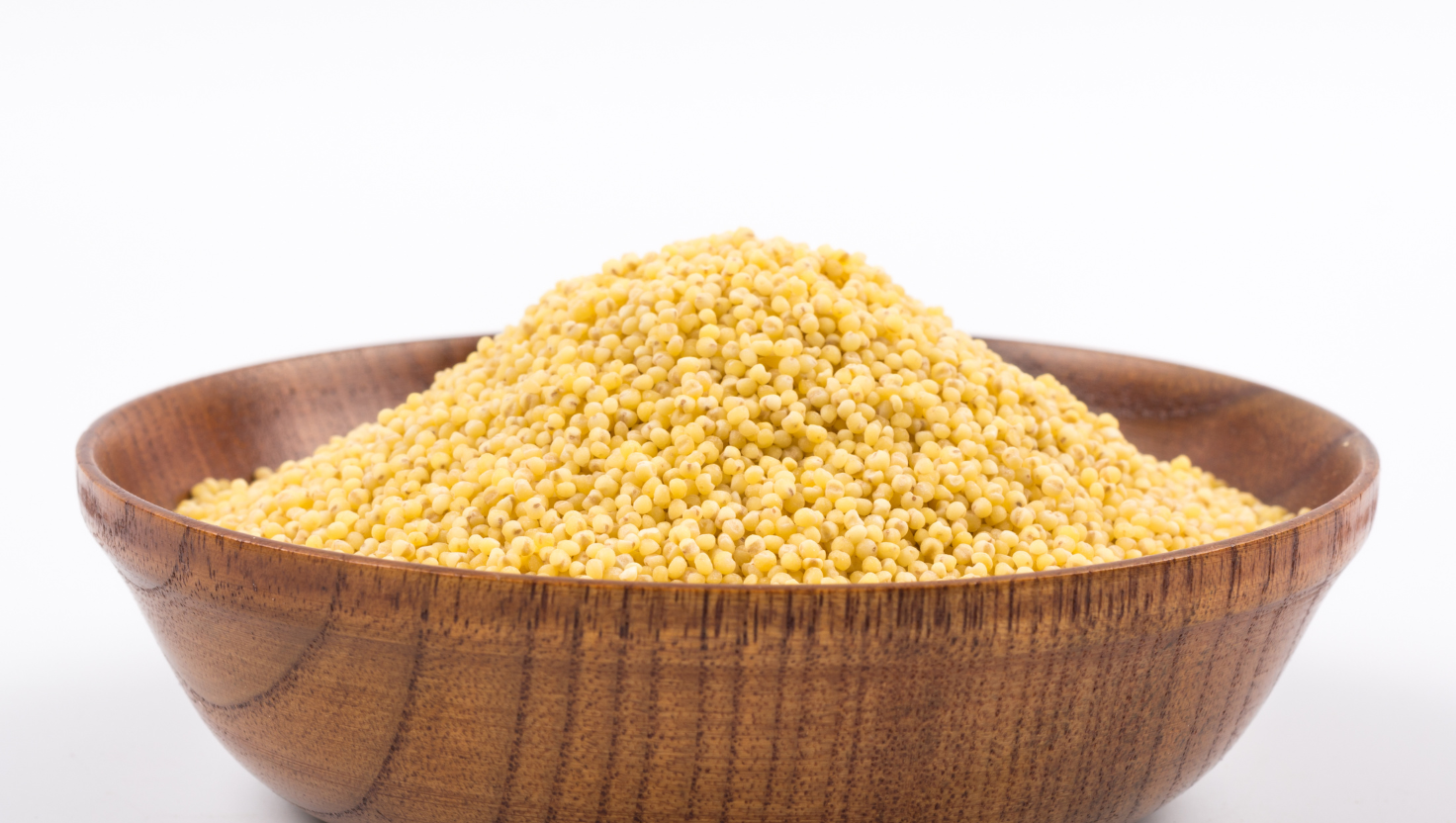
As a renowned doctor specializing in nutrition, I’ve long advocated for foods that deliver maximum health impact. One ancient, gluten-free grain I recommend is millet. In this post, I’ll explain the benefits of eating millet, its nutrition profile, and tips to add this whole grain to your diet.
What Is Millet?
Millet is an ancient cereal grain cultivated for thousands of years. Often called a “super grain,” millet is naturally gluten-free, ideal for people with celiac disease or gluten sensitivity. When you search “benefits of millet” or “health benefits of eating millet,” you’ll find this small seed offers big advantages. It belongs to the grass family Poaceae and comes in several varieties, including pearl, foxtail, proso, and finger millet. Each type has a slightly different nutritional makeup, but all share a core set of health-promoting properties. Its resilience as a crop and its impressive nutrient density have made it a staple food for millions of people across Africa and Asia for centuries, and it is now gaining well-deserved popularity worldwide.
A Closer Look at Millet’s Nutritional Profile
To truly understand the benefits of millet, it helps to look at its nutritional composition. It is a powerhouse of macronutrients and micronutrients essential for optimal body function. Below is a typical nutritional breakdown for one cup (approximately 174 grams) of cooked millet. Please note that values can vary slightly depending on the specific type of millet and cooking method.
| Nutrient | Amount per 1 Cup (Cooked) | Approximate % Daily Value (DV) |
|---|---|---|
| Calories | 207 | 10% |
| Protein | 6.1 g | 12% |
| Carbohydrates | 41.2 g | 15% |
| Dietary Fiber | 2.3 g | 8% |
| Fat | 1.7 g | 2% |
| Manganese | 0.3 mg | 13% |
| Magnesium | 76.6 mg | 19% |
| Phosphorus | 174 mg | 14% |
| Folate (B9) | 33.1 mcg | 8% |
| Niacin (B3) | 2.3 mg | 14% |
| Iron | 1.1 mg | 6% |
As you can see, millet is not just a source of carbohydrates. It is particularly rich in minerals like magnesium and phosphorus, which are crucial for hundreds of biochemical reactions in the body, from energy production to bone formation.
The Science-Backed Health Benefits of Millet
From my clinical perspective, the true value of a food lies in its ability to support the body’s systems. Millet excels in this regard, offering a wide range of benefits that contribute to long-term wellness.
Supports Digestive and Gut Health
One of the primary benefits of eating millet is its high fiber content. A cooked cup of millet provides about two grams of dietary fiber, supporting digestive health and regular bowel movements. Millet contains both soluble and insoluble fiber. Insoluble fiber adds bulk to stool, which helps prevent constipation. Soluble fiber dissolves in water to form a gel-like substance in your digestive tract. This not only promotes a feeling of fullness, which can aid in weight management, but it also acts as a prebiotic. Prebiotics are food for your beneficial gut bacteria, helping to foster a healthy and diverse gut microbiome, which is linked to improved immunity, mood, and overall health.
Promotes Healthy Blood Sugar Levels
For patients concerned about blood sugar control, millet is an excellent dietary choice. It is a complex carbohydrate with a low glycemic index (GI), meaning it is digested and absorbed slowly. This gradual process prevents the sharp spikes in blood sugar that can occur after eating refined grains or sugary foods. The fiber in millet further slows carbohydrate absorption. Furthermore, the high magnesium content in millet plays a vital role in supporting insulin sensitivity, which may help reduce the risk of developing type 2 diabetes.
Aids in Heart Health Management
Millet is a heart-friendly grain for several reasons. The soluble fiber can help lower LDL (bad) cholesterol levels by binding with cholesterol in the digestive system and removing it from the body. Additionally, millet is a fantastic source of magnesium, a mineral that is essential for maintaining a healthy heart rhythm and regulating blood pressure. Adequate magnesium intake is associated with a lower risk of hypertension and cardiovascular events. The niacin (vitamin B3) in millet can also contribute to healthy cholesterol profiles, further supporting overall heart health.
Provides Powerful Antioxidant Support
Millet is rich in antioxidants, including phenolic compounds like ferulic acid and catechins. These powerful plant compounds help combat oxidative stress caused by free radicals in the body. Oxidative stress is a key driver of chronic inflammation and is linked to the development of numerous chronic conditions, including heart disease, arthritis, and certain cancers. By including antioxidant-rich foods like millet in your diet, you provide your body with the tools it needs to protect cells from damage. In my clinical practice, I see that patients who consume a diet rich in whole grains like millet often have better health markers and improved weight management.
Excellent Source of Plant-Based Protein
Millet offers about six grams of plant-based protein per cooked cup, making it an excellent protein option for vegetarians, vegans, and anyone looking to reduce their meat consumption. While it is not a complete protein on its own, meaning it doesn’t contain all nine essential amino acids in sufficient amounts, it can be easily complemented. When combined with legumes like beans or lentils, or with nuts and seeds, millet forms a complete amino acid profile. This protein is essential for building and repairing tissues, supporting muscle maintenance, and ensuring overall metabolic health.
May Support Bone Strength
The health of our skeletal system depends on more than just calcium. Millet is a good source of phosphorus, a mineral that is a major structural component of bone. Phosphorus works in tandem with calcium to build strong bones and teeth. The magnesium found in millet is also critical for bone health, as it plays a role in regulating calcium and vitamin D levels, both of which are vital for bone density. A diet that includes phosphorus and magnesium-rich foods like millet can contribute to maintaining skeletal integrity as we age.
How to Incorporate Millet into Your Diet
Millet’s versatility makes it one of the most appealing whole grains. Its mildly nutty and slightly sweet flavor allows it to adapt to a wide variety of dishes, from savory to sweet. Here are some practical ways to add it to your meals.
How to Cook Perfect Millet
Cooking millet is as simple as cooking rice. The key is the ratio of grain to liquid, which determines the final texture.
- For a Fluffy, Grainy Texture (like rice): Use a ratio of 1 part millet to 2 parts water or broth. First, you can toast the dry millet in a pot for a few minutes until fragrant to enhance its nutty flavor. Then, add the liquid, bring to a boil, reduce the heat to a simmer, cover, and cook for about 15-20 minutes, or until the liquid is absorbed. Let it stand, covered, for 10 minutes before fluffing with a fork.
- For a Creamy, Porridge-like Texture: Use a ratio of 1 part millet to 3 or 4 parts liquid (like milk, almond milk, or water). Cook uncovered, stirring occasionally, for 25-30 minutes until it reaches a creamy consistency.
Simple Recipe Ideas
Millet can be seamlessly integrated into your daily meals. Here are a few ideas to get you started:
- Millet Porridge: Simmer millet with almond milk, cinnamon, and fresh berries for a warm, nutrient-dense breakfast. Top with a sprinkle of nuts or seeds for extra protein and healthy fats.
- Millet Salad: Mix cooked and cooled millet with roasted vegetables, chickpeas, fresh herbs like parsley and mint, olive oil, and a splash of lemon juice for a hearty and refreshing lunch.
- Rice Replacement: Use fluffy cooked millet as a base for curries, stir-fries, or stews instead of white or brown rice.
- Millet Burgers: Combine cooked millet with mashed beans, chopped onions, and spices to form patties. Pan-fry or bake for a delicious and satisfying plant-based burger.
- Millet-Stuffed Peppers: Mix cooked millet with sautéed vegetables, black beans, and tomato sauce. Stuff the mixture into bell peppers and bake until tender.
- Gluten-Free Baking: Use millet flour, either alone or mixed with other gluten-free flours, to make pancakes, muffins, flatbreads, or cookies.
Are There Any Downsides? A Note on Goitrogens
While millet is overwhelmingly beneficial for most people, it is important to have a complete picture. Millet contains goitrogens, which are natural compounds that can, in very high amounts, interfere with thyroid hormone production. However, for the vast majority of people, this is not a concern. The goitrogenic effect is most relevant for individuals with an existing iodine deficiency or an underactive thyroid condition. Furthermore, cooking significantly reduces the goitrogen content. As with any food, moderation is key. Consuming millet as part of a varied and balanced diet is perfectly safe and healthy for most individuals.
Conclusion
As we have explored, millet is far more than just a simple grain. It is a nutritional powerhouse packed with fiber, protein, essential minerals, and protective antioxidants. From supporting robust digestive health and promoting stable blood sugar levels to aiding in cardiovascular wellness and strengthening your body’s defense against oxidative stress, the benefits are comprehensive. Its natural gluten-free status and incredible versatility in the kitchen make it an accessible and valuable addition to almost any dietary pattern. As your physician, I encourage you to embrace this ancient grain not as a trend, but as a sustainable part of a health-conscious lifestyle. Start by swapping it for rice or pasta in one of your weekly meals. Taking small, consistent steps like incorporating millet into your diet is a powerful way to invest in your long-term health and vitality. Your body will thank you for making this simple, yet impactful, choice for better wellness.
A Natural Wellness Support Worth Knowing About
As a doctor, I frequently emphasize the foundational role of diet in overall health, and while foods
Frequently Asked Questions
What are the primary nutritional advantages of incorporating millet into one’s diet?
Millet is a nutrient-dense grain, offering a good source of fiber, protein, and essential minerals like magnesium, phosphorus, and iron. These components contribute to overall well-being and support various bodily functions.
Is millet a suitable grain for individuals
Conclusion
In summary, millet stands out as a highly beneficial ancient grain that can play a valuable role in a balanced diet. Its gluten-free nature makes it an excellent choice for many individuals. The rich fiber content is designed to support healthy digestion, while its low glycemic
Recommended Supplement
Master Magnesium Glycinate from Master Nutritional is designed to support mineral support and energy. This physician-formulated supplement may help complement the healthy habits discussed in this article and contribute to your overall wellness goals.