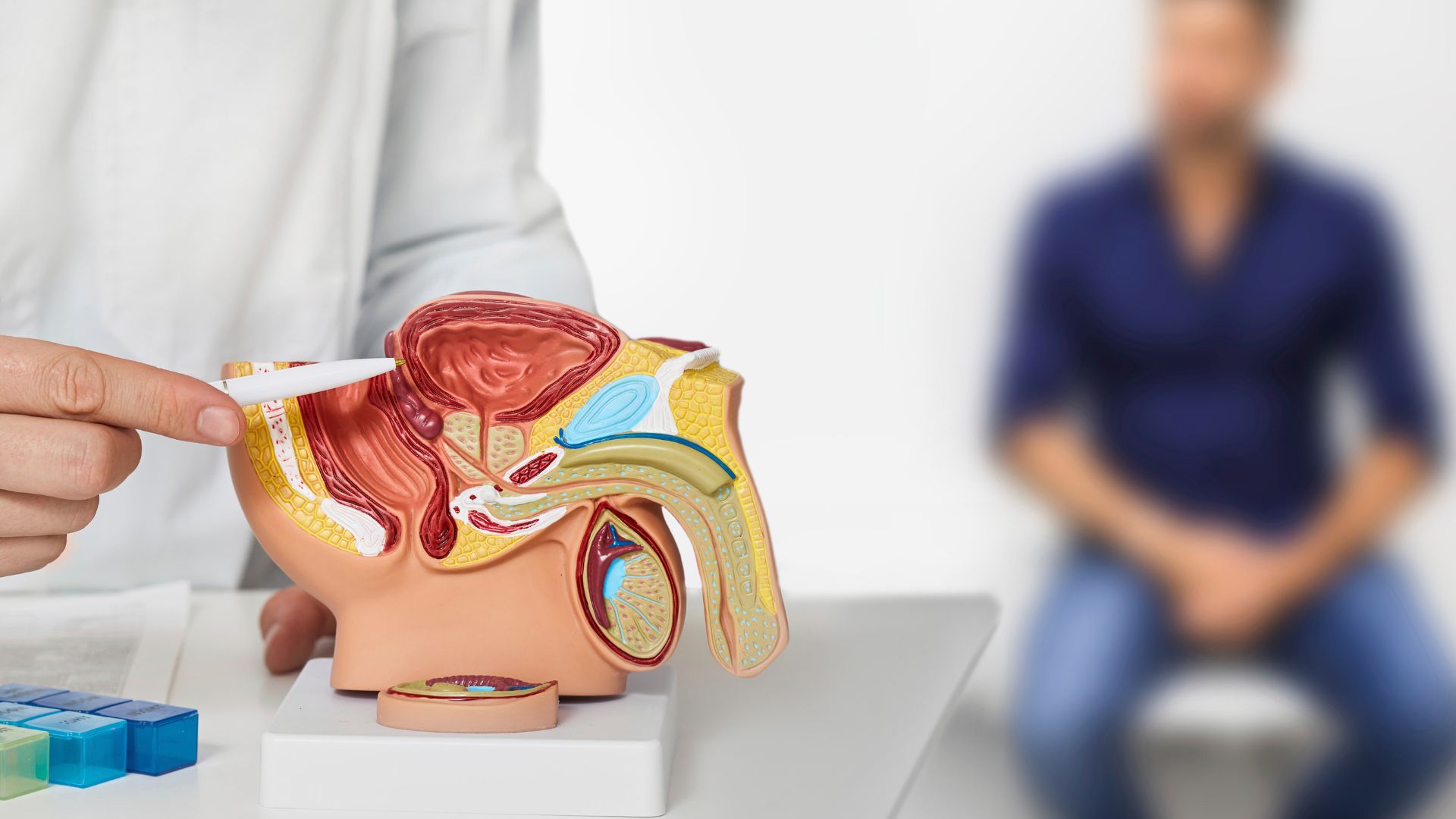
When facing fertility challenges, knowing you’re not alone makes a world of difference. Male infertility affects millions of couples worldwide, but the good news is that many effective treatments are available today.
Understanding Male Infertility
Before diving into treatments, it’s crucial to understand that male infertility can stem from various factors, including low sperm count, poor sperm motility, or abnormal sperm shape. Environmental factors, lifestyle choices, and underlying health conditions can all play a role in fertility challenges.
Medical Treatments That Work
Medication Therapy
Doctors often prescribe medications to address hormonal imbalances or specific medical conditions affecting fertility. These might include:
- Hormone replacement therapy to boost testosterone levels
- Anti-estrogen medications that can improve sperm production
- Medications to treat underlying infections that might impact fertility
Surgical Solutions
Sometimes, structural issues need to be addressed surgically. Common procedures include:
- Varicocele repair to fix enlarged veins in the scrotum
- Sperm retrieval techniques for men with blockages
- Microsurgical reconstruction of the vas deferens or epididymis
Advanced Reproductive Technologies
In Vitro Fertilization (IVF)
IVF has revolutionized fertility treatment, especially when combined with ICSI (Intracytoplasmic Sperm Injection). This technique allows for successful fertilization even with very low sperm counts by directly injecting a single sperm into an egg.
Intrauterine Insemination (IUI)
A less invasive option, IUI involves placing prepared sperm directly into the uterus during ovulation. This treatment works well for mild male factor infertility and can be combined with fertility medications.
Lifestyle Changes That Make a Difference
Making certain lifestyle modifications can significantly improve fertility:
- Maintaining a healthy weight through proper diet and exercise
- Quitting smoking and limiting alcohol consumption
- Managing stress through relaxation techniques
- Avoiding excessive heat exposure to the testicles
- Taking fertility-supporting supplements like zinc and folic acid
Natural and Alternative Approaches
Many men find success with complementary treatments such as:
- Acupuncture to improve sperm quality
- Herbal supplements (under medical supervision)
- Stress reduction techniques like yoga and meditation
When to Seek Help
If you’ve been trying to conceive for over a year without success (or six months if you’re over 35), it’s time to consult a fertility specialist. Early intervention often leads to better outcomes, and modern medicine offers numerous options for overcoming fertility challenges.
Male infertility is a medical condition like any other, and seeking help is a sign of strength, not weakness. With the right treatment approach and support system, many couples successfully navigate their fertility journey and achieve their dream of parenthood.
The key is to stay positive, be patient with the process, and work closely with healthcare providers to find the most effective treatment plan for your specific situation. Every fertility journey is unique, and what works for one person may not work for another, so personalized treatment approaches are essential.
Conclusion
Navigating the complexities of male infertility can feel overwhelming, but it is important to remember that numerous effective pathways are available. From lifestyle adjustments and medical therapies to surgical interventions and advanced assisted reproductive technologies, there is hope for many couples. Understanding the underlying causes is the first critical step, followed by exploring a personalized treatment plan with
Difference
While medical interventions are crucial, adopting certain lifestyle changes can significantly improve male fertility and complement other treatments. These changes are often recommended as a first step or in conjunction with more advanced therapies.
Diet and Nutrition
A balanced diet rich in antioxidants, vitamins, and minerals is vital for sperm health. Foods like fruits, vegetables, nuts, and whole grains can help protect sperm from damage. Limiting processed foods, excessive sugar, and unhealthy fats is also beneficial.
Regular Exercise
Moderate physical activity can improve overall health, including reproductive health. However, it’s important to avoid excessive or strenuous exercise that might lead to overheating the testicles, which can negatively impact sperm production. Opt for activities like brisk walking, jogging, or swimming.
Stress Reduction
Chronic stress can affect hormone levels and overall well-being, potentially impacting fertility. Incorporating stress-reducing techniques such as meditation, yoga, mindfulness, or spending time in nature can be beneficial. Adequate sleep is also a critical component of stress management.
Avoid Harmful Substances
Smoking, excessive alcohol consumption, and recreational drug use are known to impair sperm quality and quantity. Quitting these habits can lead to noticeable improvements in fertility parameters. Limiting caffeine intake may also be advisable for some men.
Environmental Factors
Exposure to certain environmental toxins, pesticides, heavy metals, and excessive heat (from hot tubs, saunas, or prolonged laptop use on the lap) can negatively affect sperm production. Being mindful of these exposures and taking steps to minimize them can support fertility.
The Importance of Early Diagnosis and Personalized Treatment
Navigating male infertility can be complex, but early diagnosis and a personalized treatment plan are key to successful outcomes. It’s essential for couples to seek a comprehensive evaluation from a fertility specialist if they have been trying to conceive for a year (or six months if the female partner is over 35) without success.
Comprehensive Evaluation
A thorough diagnostic process typically involves a detailed medical history, physical examination, semen analysis, and often hormonal tests. Further investigations might include genetic testing, imaging studies, or specialized sperm function tests. This comprehensive approach helps pinpoint the exact cause of infertility, which is crucial for tailoring the most effective treatment strategy.
Personalized Treatment Plans
Because male infertility can stem from a wide array of factors, there is no one-size-fits-all solution. A fertility specialist will work with you to develop a treatment plan that addresses your specific diagnosis, lifestyle, and personal preferences. This might involve a combination of medication, surgical intervention, advanced reproductive technologies, and lifestyle adjustments. The goal is always to maximize the chances of conception while considering the couple’s overall health and well-being.
Emotional Support and Counseling
The journey through infertility can be emotionally challenging for both partners. Many clinics offer counseling services or support groups to help couples cope with the stress, anxiety, and grief that can accompany fertility struggles. Open communication with your partner and seeking professional emotional support can be invaluable during this time.
Frequently Asked Questions
Q: How long should we try to conceive before seeking help for male infertility?
A: Generally, couples are advised to seek a fertility evaluation if they have been trying to conceive for one year without success. If the female partner is over
Recommended Supplement
Master Zinc & Selenium from Master Nutritional is designed to support reproductive health and hormone balance. This physician-formulated supplement may help complement the healthy habits discussed in this article and contribute to your overall wellness goals.