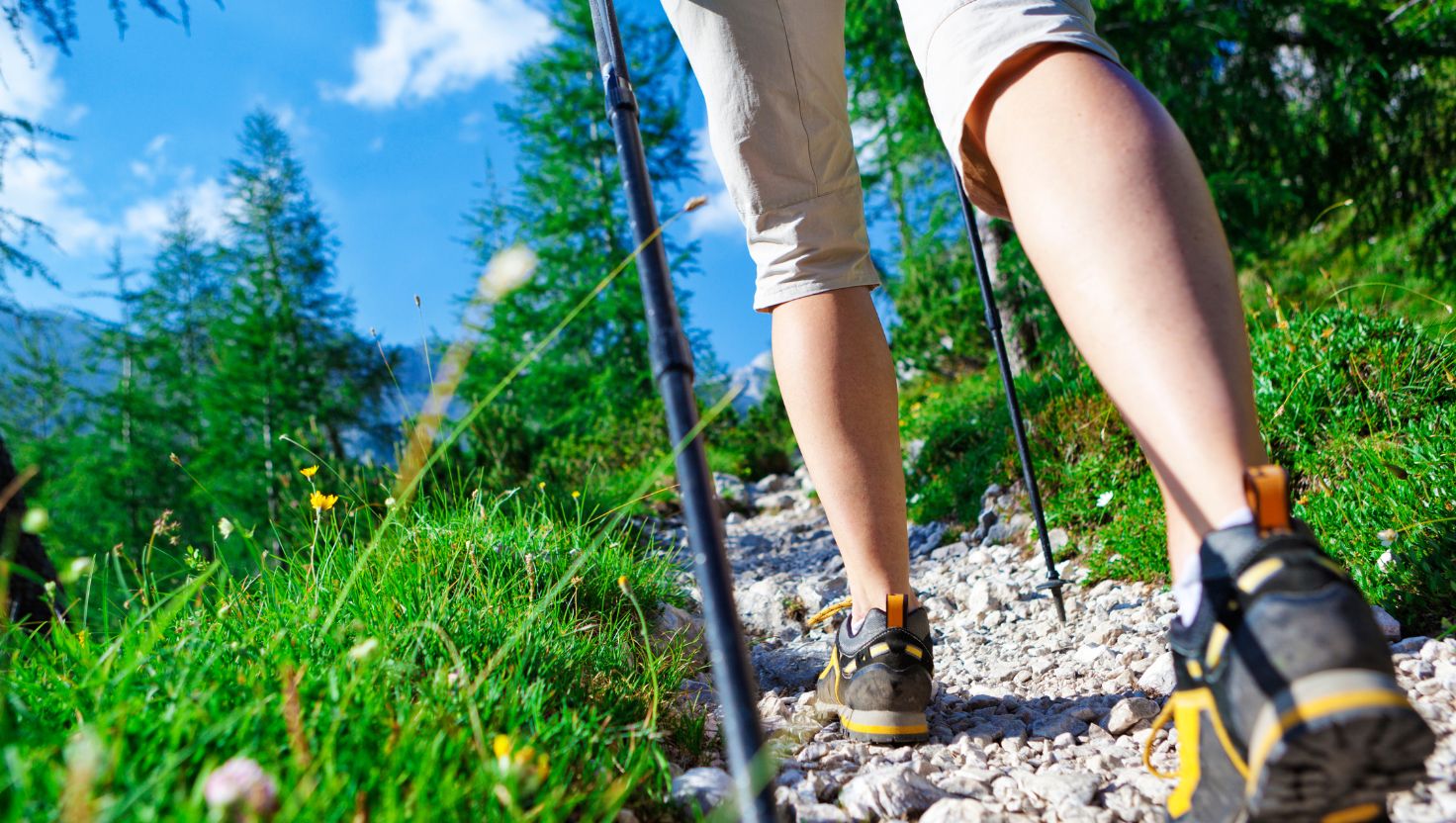
As a physician who has spent decades studying the impact of lifestyle on well-being, I’m constantly impressed by the transformative power of trekking. Also known as long-distance hiking, trekking combines outdoor exercise, nature therapy, and cardiovascular conditioning into a single, exhilarating package. In this post, I’ll share why trekking deserves a spot in your fitness routine, detailing the top health benefits of trekking and practical tips to help you hit the trail safely.
1. Cardiovascular Health & Endurance
One of the most significant benefits of hiking and trekking is its impact on your heart. Climbing varied terrain elevates your heart rate, improving cardiovascular health, boosting circulation, and enhancing your body’s ability to deliver oxygen to working muscles. Over time, regular trekking can lower resting heart rate, reduce blood pressure, and improve overall cardiorespiratory fitness—all crucial for long-term heart disease prevention.
2. Strengthened Muscles & Bone Density
Unlike flat-surface workouts, trekking engages a wide array of muscle groups: calves, quadriceps, hamstrings, glutes, and even your core and upper body when using trekking poles. This full-body strength training not only builds lean muscle mass but also helps maintain and increase bone density, reducing the risk of osteoporosis. The uneven, weight-bearing nature of trails stimulates bones to remodel and strengthen, offering powerful musculoskeletal health benefits.
3. Weight Management & Metabolism Boost
If you’re looking for an effective calorie-burning workout, trekking ranks high on the list. Depending on trail difficulty and backpack weight, you can burn between 400–700 calories per hour—far more than many gym-based cardio machines. This sustained energy expenditure supports weight management, helps regulate blood sugar, and boosts your metabolic rate long after you’ve returned home.
4. Mental Health & Stress Relief
As a proponent of holistic wellness, I emphasize that mental health is as vital as physical fitness. Trekking in natural settings provides potent stress relief by lowering cortisol levels and stimulating endorphin release. Studies have shown that nature therapy—also called ecotherapy—can reduce symptoms of anxiety and depression, sharpen mental clarity, and enhance mood. The combination of rhythmic movement, fresh air, and scenic vistas offers a powerful antidote to daily stressors.
5. Improved Balance & Coordination
Navigating rocky paths, river crossings, and steep ascents requires balance, agility, and proprioception (your body’s awareness of position in space). Over time, trekking refines these skills, reducing fall risk and improving functional fitness for everyday activities. For older adults, this enhanced coordination is especially valuable in maintaining independence and preventing injuries.
6. Social Connection & Well-Being
While solo treks can be deeply meditative, group hikes foster social well-being and build community. Sharing the trail with friends or joining a trekking club provides accountability, motivation, and emotional support. Social connection itself is linked to lower rates of chronic disease and enhanced overall well-being.
Getting Started: Tips for Safe Trekking
- Choose the Right Trail: Match difficulty to your fitness level and start with shorter, well-marked routes.
- Invest in Proper Gear: Comfortable, supportive hiking boots and moisture-wicking layers help prevent blisters and regulate body temperature.
- Pack Essentials: Water, nutritious snacks, a first-aid kit, and navigation tools (map, compass, or GPS) are non-negotiable.
- Build Gradually: Increase distance and elevation gain over time to prevent overuse injuries.
- Listen to Your Body: Rest when needed, practice stretching, and stay hydrated throughout your hike.
Conclusion: Embrace Trekking for Lifelong Health
Trekking stands out as a multifaceted, low-impact outdoor exercise with far-reaching benefits—from cardiovascular health and muscle strengthening to stress reduction and improved mental well-being. As your doctor, I encourage you to lace up your boots, breathe in the fresh air, and embark on this journey toward a stronger heart, a sharper mind, and a more energized you. Happy trails!
How does trekking impact mental well-being?
Engaging in trekking can substantially reduce stress levels and elevate mood by promoting a sense of calm and connection with nature. The physical activity combined with exposure to natural environments is known to have positive effects on mental clarity and emotional balance.
Is trekking suitable for all fitness levels?
Trekking can be adapted for various fitness levels, from gentle walks on flat trails to challenging multi day expeditions. It is advisable to start
3. Weight Management & Metabolism
Trekking is an excellent way to burn calories and manage your weight effectively. The sustained physical activity, especially over varied and challenging terrain, significantly increases your metabolic rate. Regular treks help reduce body fat, build lean muscle, and improve your body’s ability to burn calories even at rest, making it a sustainable and
ing delivers. Depending on the terrain, pack weight, and intensity, you can burn hundreds of calories per hour, making it an excellent tool for weight loss and maintaining a healthy weight. The sustained physical activity also boosts your metabolism, helping your body burn fat more efficiently even after your trek is complete.
4. Mental Well-being & Stress Reduction
Beyond the physical, trekking offers profound benefits for mental health. Spending time in nature has been shown to reduce levels of cortisol, the stress hormone, and alleviate symptoms of anxiety and depression. The rhythmic motion of walking, combined with the serene beauty of natural landscapes, promotes mindfulness and a sense of calm, providing a powerful antidote to the demands of modern life.
5. Improved Balance & Proprioception
Navigating uneven trails, roots, and rocks constantly challenges your balance and proprioception—your body’s awareness of its position in space. This continuous adjustment strengthens stabilizing muscles around your ankles, knees, and hips, significantly improving overall balance and coordination. Regular trekking can reduce the risk of falls, especially as we age, contributing to greater independence and confidence in movement.
Frequently Asked Questions
Q: How do I start trekking if I am a beginner?
Begin by choosing shorter, well-maintained trails with minimal elevation gain to build your stamina. Gradually increase your distance and difficulty as your fitness improves.
Q: What essential gear do I need for trekking?
Key items include sturdy hiking boots, appropriate layered clothing, a backpack with water and snacks, a map or GPS, and a first aid kit. Trekking poles are also highly recommended for stability.
Q: Is trekking safe for everyone?
While generally safe, individuals with pre-existing health conditions should consult their doctor before starting a trekking routine. Always choose trails appropriate for your fitness level and inform someone of your plans.
Q: How often should I trek to see health benefits?
Aim for at least 150 minutes of moderate-intensity aerobic activity per week, which can be achieved through 2-3 trekking sessions. Consistency is more important than extreme intensity.
Q: Can trekking help with stress and anxiety?
Absolutely. The combination of physical exercise, fresh air, and exposure to natural environments is highly effective in reducing stress hormones and improving mood.
Conclusion
Trekking is more than just a walk in the woods; it is a holistic activity that profoundly benefits your physical and mental health. As a physician, I wholeheartedly recommend incorporating trekking into your lifestyle for its unparalleled advantages in cardiovascular health, strength, weight management, mental well-being, and balance. So, lace up your boots, embrace the outdoors, and discover the transformative power of the trail.
Recommended Supplement
Master Multivitamin from Master Nutritional is designed to support comprehensive daily nutritional support. This physician-formulated supplement may help complement the healthy habits discussed in this article and contribute to your overall wellness goals.