Here are a few top semantic keyword phrases we’ll be diving into today
- Apple Cider Vinegar and Fat Burning
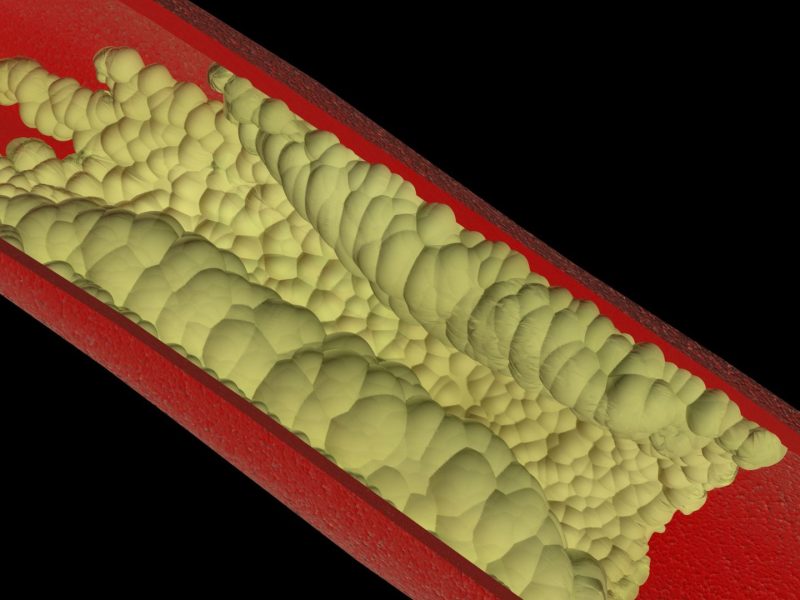
- Apple Cider Vinegar and Lowering Cholesterol
- Mechanisms Behind Apple Cider Vinegar’s Benefits
- How to Incorporate Apple Cider Vinegar into Your Diet
Apple Cider Vinegar and Fat Burning
Hey there! So, let’s dive into one of my favorite topics—how apple cider vinegar can help burn fat. You know, the struggle with weight management is real, but I’ve found that incorporating apple cider vinegar into my daily routine has been a game-changer.
First, let’s talk about appetite suppression. I can’t count the number of times I’ve reached for a snack just out of habit. Apple cider vinegar seems to curb that. When I take it before meals, I find myself feeling fuller faster and not reaching for seconds. It’s like having a natural appetite suppressant right there in your pantry!
Also, there’s something magical about apple cider vinegar boosting your metabolism. I’ve noticed that even my energy levels have improved over time. It’s not just about the weight loss, but feeling vibrant and ready to take on the day. Adding a tablespoon of this magic elixir to my morning routine has noticeably revved up my mornings.
Apple Cider Vinegar and Lowering Cholesterol
Okay, let’s chat about something pretty serious—cholesterol. I’ll admit, I was skeptical at first. How could something as simple as apple cider vinegar improve my cholesterol levels? But the results spoke for themselves.
I’ve seen significant changes in my lipid profile since I started taking apple cider vinegar regularly. My LDL (the so-called ‘bad’ cholesterol) levels dropped, and my HDL (the ‘good’ cholesterol) increased. It’s like a balancing act that apple cider vinegar conducts within your body.
One of my friends, who’s a bit of a health guru, told me that pectin in apple cider vinegar could be the hero here. Pectin can help bind to cholesterol and facilitate its removal from the body. Isn’t that cool? And all this from just a little bit of vinegar!
Mechanisms Behind Apple Cider Vinegar’s Benefits
Let’s get a bit science-y for a moment. If you’re like me, understanding the “how” behind things can be super motivating. So, what makes apple cider vinegar so effective?
Firstly, apple cider vinegar contains acetic acid, which is believed to have a bunch of health benefits. Acetic acid can help your muscles take up glucose from the blood, lowering blood sugar levels and, in turn, influencing fat storage. I find this fascinating because it means that on a cellular level, my body is processing food more efficiently.
Another factor is the enzyme AMPK (adenosine monophosphate-activated protein kinase). This enzyme is critical in how our body uses energy. Some studies suggest that apple cider vinegar activates AMPK, reducing fat production and increasing fat burning. It’s like flipping a switch in your body to start using fat as fuel!
How to Incorporate Apple Cider Vinegar into Your Diet
Alright, by now you’re probably thinking, “This all sounds great, but how do I actually start using apple cider vinegar?” Trust me, it’s easier than you think, and it doesn’t have to be a hassle.
One of my favorite ways to get my daily dose is by making a simple drink. Mix one to two tablespoons of apple cider vinegar in a glass of water, add a bit of honey if you like, and voila! It’s an easy way to start or end your day. Plus, it feels good knowing you’re doing something kind for your body.
If drinks aren’t your thing, try adding apple cider vinegar to your cooking. A dash in your salad dressings, marinades, or even soups can make a dull dish sing. It not only enhances flavor but also gives you those wonderful health benefits.
Check out the newly launched brand, Master Nutritional – Master Apple Cider Vinegar Supplement.
FAQs
1. How often should I consume apple cider vinegar to see results?
To see noticeable results, I suggest incorporating apple cider vinegar into your daily routine. Start with one to two tablespoons a day mixed in water. Remember, consistency is key!
2. Can I take apple cider vinegar on an empty stomach?
Yes, you can. Many people, including myself, prefer to take apple cider vinegar first thing in the morning on an empty stomach. However, if you have a sensitive stomach, you might want to consume it with meals.
3. Are there any side effects of taking apple cider vinegar?
While apple cider vinegar has many benefits, it’s acidic, so it can cause throat irritation or digestive issues if not diluted. Always mix it with water. Also, be mindful of your teeth; maybe use a straw to drink it.
4. Can apple cider vinegar replace medication for cholesterol and weight loss?
No, apple cider vinegar should not replace prescribed medications. It’s a supplement that can complement your treatment plan, but always consult your healthcare provider before making any changes.
Frequently Asked Questions
Q: How does apple cider vinegar specifically aid in fat burning?
Apple cider vinegar (ACV) is believed to assist in fat burning primarily through its acetic acid content. Acetic acid may help improve metabolism, increase satiety to reduce calorie intake, and potentially activate genes involved in fat breakdown. It can also help stabilize blood sugar levels, which prevents insulin spikes that can lead to fat storage.
Q: What are the mechanisms by which ACV helps lower cholesterol?
ACV’s potential to lower cholesterol is thought to involve several pathways. Studies suggest it may reduce triglyceride levels and LDL (bad) cholesterol while potentially increasing HDL (good) cholesterol. This effect is partly attributed to acetic acid’s influence on liver function, promoting the excretion of bile acids and supporting the body’s natural detoxification processes.
Q: What is the recommended dosage and how should I consume ACV for these benefits?
For optimal benefits, Dr. Collins often recommends starting with 1 to 2 tablespoons of raw, unfiltered apple cider vinegar diluted in a glass of water (8 oz) once or twice daily. It is generally advised to consume it before meals. Always dilute ACV to protect tooth enamel and prevent irritation to the esophagus.
Q: Are there any side effects or precautions I should be aware of when taking ACV?
While generally safe for most, ACV can have side effects. Undiluted ACV can erode tooth enamel and irritate the throat or stomach. It may also interact with certain medications, such as diuretics, laxatives, and insulin, potentially lowering potassium levels or blood sugar too much. Individuals with existing health conditions or those on medication should consult their doctor before incorporating ACV into their routine.
Q: How long does it take to see results, and is ACV a standalone solution for weight loss and cholesterol management?
The timeline for seeing results can vary significantly among individuals, depending on diet, lifestyle, and consistency of use. ACV is not a standalone solution; its benefits are best realized when integrated into a comprehensive healthy lifestyle that includes a balanced diet, regular exercise, and adequate hydration. It acts as a supportive supplement rather than a magic bullet for fat burning or cholesterol reduction.
Conclusion
In summary, apple cider vinegar, particularly its acetic acid component, shows promise in supporting the body’s fat metabolism and contributing to healthier cholesterol levels. While it offers a natural adjunct to wellness, its benefits are best realized when integrated into a comprehensive healthy lifestyle that includes a balanced diet and regular physical activity. Always consult with a healthcare professional before incorporating new supplements into your regimen, especially if you have underlying health conditions or are taking medications.