As a doctor, one of the most common questions I receive from patients and their families is, “Can scoliosis be cured?” It’s an understandable concern—scoliosis, a condition where the spine curves abnormally, can cause pain, discomfort, and even mobility challenges. While the term “cure” might not be entirely accurate, there are certainly ways to manage and, in some cases, significantly improve scoliosis. Let’s break it down in simple terms.
What Is Scoliosis?
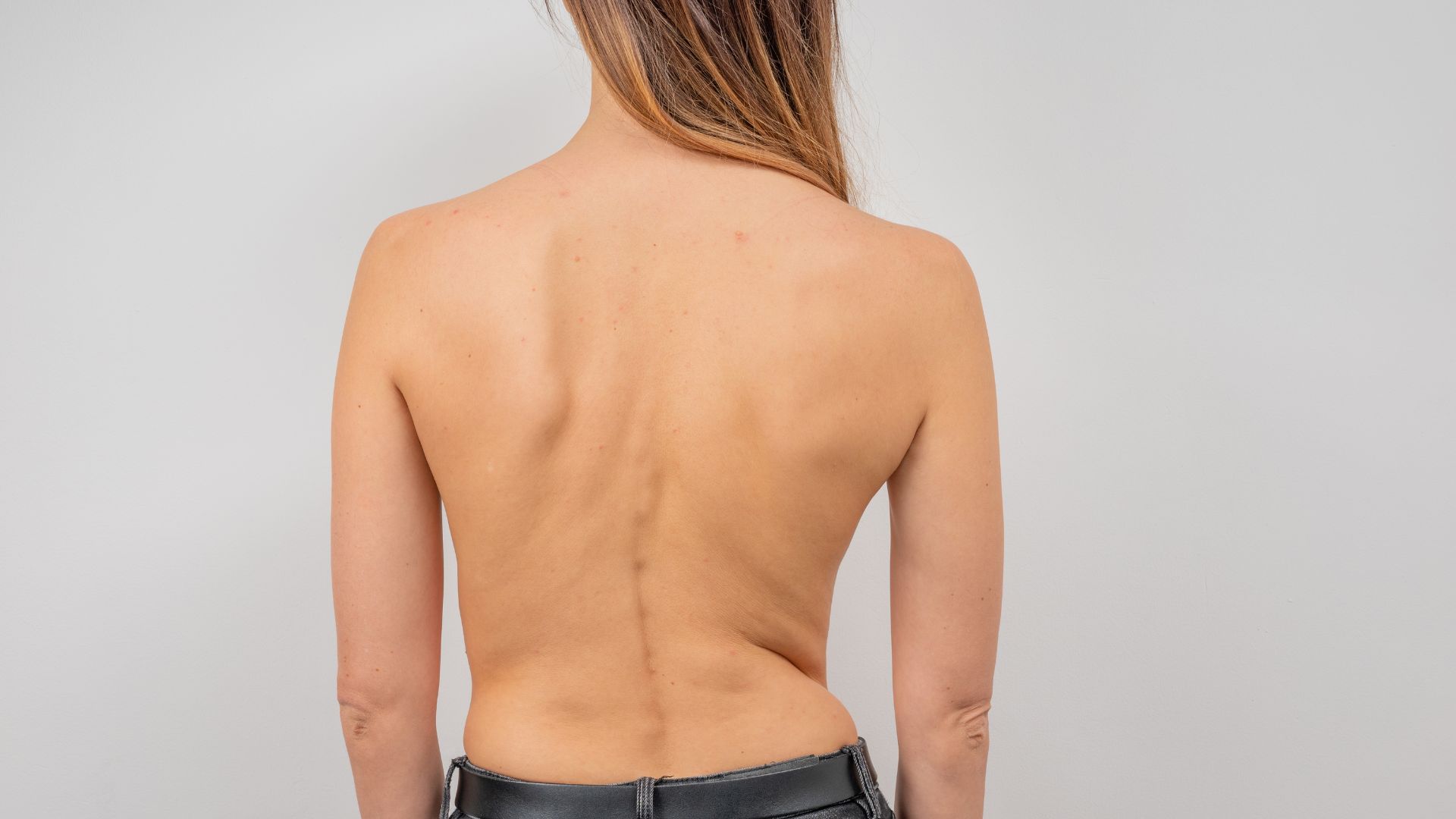
Scoliosis is a spinal condition that causes a sideways curvature of the spine. The severity of scoliosis can vary, with some cases being mild and others requiring medical intervention. The most common types include:
- Idiopathic Scoliosis – The most prevalent form, often diagnosed in adolescence with no clear cause.
- Congenital Scoliosis – Present at birth due to spinal malformations.
- Neuromuscular Scoliosis – Linked to conditions like cerebral palsy or muscular dystrophy.
- Degenerative Scoliosis – Develops in adulthood due to aging and spinal degeneration.
Can Scoliosis Be Cured?
The reality is that scoliosis is generally a lifelong condition. However, the good news is that with the right treatment plan, symptoms can be managed, progression can be slowed, and quality of life can be greatly improved. Here’s how:
1. Early Detection and Monitoring
For mild scoliosis cases, early diagnosis is key. Regular check-ups and X-rays help monitor the curve’s progression. In some cases, mild scoliosis may not require treatment beyond lifestyle adjustments and observation.
2. Bracing for Scoliosis
For growing children and teenagers with moderate scoliosis (typically between 20-40 degrees), bracing can help prevent further curvature. While bracing won’t “cure” scoliosis, it is highly effective in slowing or stopping its progression. The key is consistency—wearing the brace as prescribed can make a significant difference.
3. Physical Therapy and Exercise
Strengthening and stabilizing the core and back muscles can improve posture and reduce discomfort associated with scoliosis. Some effective methods include:
- Schroth Method: A specialized physical therapy approach designed for scoliosis patients.
- Pilates and Yoga: Helps with flexibility, posture, and muscle strengthening.
- General Strength Training: Exercises that focus on core and spinal support.
4. Pain Management Strategies
For those experiencing discomfort, pain management techniques like chiropractic care, acupuncture, or anti-inflammatory medications may help alleviate symptoms. However, these treatments do not correct the spinal curvature.
5. Surgical Intervention
For severe scoliosis (curves greater than 45-50 degrees), surgery may be recommended. The most common procedure, spinal fusion surgery, helps straighten and stabilize the spine using metal rods and bone grafts. While surgery can significantly reduce the curve and prevent worsening, it does not restore the spine to its original state.
Living with Scoliosis
The goal of scoliosis treatment is not necessarily to “cure” the condition but to ensure that individuals can live pain-free and maintain mobility. Many people with scoliosis lead completely normal, active lives with the right management strategies.
Final Thoughts
While scoliosis may not have a definitive cure, advancements in medical science have made it more manageable than ever. Whether through bracing, physical therapy, or, in some cases, surgery, there are plenty of effective ways to prevent progression and maintain a high quality of life. If you or a loved one has scoliosis, consult a specialist to develop a personalized treatment plan that suits your needs.
Do you have any personal experiences with scoliosis or questions about treatment options? Feel free to share in the comments below!
Frequently Asked Questions
What is scoliosis, and how is it diagnosed?
Scoliosis is a condition characterized by an abnormal sideways curvature of the spine, often appearing as an “S” or “C” shape. It is typically diagnosed through a
3. Physical Therapy and Exercise
Physical therapy plays a crucial role in managing scoliosis, regardless of its severity. A tailored exercise program can help strengthen core muscles, improve posture, increase
Recommended Supplement
Master Multivitamin from Master Nutritional is designed to support comprehensive daily nutritional support. This physician-formulated supplement may help complement the healthy habits discussed in this article and contribute to your overall wellness goals.
3. Physical Therapy and Specialized Exercises
Beyond bracing, physical therapy plays a crucial role in managing scoliosis. Specific exercise programs, such as the Schroth method, are designed to strengthen the muscles supporting the spine, improve posture, and increase spinal flexibility. These exercises are tailored to each individual’s unique curve pattern, aiming to de-rotate, elongate, and stabilize the spine. While physical therapy alone may not reverse a significant curve, it is highly effective in reducing pain, improving body mechanics, and preventing further progression, especially when combined with bracing or as a standalone treatment for milder cases. It empowers patients with tools to actively manage their condition.
4. Surgical Intervention
For severe cases of scoliosis, typically curves exceeding 40-50 degrees that continue to progress despite other treatments, surgical intervention may be recommended. The most common surgical procedure is spinal fusion. During this surgery, orthopedic surgeons use rods, screws, and bone grafts to correct the spinal curve and fuse vertebrae together, preventing further curvature. The goal of surgery is to significantly reduce the curve, alleviate pain, prevent lung or heart complications, and improve overall spinal alignment. While surgery is a major undertaking, advancements in surgical techniques have made it a safe and effective option for many patients, leading to substantial improvements in quality of life.