Introduction
As a physician dedicated to proactive and preventative health, I have conversations every day about the hidden factors that influence our well being. For years, we have focused on diet, exercise, and stress. But now, in 2026, a new and unavoidable topic dominates these discussions: the microscopic plastic particles that have found their way into our air, our water, our food, and even our bodies. It is no longer a question of if you have been exposed. The science is clear. We are all part of a global experiment we never signed up for.
The term microplastics refers to tiny plastic fragments less than five millimeters long, born from the breakdown of larger plastic items like bottles, bags, and synthetic clothing. They are, quite literally, everywhere. This pervasive contamination means these particles are entering our bodies through ingestion, inhalation, and even skin contact. For a long time, the question of what this means for our long term health was largely unanswered. The emerging research on microplastics health effects 2026 is beginning to paint a concerning picture, one that requires our immediate attention and a shift in how we approach daily wellness.
This is not a message meant to cause fear, but one intended to empower you with knowledge. Understanding the challenge is the first step toward building resilience. We will explore what the latest science tells us about microplastics in human body tissues, discuss potential warning signs, and most importantly, outline actionable steps you can take to mitigate your exposure and support your body’s natural defense systems. Your health journey is a partnership, and today, that partnership must include strategies to navigate our modern, plastic filled environment.
What the 2026 Research Reveals
The last few years have seen an explosion of research in this field, and the findings are sobering. Where we once suspected, we now have proof. A landmark multinational study published in early 2026, the “Human Biomonitoring Project for Polymer Exposure” (HBPPE), analyzed tissue samples from thousands of individuals across three continents. The results were staggering: microplastics were detected in 100% of the blood, lung, and placental tissues sampled. This confirms that these particles are not just passing through our digestive systems. they are crossing biological barriers and accumulating in our organs.
What kind of health effects are we seeing? The microplastics health effects 2026 data is still correlational, but the links are becoming stronger. A pivotal study from the University of California, San Francisco, released in late 2025, used advanced imaging to observe how human immune cells react to common microplastics like polyethylene (from plastic bags) and PET (from water bottles). The study found that immune cells can mistake these particles for pathogens, triggering a low grade, chronic inflammatory response. This type of persistent inflammation is a known driver of many chronic conditions, from metabolic disorders to autoimmune issues.
Furthermore, the conversation around microplastics gut health has intensified. Research published in the journal Gut Pathogens this year demonstrated a direct link between the concentration of microplastics in the gut and significant shifts in the microbiome. The study suggests that these plastic particles can create an environment that favors the growth of inflammatory bacteria while suppressing beneficial strains. This disruption, or dysbiosis, can compromise the integrity of the gut lining, a condition often referred to as “leaky gut.” A compromised gut barrier may not only lead to digestive distress but could also allow more toxins and undigested food particles to enter the bloodstream, further fueling systemic inflammation. The evidence is mounting that our internal ecosystem is being directly challenged by this environmental fallout.
Warning Signs You Should Not Ignore
Because the effects of microplastic exposure are often subtle and linked to systemic inflammation and gut disruption, there is no single “symptom” of microplastic accumulation. However, in my clinical practice, I am paying closer attention to clusters of non specific symptoms that do not have other clear medical explanations. If you are experiencing a persistent combination of the following, it may be a sign that your body’s toxic load is high and your systems are struggling. It is crucial to discuss these with your healthcare provider to rule out other conditions.
- Unexplained Digestive Issues: Chronic bloating, gas, constipation, or changes in bowel habits that are not resolved with typical dietary changes could be related to microplastic induced gut dysbiosis.
- Persistent Fatigue: A type of deep, cellular fatigue that is not relieved by sleep. This can be a hallmark of chronic inflammation, as the body expends significant energy trying to manage a constant, low level immune response.
- Increased Food Sensitivities: Suddenly reacting to foods you previously tolerated well can sometimes be a sign of a compromised gut lining, which may be exacerbated by the presence of foreign particles.
- Brain Fog and Difficulty Concentrating: The gut brain axis is a well established connection. When the gut is inflamed, it can impact cognitive function, leading to feelings of mental cloudiness and reduced focus.
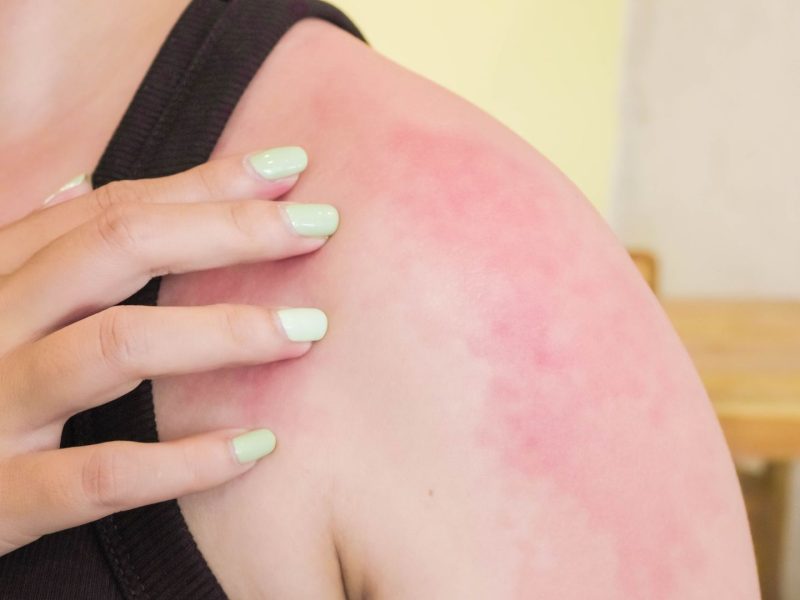
- Skin Problems: Conditions like eczema, rosacea, or unexplained rashes can be external manifestations of internal inflammation and an overburdened detoxification system.
- Achy Joints and Muscles: Widespread, non-specific aches in joints and muscles can be another sign of systemic inflammation, as the immune system’s response can affect tissues throughout the body.
Actionable Steps to Reduce Exposure and Support Your Body
While the pervasiveness of microplastics can feel overwhelming, it is crucial to focus on what we can control. By making conscious choices in our daily lives, we can significantly lower our exposure and bolster our body’s natural detoxification and defense mechanisms. This is not about achieving perfection, but about making consistent, incremental changes that collectively reduce your body’s total burden.
1. Filter Your Environment: Air and Water
Your first line of defense is to reduce what comes into your home and your body. The two primary vectors for microplastic exposure are the water you drink and the air you breathe.
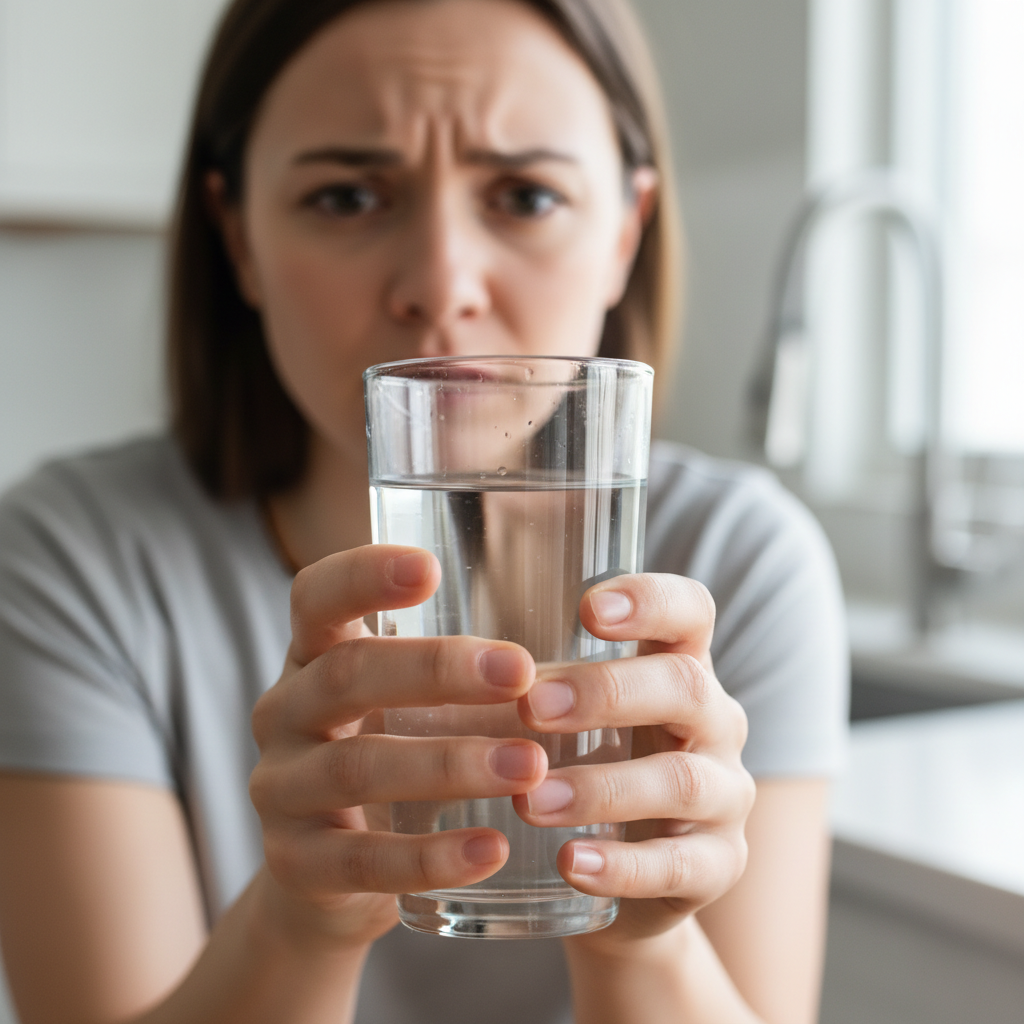
- Upgrade Your Water Filtration: Many standard pitcher filters are not designed to capture microscopic particles. Invest in a high quality water filtration system. Reverse osmosis (RO) systems are highly effective at removing a wide range of contaminants, including microplastics. A solid carbon block filter certified by the NSF (National Sanitation Foundation) to remove particles of one micron or smaller is also an excellent choice. Most importantly, stop drinking from single use plastic bottles. Opt for reusable glass or stainless steel containers.
- Purify Your Indoor Air: Indoor air can be more polluted than outdoor air, partly due to the shedding of microfibers from synthetic carpets, furniture, and clothing. A high quality HEPA (High Efficiency Particulate Air) filter in your home’s HVAC system or as a standalone air purifier can capture these airborne particles. Regularly vacuuming with a vacuum that also has a HEPA filter can prevent these particles from being recirculated into the air you breathe.
2. Rethink Your Kitchen and Your Plate
The food we eat and how we store it is another major source of exposure. Plastic packaging and containers can leach particles directly into our food, a process that is accelerated by heat.
- Ditch Plastic in the Kitchen: The single most impactful change you can make is to replace plastic food storage containers with glass, stainless steel, or ceramic alternatives. Never, ever microwave food in a plastic container. The heat causes chemicals and microplastics to leach into your food at a much higher rate. Avoid plastic wrap, plastic cutting boards (which shed particles when cut), and non stick cookware that is scratched or flaking.
- Choose Whole, Unpackaged Foods: The more processed and packaged a food is, the more opportunities it has had for plastic contamination. Prioritize fresh fruits, vegetables, and bulk goods. When possible, choose items sold in glass jars or cardboard over plastic tubs and bags.
- Be Mindful of Your Beverage Choices: Many people are surprised to learn that a single plastic tea bag can release billions of micro and nanoplastic particles into a cup of hot water. Opt for loose leaf tea or brands that confirm their bags are plastic free. Similarly, avoid coffee pods, which combine heat, water, and plastic.
3. Support Your Body’s Natural Defenses
Since we cannot completely eliminate exposure, strengthening our body’s ability to manage and eliminate toxins is paramount. This involves supporting your primary detoxification organs: the gut, liver, and kidneys.
- Prioritize Gut Health: A robust and intact gut lining is a critical barrier against foreign particles entering the bloodstream. Support your microbiome with a diet rich in prebiotic fiber from sources like garlic, onions, asparagus, and bananas. Incorporate probiotic rich fermented foods like kefir, sauerkraut, and kimchi. For targeted support, nutrients like L-glutamine may help promote the health of the gut lining, but you should always discuss new supplements with your healthcare provider.
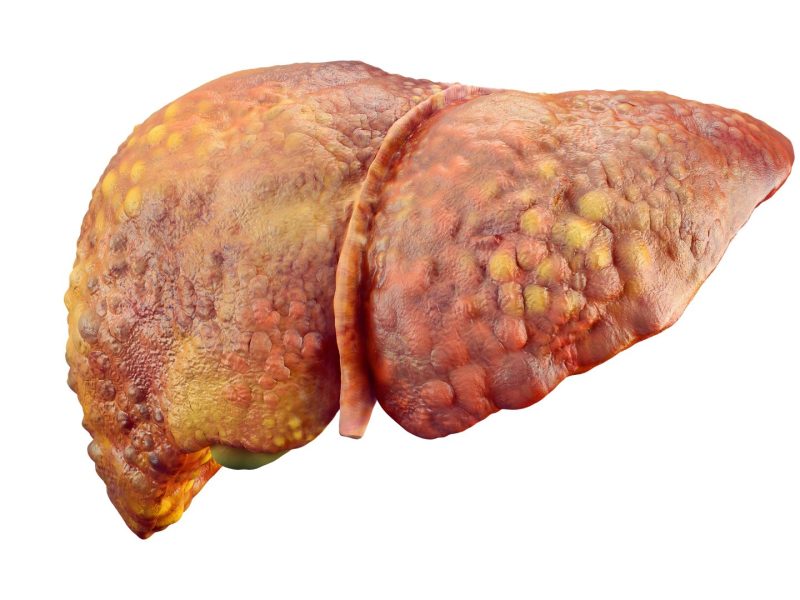
- Boost Liver Function: Your liver is your body’s master detoxification organ. You can support its function by consuming cruciferous vegetables like broccoli, cauliflower, and Brussels sprouts, which contain compounds that aid in detoxification pathways. Antioxidant rich foods like berries, leafy greens, and green tea can also help protect liver cells from damage.
- Stay Hydrated and Sweat: Drinking plenty of filtered water is essential for helping your kidneys flush out waste products. Additionally, sweating is a natural detoxification pathway. Regular exercise, saunas, or steam rooms can help support this process, allowing your body to excrete toxins through the skin.
- Combat Inflammation: Since a key concern with microplastics is chronic inflammation, adopting an anti inflammatory diet is a powerful strategy. Focus on healthy fats like omega 3s found in wild caught fatty fish, flaxseeds, and chia seeds. Incorporate anti inflammatory spices like turmeric (curcumin) and ginger into your cooking. A diet centered on a wide variety of colorful plants provides a spectrum of phytonutrients designed to help regulate the body’s inflammatory response.
A Natural Wellness Support Worth Knowing About
As Dr. Joshua Collins, I recognize the growing concern about microplastics within our bodies and their potential impact. Supporting our natural detoxification pathways and antioxidant defenses is more important than ever to help maintain overall well-being in today’s environment.
To address this, I often discuss nutritional support designed to help these systems function optimally. The Master Glutathione Complex is a product that aligns with this philosophy, formulated to support the body’s inherent protective mechanisms.
Key Ingredients and Their Wellness Benefits
- Glutathione (reduced): May support the body’s primary antioxidant defense system.
- Alpha Lipoic Acid: May help regenerate other antioxidants in the body.
- Vitamin C: Helps maintain overall immune function and antioxidant activity.
- Milk Thistle Extract: May contribute to liver health, a key detoxification organ.
- N-Acetyl Cysteine: Is a precursor to glutathione, designed to support its production.
Incorporating such supplements may contribute to a comprehensive wellness strategy, alongside a healthy diet and lifestyle. Remember, this complex is designed to support your body’s natural processes, not to treat or cure any condition.
Frequently Asked Questions
What are microplastics?
Microplastics are tiny plastic particles less than five millimeters in diameter. They originate from the breakdown of larger plastic items, such as bottles and bags, or are intentionally manufactured as small particles for use in products like cosmetics.
How do microplastics enter the body?
Humans can be exposed to microplastics through ingestion, inhalation, and dermal contact. They are commonly found in contaminated food, bottled water, and even the air we breathe, making exposure a part of daily life.
Are microplastics harmful to health?
The full extent of microplastics’ impact on human health is still under active investigation by the scientific community. Current research is focused on understanding how these particles may affect cellular function, contribute to inflammation, and act as carriers for other environmental toxins.
How can I reduce microplastic exposure?
You can take steps to reduce exposure by choosing fresh, unpackaged foods when possible, drinking filtered tap water instead of bottled water, and avoiding plastic food containers. Regularly dusting and vacuuming your home can also help reduce airborne particles.
Can the body eliminate microplastics?
The body has natural elimination pathways, such as the digestive system, which may help process and excrete some foreign particles. Supporting your body’s natural detoxification and digestive systems is a sound wellness strategy for overall health.
Conclusion
The reality of our world in 2026 is that microplastics are an unavoidable part of our environment and, consequently, our bodies. The emerging science clearly links these particles to systemic inflammation and gut microbiome disruption, which are foundational to long term health. While this knowledge can be unsettling, it should also be empowering. It provides us with a clear mandate to take proactive control of our health in ways we may not have previously considered. We cannot eliminate our exposure, but we can significantly reduce it through conscious choices about the water we drink, the air we breathe, and the food we eat.
By filtering our environment, transitioning away from plastic in our kitchens, and actively supporting our body’s detoxification systems, we build resilience. Focus on strengthening your gut, supporting your liver, and adopting an anti inflammatory lifestyle. These are not just strategies against microplastics. they are the pillars of vibrant health in the modern world. Your health is your greatest asset. Protecting it today requires a new level of awareness and a commitment to making small, consistent changes that yield profound benefits over time.