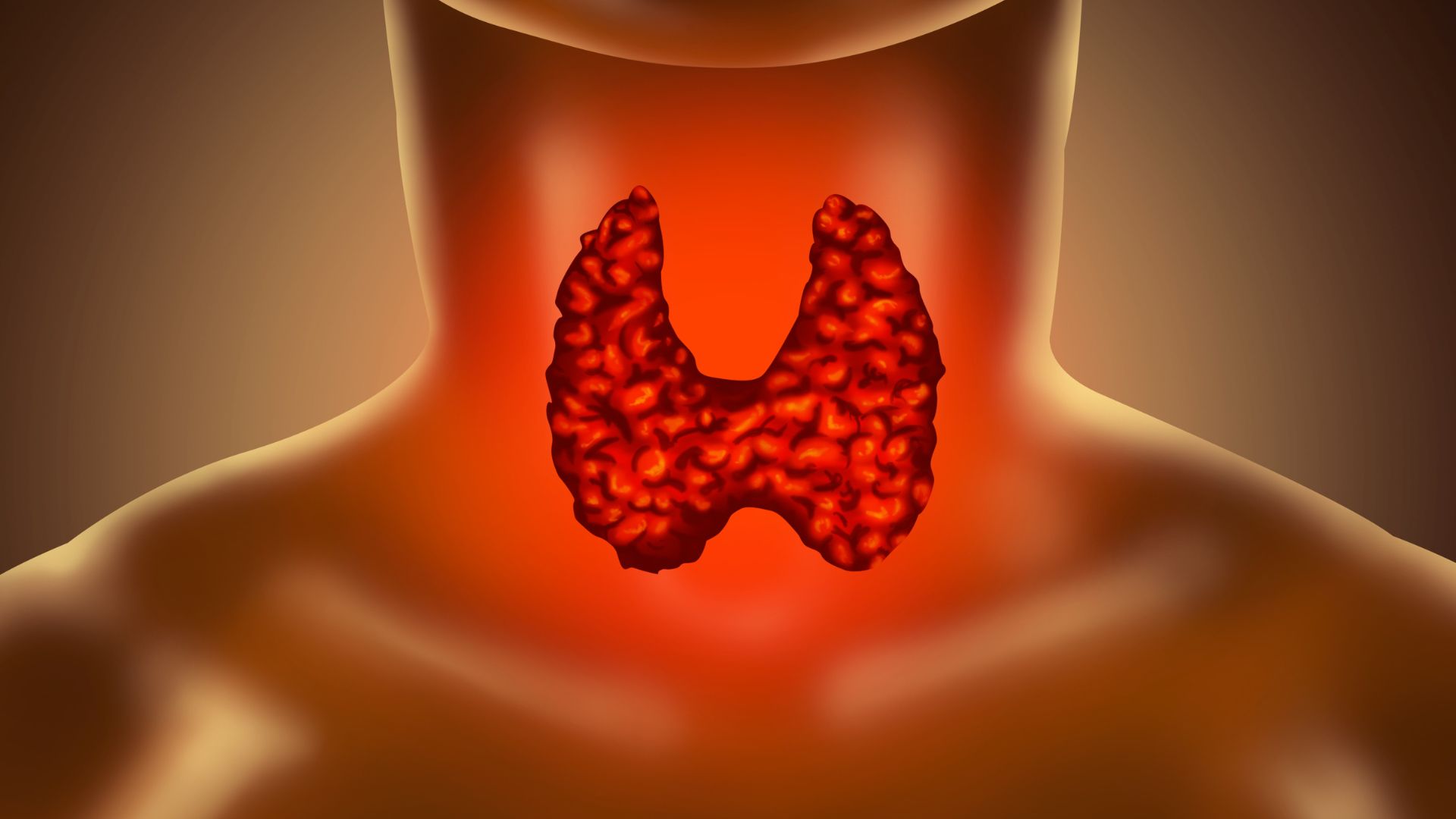
As a doctor, I often see patients struggling with thyroid imbalances, particularly high thyroid hormone levels, also known as hyperthyroidism. Your thyroid gland plays a crucial role in regulating metabolism, energy levels, and overall bodily functions. When thyroid hormone levels are too high, it can lead to a range of symptoms that impact your health and well-being. Let’s take a closer look at what happens when your thyroid levels are elevated and what you can do about it.
You can learn more here: Master Advanced Thyroid & Hormone Support: Break Free from Thyroid Struggles
What Causes High Thyroid Levels?
Several conditions can cause an overactive thyroid, including:
✔️ Graves’ disease – An autoimmune disorder where the immune system mistakenly attacks the thyroid, causing it to produce excess hormones.
✔️ Thyroid nodules – Small lumps in the thyroid that can increase hormone production.
✔️ Thyroiditis – Inflammation of the thyroid, which can temporarily increase hormone levels.
✔️ Excess iodine intake – Consuming too much iodine (found in some supplements and foods) can overstimulate the thyroid.
✔️ Overmedication with thyroid hormones – Occurs in people taking thyroid hormone replacement therapy in excessive doses.
Symptoms of High Thyroid Levels
When your thyroid is overactive, your metabolism speeds up, leading to several noticeable symptoms, including:
✔️ Unexplained weight loss – Despite eating normally or even more than usual, weight loss can occur due to a higher metabolic rate.
✔️ Rapid or irregular heartbeat (palpitations) – Increased thyroid hormones can cause the heart to beat faster, leading to heart palpitations or arrhythmias.
✔️ Excessive sweating and heat intolerance – The body’s temperature regulation becomes disrupted, making you feel overly warm.
✔️ Anxiety, nervousness, or irritability – Hyperthyroidism affects brain function and can lead to mood swings, restlessness, or panic attacks.
✔️ Tremors (shaky hands or fingers) – Excessive thyroid hormone can overstimulate the nervous system, leading to tremors.
✔️ Fatigue and muscle weakness – Over time, an overactive thyroid can cause muscle deterioration, making daily activities exhausting.
✔️ Frequent bowel movements or diarrhea – The increased metabolism speeds up digestion, leading to more frequent trips to the bathroom.
✔️ Thinning hair and brittle nails – Thyroid imbalances affect hair and nail health, leading to hair thinning or excessive shedding.
✔️ Enlarged thyroid (goitre)– A visible swelling in the neck caused by thyroid gland enlargement.
Potential Health Complications
If left untreated, high thyroid levels can lead to serious complications, including:
⚠️ Thyroid storm – A rare but life-threatening condition where thyroid hormone levels become dangerously high, leading to fever, confusion, and rapid heartbeat.
⚠️ Heart problems – Long-term hyperthyroidism can cause irregular heart rhythms and increase the risk of heart failure.
⚠️ Osteoporosis – Excess thyroid hormone can weaken bones, making them more prone to fractures.
⚠️ Eye problems (Graves’ ophthalmopathy) – In some cases, bulging eyes, vision issues, and eye discomfort can occur, especially in Graves’ disease.
How Is Hyperthyroidism Diagnosed?
If you experience symptoms of high thyroid levels, your doctor will likely order:
✔️ Blood tests – To measure levels of TSH (thyroid-stimulating hormone) and T3/T4 (thyroid hormones).
✔️ Thyroid ultrasound – To check for nodules or abnormalities in the thyroid gland.
✔️ Radioactive iodine uptake test– To determine how much iodine your thyroid absorbs, which can help identify the cause of hyperthyroidism.
Treatment Options for High Thyroid Levels
Managing hyperthyroidism depends on its cause and severity. Common treatments include:
✔️ Anti-thyroid medications – These help reduce the production of thyroid hormones.
✔️ Beta-blockers – Used to control symptoms like rapid heartbeat and tremors.
✔️ Radioactive iodine therapy – A common treatment that shrinks the thyroid gland over time.
✔️ Surgery (thyroidectomy) – In severe cases, part or all of the thyroid gland may need to be removed.
✔️ Lifestyle and dietary adjustments – Limiting iodine intake, reducing stress, and maintaining a balanced diet can help manage symptoms.
Suggested Support for Better Thyroid Balance
If you want extra daily support for energy, focus, and healthy hormone function, you may consider Master Advanced Thyroid and Hormone Support. It is designed to help maintain a healthy thyroid, support metabolism, and promote steady energy throughout the day.
You can learn more here: Master Advanced Thyroid & Hormone Support: Break Free from Thyroid Struggles
Final Thoughts
Having high thyroid levels can affect nearly every aspect of your health, from metabolism and heart function to mental well-being. The good news is that with early diagnosis and the right treatment, hyperthyroidism can be managed effectively. If you suspect you have symptoms of an overactive thyroid, don’t hesitate to seek medical advice.
Do you or someone you know have hyperthyroidism? Feel free to share your experiences or ask any questions below!