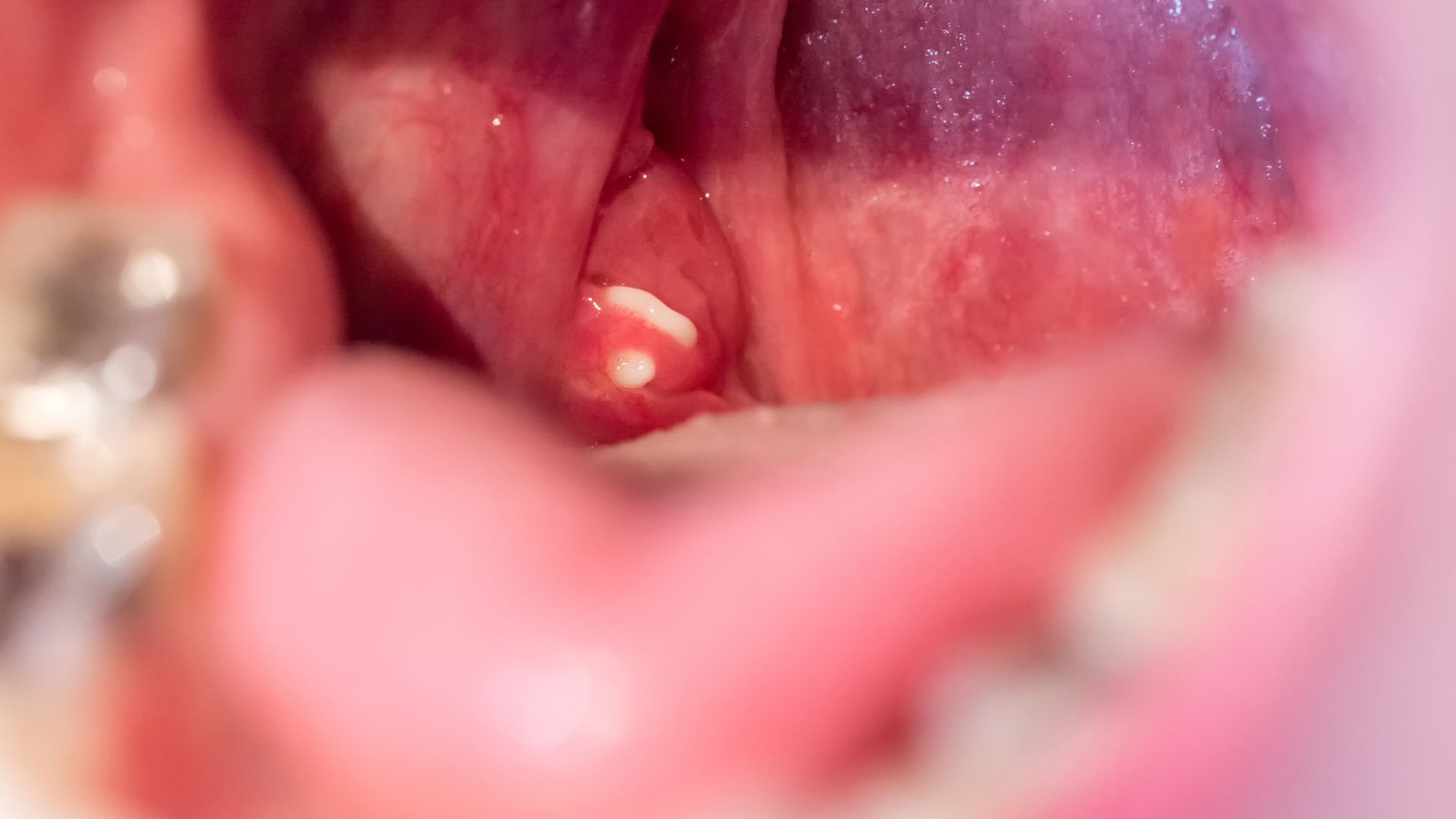
As a doctor specializing in ear, nose, and throat (ENT) health, one question patients often ask me is, “Are tonsil stones harmful?” Many individuals discover these small, calcified lumps in their throat and become understandably concerned. Today, I’ll share my insights to clarify exactly what tonsil stones are, why they occur, and whether they pose any significant health risks.
What Exactly Are Tonsil Stones?
Tonsil stones, medically known as tonsilloliths, are small, hard lumps that form in the crevices (crypts) of your tonsils. They consist of trapped debris, including bacteria, food particles, mucus, and dead cells. Over time, this debris calcifies and turns into the stones you might feel or see in your throat.
Common Symptoms of Tonsil Stones
While some people don’t experience symptoms at all, others might notice:
- Bad breath (halitosis) – one of the most common and noticeable symptoms.
- Feeling of something stuck in the throat.
- Visible white or yellowish lumps on the tonsils.
- Sore throat or mild irritation.
- Difficulty swallowing if stones become large.
- Persistent cough.
Are Tonsil Stones Dangerous?
The good news is that tonsil stones are typically harmless and non-threatening. Although they can be uncomfortable or annoying, they rarely cause significant health problems. Most tonsil stones are small enough to dislodge naturally without requiring medical intervention.
However, larger tonsil stones or frequent occurrences can lead to discomfort or more noticeable symptoms, including persistent bad breath or throat irritation. In rare instances, tonsil stones can contribute to tonsil infections (tonsillitis) due to increased bacteria trapped in the tonsil crypts.
When Should You Seek Medical Attention?
While tonsil stones themselves aren’t usually harmful, certain situations warrant medical advice:
- Chronic or severe discomfort: If you experience frequent pain or irritation.
- Recurring infections: Repeated episodes of tonsillitis or throat infections.
- Difficulty swallowing or breathing: Large stones causing significant blockage.
- Persistent bad breath that affects quality of life.
In these cases, consulting an ENT specialist is advisable. They may recommend conservative treatments or, in rare cases, a tonsillectomy (removal of the tonsils) if tonsil stones severely affect your quality of life.
How Can You Prevent or Manage Tonsil Stones?
If tonsil stones bother you, consider these simple, preventive measures:
- Practice good oral hygiene: Brush your teeth twice daily, floss, and use mouthwash regularly to reduce bacteria.
- Stay hydrated: Drinking plenty of water prevents bacteria buildup.
- Gargle with salt water: Regular gargling helps dislodge stones and reduces inflammation.
- Avoid smoking and excessive alcohol: Both increase bacteria growth and worsen tonsil health.
Final Thoughts
Tonsil stones, while irritating, rarely pose serious health threats. Maintaining good oral hygiene, staying hydrated, and regular gargling are effective ways to manage and prevent tonsil stones. If discomfort persists or symptoms worsen, seeking medical advice ensures the best outcome.
Have you dealt with tonsil stones? Share your experiences or ask any questions below!
A Natural Wellness Support Worth Knowing About
While tonsil stones are often a localized issue, they can sometimes prompt us to consider our
Frequently Asked Questions
What exactly are tonsil stones?
Tonsil stones, also known as tonsilloliths, are calcified deposits that form in the small crevices of your tonsils. They are typically composed of bacteria, food debris, and dead cells that accumulate and harden over time.
Are tonsil stones dangerous to my overall health?
Generally, tonsil stones are not considered dangerous or harmful to your overall health. While they can cause discomfort or minor issues, they do not typically lead to serious medical complications.
What common symptoms do tonsil stones cause?
Common symptoms include bad breath, a persistent sore throat, difficulty swallowing, or a feeling of something stuck in the throat. Some individuals may also experience ear pain or a chronic cough.
When should I consult a doctor about tonsil stones?
You should consult a doctor if tonsil stones cause significant pain, persistent discomfort, difficulty swallowing, or if you experience frequent infections. A medical professional can help determine the best course of action.
Can tonsil stones be prevented?
While complete prevention may not always be possible, maintaining good oral hygiene is crucial. Regular brushing, flossing, and gargling with non-alcoholic mouthwash can help reduce the accumulation of debris.
Are Tonsil Stones Dangerous?
The good news is that tonsil stones are typically harmless and non-threatening. Although they can be uncomfortable or annoying, they rarely cause significant health problems. Most tonsil stones are small enough to dislodge naturally without requiring medical intervention. However, larger tonsil stones or frequent occurrences can lead to discomfort or more noticeable symptoms, including persistent bad breath or throat irritation. In rare instances, very large tonsil stones can contribute to chronic tonsillitis, difficulty swallowing, or even an abscess, though this is uncommon.
When to See a Doctor for Tonsil Stones
While most tonsil stones resolve on their own, there are situations where medical attention is advisable. You should consult an ENT specialist if you experience severe throat pain, persistent difficulty swallowing, a feeling of a lump that won’t go away, or if your tonsil stones are frequently recurring and significantly impacting your quality of life. A doctor can rule out other conditions and discuss professional removal options or preventative strategies.
Treatment and Prevention of Tonsil Stones
For small, bothersome tonsil stones, home remedies often suffice. Gargling with warm salt water can help dislodge stones and reduce discomfort. Maintaining excellent oral hygiene, including regular brushing, flossing, and using an alcohol-free mouthwash, is crucial. Staying well-hydrated also helps keep your mouth moist and reduces the accumulation of debris.
If home remedies are ineffective or stones are large and persistent, medical treatments are available. These can range from manual removal by a doctor, prescription antibiotics for associated infections, or procedures like laser cryptolysis to smooth the tonsil surface. In severe, recurrent cases, a tonsillectomy (surgical removal of the tonsils) may be considered as a last resort to permanently eliminate the problem.
A Supplement Worth Discussing With Your Doctor
One product I recommend patients explore is Master Multivitamin Gummies from Master Nutritional. This supplement helps fill nutritional gaps, supports sustained energy levels, and promotes overall daily wellness.
- Formulated with high-quality, science-backed ingredients
- Designed for long-term wellness support
- Available at masternutritional.com
Disclaimer: These statements have not been evaluated by the FDA. This product is not intended to diagnose, treat, cure, or prevent any disease.