As a doctor who has studied the science of aging and hair health for over two decades, I’m often asked: “Why does hair turn grey?” Whether it’s the first silver strand in your twenties or a full head of salt-and-pepper in your fifties, understanding the process behind hair graying can demystify this natural phenomenon.
The Biology of Hair Pigmentation
Our hair color is determined by cells called melanocytes, which produce the pigment melanin. There are two main types of melanin:
- Eumelanin, responsible for black and brown hues.
- Pheomelanin, giving hair red and yellow tones.
When hair follicles divide and grow, melanocytes inject melanin into the keratin cells that form the hair shaft. The amount and ratio of eumelanin to pheomelanin give each individual their unique hair color.
Why Hair Turns Gray: Melanin Decline
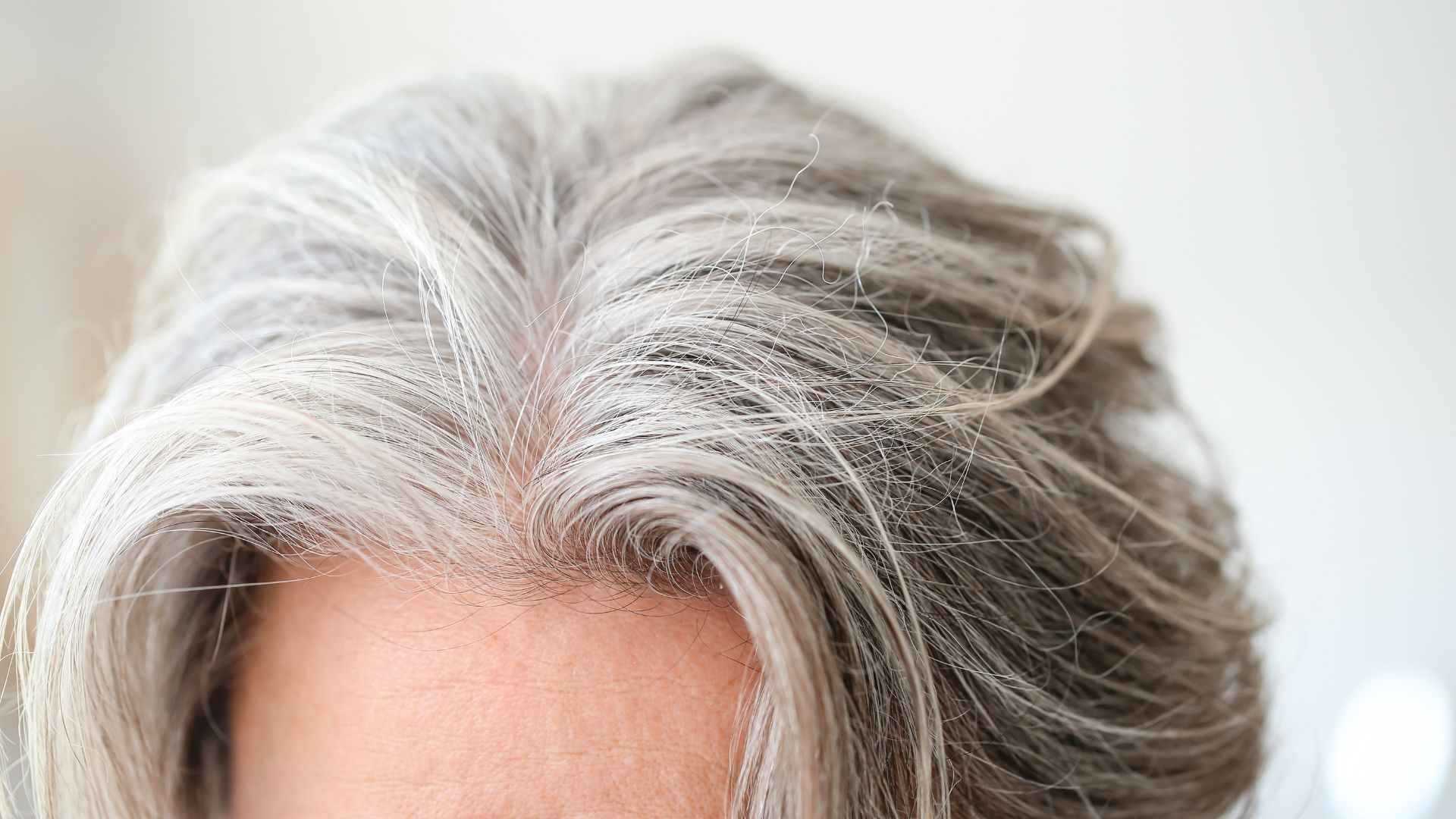
As we age, melanocytes gradually lose their ability to produce melanin. Over time, fewer melanin granules are incorporated into new hair strands. When pigment falls below a certain threshold, hair appears gray, silver, or white. In short, grey hair is simply hair without enough melanins.
Key Factors Behind Hair Graying
- Genetics: Your DNA largely dictates when and how quickly your hair turns gray. If your parents experienced early graying, you’re more likely to follow a similar timeline.
- Oxidative Stress: Over time, free radicals accumulate in the hair follicle, damaging melanocytes. Environmental factors like UV exposure, pollution, and smoking accelerate this oxidative stress, leading to premature greying.
- Nutritional Deficiencies: Deficiencies in vitamin B12, iron, copper, and biotin can impair melanin production. A balanced diet rich in antioxidants supports hair pigment and overall hair health.
- Health Conditions: Some autoimmune diseases, thyroid disorders, and vitiligo can affect pigment cells, causing localized or generalized graying.
- Stress and Lifestyle: While stress itself doesn’t directly trigger grey hair, chronic stress can exacerbate oxidative damage and hormonal imbalances, indirectly impacting hair pigmentation.
Can You Prevent or Reverse Greying?
Currently, there’s no scientifically proven way to reverse natural graying permanently. However, certain measures may slow the process:
- Antioxidant-Rich Diet: Foods high in vitamins C and E, selenium, and polyphenols help neutralize free radicals.
- Supplements: Discussing supplements such as biotin, zinc, and vitamin B12 with your healthcare provider may fill nutritional gaps.
- Hair Care Habits: Avoid excessive heat styling and harsh chemical treatments that can stress hair follicles.
- Smoking Cessation: Quitting smoking reduces oxidative stress, preserving melanocyte function for longer.
Embracing Your Silver Strands
While many seek ways to delay graying, grey hair can also be a badge of wisdom and maturity. Embracing your natural color can boost confidence and save time on hair dyes.
Final Thoughts
Grey hair is an inevitable part of aging. It reflects a decline in melanin production influenced by genetics, oxidative stress, nutrition, and health. Although preventing every silver strand isn’t possible, maintaining healthy lifestyle habits can support your natural hair pigment for as long as possible.
Have you noticed early greying or found strategies to care for grey hair? Share your experiences or questions below!
A Natural Wellness Support Worth Knowing About
Understanding why our hair turns grey often leads us to consider the broader aspects of aging and cellular health
Frequently Asked Questions
What causes hair to turn grey?
Hair greying primarily occurs due to a decrease in melanin production by melanocytes in the hair follicles. As we age, these pigment-producing cells gradually lose their ability to function effectively, leading to a lack of color in new hair strands. This natural process results in hair appearing grey, white, or silver.
Is stress a factor in hair greying?
While acute stress does not directly cause individual hair strands to lose their color, chronic stress can potentially accelerate the greying process in some individuals. Research suggests that stress may impact the stem cells responsible for melanocyte regeneration. However, the primary driver remains genetic predisposition and age.
Can nutrition impact hair color?
While severe nutritional deficiencies can affect
Nutritional Deficiencies (Continued)
Deficiencies in vitamin B12, crucial for healthy cell division and nerve function, are strongly linked to premature graying. Beyond B12, other vital nutrients play a role. Copper is essential for the enzyme tyrosinase, which is directly involved in
orders, and certain rare genetic syndromes can also contribute to premature graying.
The Interplay of Health Conditions and Medications
Beyond the common factors, various health conditions can significantly
Recommended Supplement
Master Biotin Complex from Master Nutritional is designed to support hair strength and growth. This physician-formulated supplement may help complement the healthy habits discussed in this article and contribute to your overall wellness goals.
Health Conditions and Other Factors
Health Conditions: Some autoimmune diseases, thyroid disorders, and conditions like vitiligo or pernicious anemia can interfere with melanocyte function or survival, leading to premature graying. Addressing these underlying health issues can sometimes slow down or prevent further graying, but often the effects are irreversible once established. Beyond these, chronic stress, while not directly causing gray hair overnight, can exacerbate the process. Prolonged periods of high stress can impact the stem cells in hair follicles that develop into melanocytes, potentially accelerating their depletion. Furthermore, the lifestyle choice of smoking is a significant contributor to premature graying. The toxins in cigarette smoke generate a high level of free radicals, intensifying oxidative stress on melanocytes and damaging their ability to produce pigment.
Can You Prevent or Reverse Gray Hair?
For most individuals, hair graying is a genetically programmed and inevitable part of aging. While you cannot change your genetic predisposition, managing controllable factors can support overall hair health and potentially delay the onset of graying. This includes maintaining a balanced diet rich in antioxidants, vitamins, and minerals, reducing exposure to environmental pollutants, quitting smoking, and managing stress effectively. Unfortunately, once a hair follicle loses its ability to produce melanin and the hair strand grows out gray or white, there is currently no scientifically proven method to reverse the process and restore natural color. Research is ongoing into the mechanisms of hair repigmentation, but as of now, any claims of permanent reversal through supplements or topical treatments should be viewed with skepticism. Embracing your natural hair color, whether it’s vibrant or silver, is a healthy perspective on this universal aspect of the human aging process.