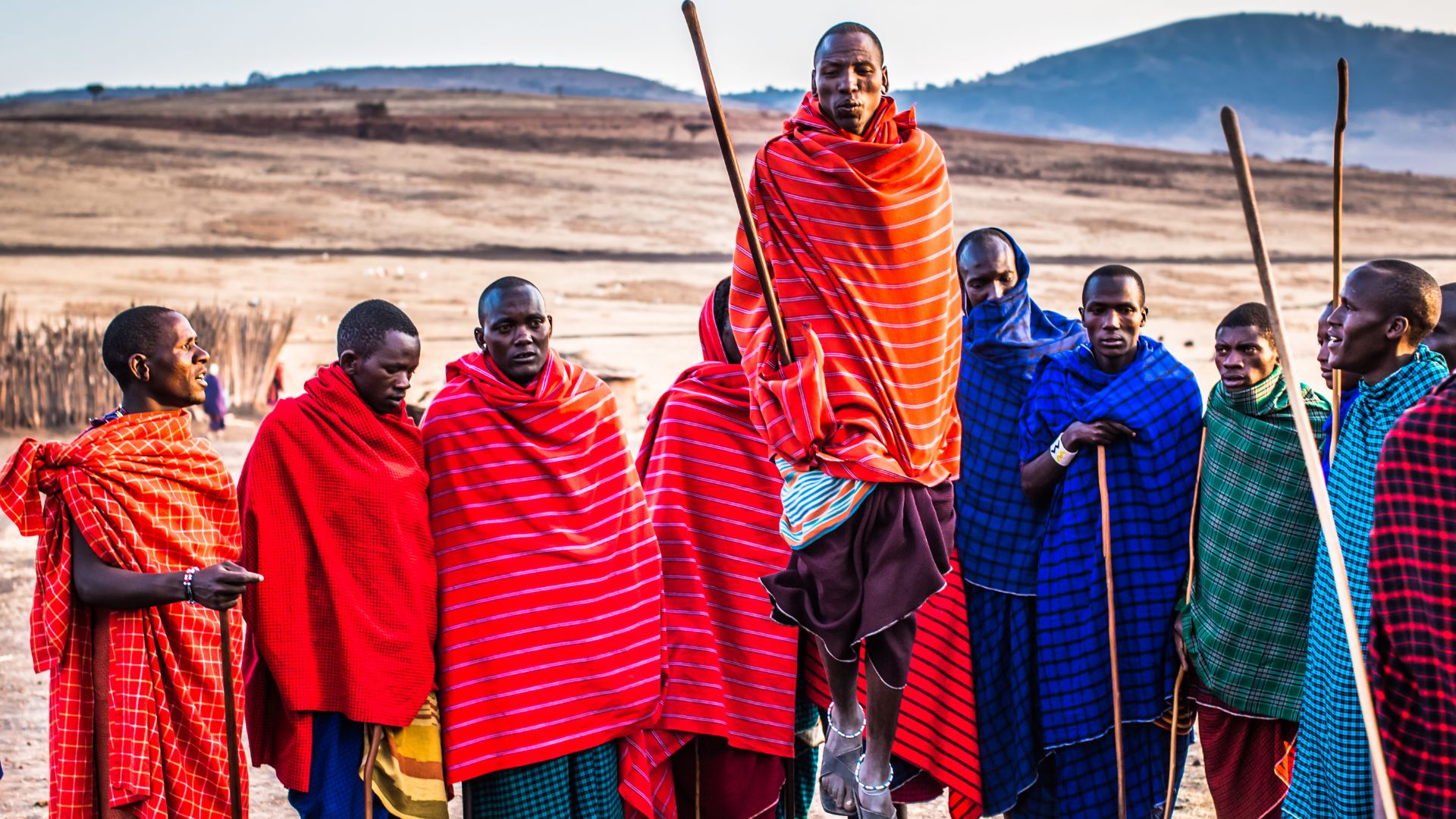
As a doctor with a deep interest in global health and human physiology, I often find it fascinating how traditional practices spark curiosity, especially when they intersect with modern health goals. One such intriguing question is: Can the Masai tribe’s exercises make us taller?
The Masai people of East Africa, particularly in Kenya and Tanzania, are known for their remarkable height, lean build, and impressive jumping abilities, something often showcased in their cultural dance rituals. Videos of Masai warriors performing high vertical jumps with ease have circulated widely, prompting many to wonder if their physical routines hold a secret to increased height. Let’s explore this from a medical and scientific standpoint.
Who Are the Masai?
The Masai (or Maasai) are a semi-nomadic ethnic group known for their distinctive traditions, diet, and lifestyle. Their active lifestyle, which includes walking long distances, herding livestock, and frequent jumping movements, naturally promotes strong, lean musculature and excellent cardiovascular health.
What Is the Masai Jumping Exercise?
The jumping dance, or “Adumu” is often performed by young Masai warriors in ceremonial settings. These vertical jumps, done with minimal knee bend and often repeated many times in a row, have caught the attention of fitness enthusiasts worldwide.
From a fitness perspective, this movement is a form of plyometric exercise, which involves explosive movements that can:
✔️ Improve lower body strength
✔️ Enhance balance and coordination
✔️ Boost vertical leap ability
✔️ Stimulate growth hormone production temporarily
But can it actually increase your height?
Can Exercise Increase Height?
Here’s the honest truth: your height is primarily determined by genetics. Around 60–80% of your final adult height is inherited, while the rest is influenced by nutrition, sleep, posture, and overall health during childhood and adolescence.
Exercises like those performed by the Masai can help in maximizing your natural height potential by:
- Improving posture: Strong core and spinal muscles can prevent slouching and elongate your stature.
- Promoting spinal alignment: Certain stretches and exercises reduce spinal compression.
- Encouraging growth hormone release: Intense physical activity may slightly boost natural growth hormone levels, especially in adolescents.
However, once your growth plates close – usually by the age of 18 in females and 21 in males—your bones cannot lengthen further, no matter how much you jump or stretch.
Are Masai Exercises Beneficial for Health?
Absolutely. While they may not add inches to your height after puberty, incorporating similar bodyweight and plyometric exercises can improve:
- Muscle tone and endurance
- Joint flexibility
- Bone density
- Cardiovascular health
Their upright posture and strong lower limbs may also create the appearance of added height, which is why so many admire their tall, graceful build.
Final Thoughts
So, can Masai tribe exercises make you taller? Not in the literal sense – especially if you’re already past your growth years. But they can certainly enhance posture, athleticism, and physical confidence, all of which contribute to how tall and healthy you appear.
If you’re still growing, combining these exercises with a nutrient-rich diet, proper sleep, and overall fitness may help you reach your tallest potential. Either way, adopting a more active, natural lifestyle like the Masai is a step toward better health.
Promote Bone Health Naturally for Better Posture and Strength
While Masai exercises help improve posture and muscle tone, supporting your bones from within is just as important – especially if you want to maximize your height potential and maintain strong, healthy joints.Our Bone Health Plus supplement is specially formulated with key nutrients like calcium, magnesium, vitamin D3, and zinc to support bone density, joint flexibility, and overall skeletal strength.
Whether you’re still growing or just want to maintain healthy bones as you age, Bone Health Plus helps keep your frame strong so you can stand tall with confidence.
The Science of Height: Genetics and Growth Plates
To understand whether exercise can make us taller, we must first grasp the fundamental science of human height. Our stature is primarily determined by genetics, accounting for approximately 80% of an individual’s potential height. The remaining factors include nutrition, overall health, and environmental influences during childhood and adolescence. Linear growth occurs at specialized areas in our long bones called epiphyseal plates, or growth plates. These cartilage structures produce new bone tissue, gradually lengthening the bones until they fuse, typically in the late teens or early twenties. Once these growth plates have fused, no further increase in height is physiologically possible.
Exercise and Height: What the Research Shows
While the Masai’s “Adumu” is an excellent form of plyometric exercise, beneficial for developing explosive power, muscle strength, and bone density, it does not directly stimulate growth plates to produce more height. There is no scientific evidence to suggest that any specific exercise, including high-impact jumping, can increase a person’s height beyond their genetic potential once their growth plates have fused. For children and adolescents, regular physical activity is crucial for healthy bone development and overall well-being, but it does not alter the predetermined genetic ceiling for height. What exercise can do, however, is improve posture, which can make an individual appear taller by optimizing spinal alignment and reducing slouching.
Beyond Exercise: Other Factors in Masai Height
The remarkable height of the Masai people is likely a complex interplay of several factors, not solely their jumping exercises. Genetics undoubtedly play a significant role, with generations of natural selection potentially favoring taller individuals within their population. Their traditional diet, historically rich in milk, blood, and meat, provides essential nutrients like protein, calcium, and vitamin D, which are crucial for bone development and overall growth during formative years. Furthermore, their active, outdoor lifestyle promotes strong musculoskeletal development and excellent overall health, contributing to their lean and tall physique. It is the combination of these elements, rather than a single exercise, that contributes to their distinctive physical characteristics.
Frequently Asked Questions
Can adults increase their height through exercise?
No, adults cannot increase their height through exercise once their growth plates have fused. Exercise can improve posture and bone density, but not bone length.
Do plyometric exercises make bones longer?
No, plyometric exercises do not make bones longer. They are effective for improving muscle strength, power, and bone density, but they do not stimulate