As a doctor, I frequently get asked about ingrown hairs—those small, often irritating bumps that can show up after shaving, waxing, or tweezing. Most of the time, ingrown hairs are more of a nuisance than a medical issue. However, there are situations where they can become a genuine health concern. Understanding when an ingrown hair crosses the line from harmless to harmful is essential for your overall skin health and well-being.
What Is an Ingrown Hair?
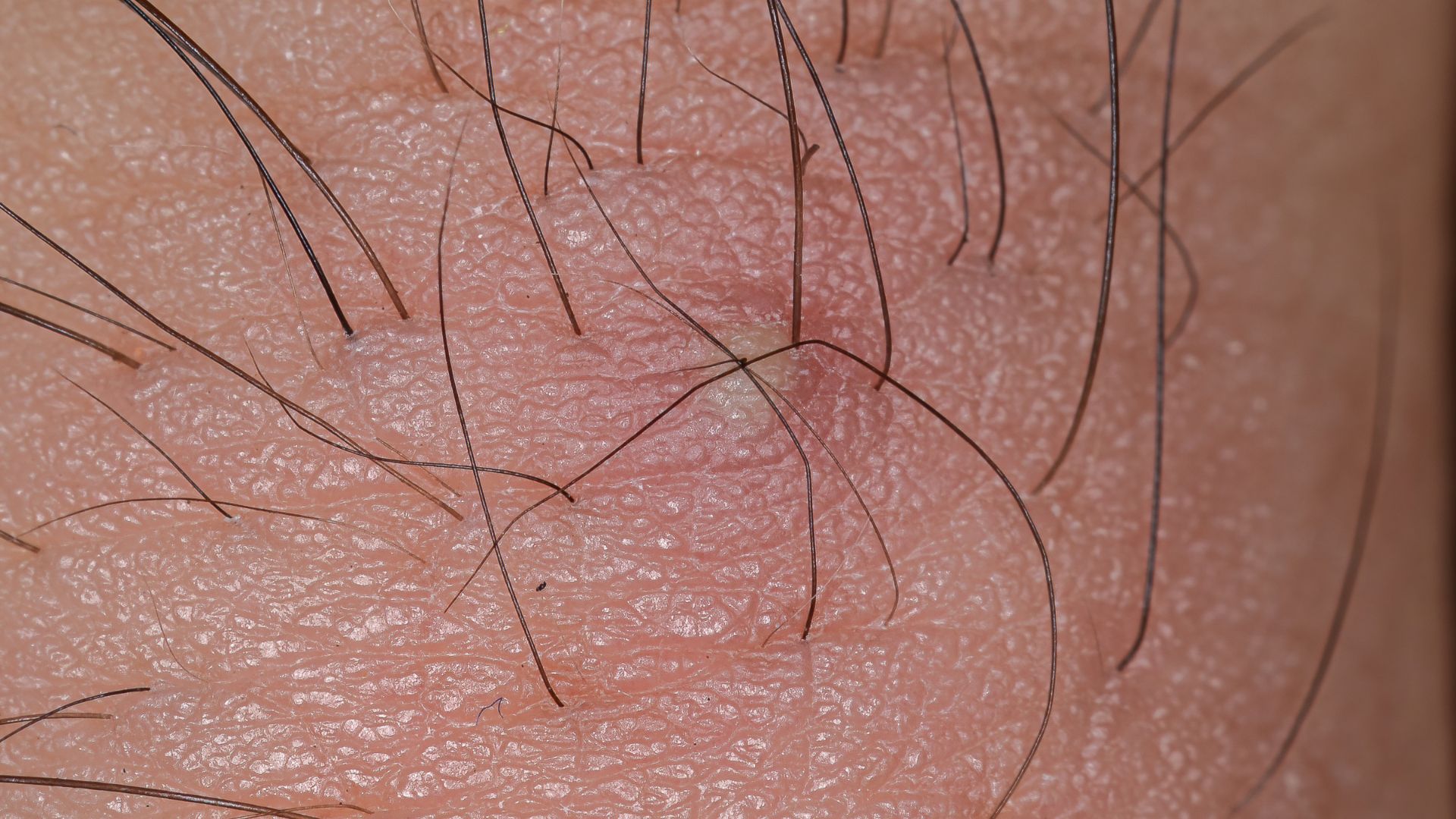
An ingrown hair occurs when a shaved or tweezed hair grows back into the skin instead of rising up from it. This can cause inflammation, redness, itching, and sometimes even painful bumps that resemble pimples. While anyone can get ingrown hairs, they’re more common in people with coarse or curly hair and often appear on the face, neck, legs, underarms, and bikini area.
When Are Ingrown Hairs Harmful?
While most ingrown hairs resolve on their own, here are some situations where they can become dangerous to your health:
1. Infection
If an ingrown hair becomes red, swollen, warm to the touch, and filled with pus, it may be infected. A mild infection can usually be treated at home with warm compresses and antiseptics. However, if the infection worsens, it can lead to: ✔️ Folliculitis – A common bacterial infection of the hair follicle. ✔️ Abscess or boil formation – Painful collections of pus that may require drainage. ✔️ Cellulitis – A more serious skin infection that can spread and requires antibiotics.
2. Cysts or Keloids
Repeated ingrown hairs in the same area can lead to cyst formation—firm, painful lumps beneath the skin. These cysts may require medical treatment or surgical removal. In some individuals, especially those with darker skin tones, chronic irritation from ingrown hairs can result in keloid scars, which are raised, thickened scars that can be itchy or even painful.
3. Spreading Infection
If an infected ingrown hair is not treated properly, the bacteria can spread to surrounding tissues and, in rare cases, enter the bloodstream. This could lead to sepsis, a life-threatening condition. While rare, it’s a reminder that even a small bump can become serious if ignored.
4. Signs of a More Serious Condition
Occasionally, what looks like an ingrown hair may be something more concerning, such as: ✔️ Hidradenitis suppurativa – A chronic skin condition involving painful lumps and abscesses. ✔️ Skin cancer or other dermatological issues – If the bump doesn’t heal, grows rapidly, or changes in appearance, it’s best to get it checked.
When to See a Doctor
You should consult a healthcare provider if:
- The ingrown hair becomes increasingly painful or swollen.
- You notice spreading redness or fever.
- There are multiple recurring ingrown hairs in the same spot.
- The area develops a hard lump or starts oozing pus.
Prevention Tips for Ingrown Hairs
✔️ Exfoliate regularly to remove dead skin cells. ✔️ Use a sharp, clean razor and shave in the direction of hair growth. ✔️ Avoid tight clothing that can cause friction. ✔️ Keep the skin moisturized to reduce hair breakage.
Final Thoughts
Ingrown hairs are usually harmless, but they can become dangerous if they become infected or develop into more serious conditions. Knowing the signs and seeking timely medical attention can prevent complications. If you’re dealing with frequent or problematic ingrown hairs, don’t hesitate to reach out to a healthcare professional for proper diagnosis and treatment.
Have you experienced complications from an ingrown hair? Share your story or ask your questions below!
Frequently Asked Questions
What signs indicate an ingrown hair might be dangerous?
Look for increasing pain, significant redness, swelling
Cysts or Keloids
Repeated ingrown hairs in the same area can lead to cyst formation, which are sac-like structures filled with fluid or semi-solid material that can become painful and infected. For some individuals, particularly those with darker skin tones, chronic inflammation from ingrown hairs can trigger the development of keloids. Keloids are raised, often discolored scars that extend beyond the original site of injury and can be challenging to treat.
Post-inflammatory Hyperpigmentation and Scarring
Even after an ingrown hair resolves, the inflammation it causes can leave behind dark spots on the skin, a
hairs can lead to keloids. Keloids are raised, thickened scars that extend beyond the original wound site and can be disfiguring and itchy. They are more common in individuals with a genetic predisposition and can be challenging to treat, often
Recommended Supplement
Master Biotin Complex from Master Nutritional is designed to support hair strength and growth. This physician-formulated supplement may help complement the healthy habits discussed in this article and contribute to your overall wellness goals.
flammation from ingrown hairs can lead to the formation of keloids. Keloids are raised, firm scars that extend beyond the original site of injury and can be itchy, painful, or cosmetically disfiguring. Both cysts and keloids often require professional medical intervention for effective management.
Post-Inflammatory Hyperpigmentation and Scarring
Beyond the immediate discomfort, chronic or recurrent ingrown hairs can leave lasting marks on your skin. The inflammation associated with ingrown hairs can trigger post-inflammatory hyperpigmentation (PIH), which manifests as dark spots or patches on the skin where the ingrown hair occurred. These discolorations can be particularly noticeable and persistent, especially in individuals with darker skin tones, and may take months or even years to fade. In more severe cases, particularly with repeated trauma, infection, or aggressive attempts to remove the hair, permanent scarring can occur. This can include atrophic scars (indentations) or hypertrophic scars (raised scars), which can be cosmetically bothersome and difficult to treat.
Psychological Impact and Quality of Life
While not a direct physical danger in the same way an infection is, the persistent presence of ingrown hairs can significantly impact an individual’s psychological well-being and overall quality of life. Chronic pain, itching, and visible skin lesions can lead to self-consciousness, embarrassment, and reduced self-esteem. People may avoid social situations, intimate relationships, or activities that expose the affected skin areas. The constant discomfort and the cosmetic concerns can contribute to anxiety and even depression, making it a genuine health concern that extends beyond the physical symptoms. Addressing these issues, whether through effective treatment or preventative measures, is crucial for holistic health.