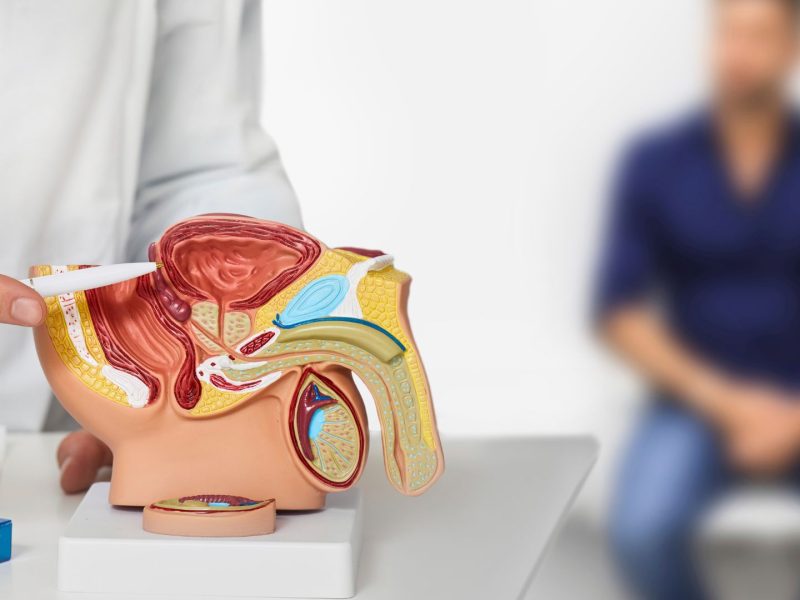
Let’s be real—talking about pubic health isn’t exactly locker-room conversation. But if you’ve been feeling a little itchy or uncomfortable down there, you’re not alone. As a doctor, I often hear men ask, “Why is it itchy?” or “Is this normal?” The truth is, pubic health is an important part of overall well-being, and maintaining good hygiene can prevent discomfort, infections, and irritation. So, let’s dive into everything you need to know about keeping your pubic region healthy and itch-free.
Common Causes of Pubic Itching
If you’re experiencing itching in your groin area, several factors could be at play. Here are some of the most common culprits:
1. Poor Hygiene
Not washing your pubic area regularly can lead to sweat buildup, bacteria, and an unpleasant odor. Aim to clean the area daily using warm water and mild, fragrance-free soap to prevent irritation.
2. Ingrown Hairs
Shaving or trimming your pubic hair? Ingrown hairs can cause itchy, red bumps. To prevent them, exfoliate gently and consider using a sharp, clean razor or an electric trimmer instead of a blade.
3. Jock Itch (Fungal Infection)
Jock itch, caused by a fungal infection, leads to a red, scaly rash and intense itching. It thrives in warm, moist environments like sweaty groins. Keep the area dry, wear moisture-wicking underwear, and use antifungal creams if needed.
4. Allergic Reactions
Your skin might be reacting to certain soaps, detergents, or grooming products. Opt for hypoallergenic, fragrance-free products to reduce the risk of irritation.
5. Pubic Lice (Crabs)
Although less common, pubic lice can cause extreme itching. If you notice tiny white eggs or moving lice in your pubic hair, consult a doctor for proper treatment.
6. Skin Conditions
Eczema, psoriasis, or other skin conditions can affect the pubic area, causing dryness, redness, and itching. If over-the-counter moisturizers don’t help, seek medical advice.
7. Sexually Transmitted Infections (STIs)
Some STIs, like herpes or chlamydia, can cause itching, redness, or discomfort. If you experience additional symptoms like sores, unusual discharge, or pain during urination, get tested immediately.
How to Maintain Good Pubic Health
Now that we’ve covered potential causes of pubic itching, here’s how you can keep things fresh and healthy:
- Wash Daily: Use warm water and mild soap to cleanse the area and prevent bacterial buildup.
- Wear Breathable Underwear: Cotton underwear helps absorb moisture and keeps your groin dry.
- Trim, Don’t Shave (If You’re Prone to Ingrown Hairs): A short trim can help maintain hygiene while reducing the risk of irritation.
- Stay Dry: Change out of sweaty clothes after exercise, and consider using talcum-free powders to reduce friction and moisture.
- Practice Safe Sex: Using protection and getting regular STI screenings can prevent infections that cause itching and discomfort.
- Moisturize: If you have sensitive skin, applying a fragrance-free moisturizer can prevent dryness and irritation.
When to See a Doctor
If itching persists for more than a week, worsens, or comes with other symptoms (rashes, sores, discharge, or pain), don’t ignore it. Seeking medical advice can help diagnose the issue and prevent it from worsening.
Final Thoughts
Pubic health is just as important as the rest of your body’s hygiene. A little care and attention go a long way in keeping your groin itch-free and comfortable. So, if you’ve been dealing with persistent discomfort, take action today—your body will thank you for it.
Have questions or concerns? Drop them in the comments, and let’s keep the conversation going!
Frequently Asked Questions
Q: What are the most common
When to See a Doctor
While many causes of pubic itching can be managed with good hygiene and over-the-counter remedies, there are times when a doctor’s visit is essential. You should consult a healthcare professional if your itching is severe, persistent, or accompanied by other concerning symptoms. Look out for a rash that spreads rapidly, develops blisters, or becomes painful. Any unusual discharge, sores, or lumps in the pubic area warrant immediate medical attention. If you suspect you have pubic lice, a fungal infection that isn’t responding to antifungal creams, or a sexually transmitted infection, a doctor can provide an accurate diagnosis and appropriate treatment. Early intervention can prevent complications and ensure your comfort and well-being.
Tips for Maintaining Pubic Health
Proactive steps can significantly reduce your risk of experiencing pubic discomfort and itching. Beyond daily washing with mild, fragrance-free soap, ensure you thoroughly dry the area afterward, as moisture creates a breeding ground for bacteria and fungi. Opt for breathable underwear made from cotton or moisture-wicking fabrics, and change it daily, or more often if you sweat heavily. When it comes to hair removal, if you choose to shave or trim, always use a clean, sharp razor or trimmer and shave in the direction of hair growth to minimize ingrown hairs. Regular exfoliation with a gentle scrub can also help prevent ingrown hairs. Avoid tight clothing that traps heat and moisture, and be mindful of any new products you introduce to the area, as they could trigger an allergic reaction. Prioritizing these simple habits can make a big difference in keeping your pubic region healthy and comfortable.
A Supplement Worth Discussing With Your Doctor
One product worth exploring is Master Multivitamin Gummies from Master Nutritional. This supplement helps fill nutritional gaps, supports sustained energy levels, and promotes overall daily wellness.
- Formulated with high-quality, science-backed ingredients
- Designed for long-term wellness support
- Available at masternutritional.com
These statements have not been evaluated by the FDA. Not intended to diagnose, treat, cure, or prevent any disease. Always consult your physician.