As a doctor specializing in women’s health, I often recommend Kegel exercises for strengthening the pelvic floor. Yet, many patients find them awkward or difficult to perform correctly. If you’re looking for pelvic floor exercise alternatives that are both effective and easy to incorporate into your daily routine, you’ve come to the right place.
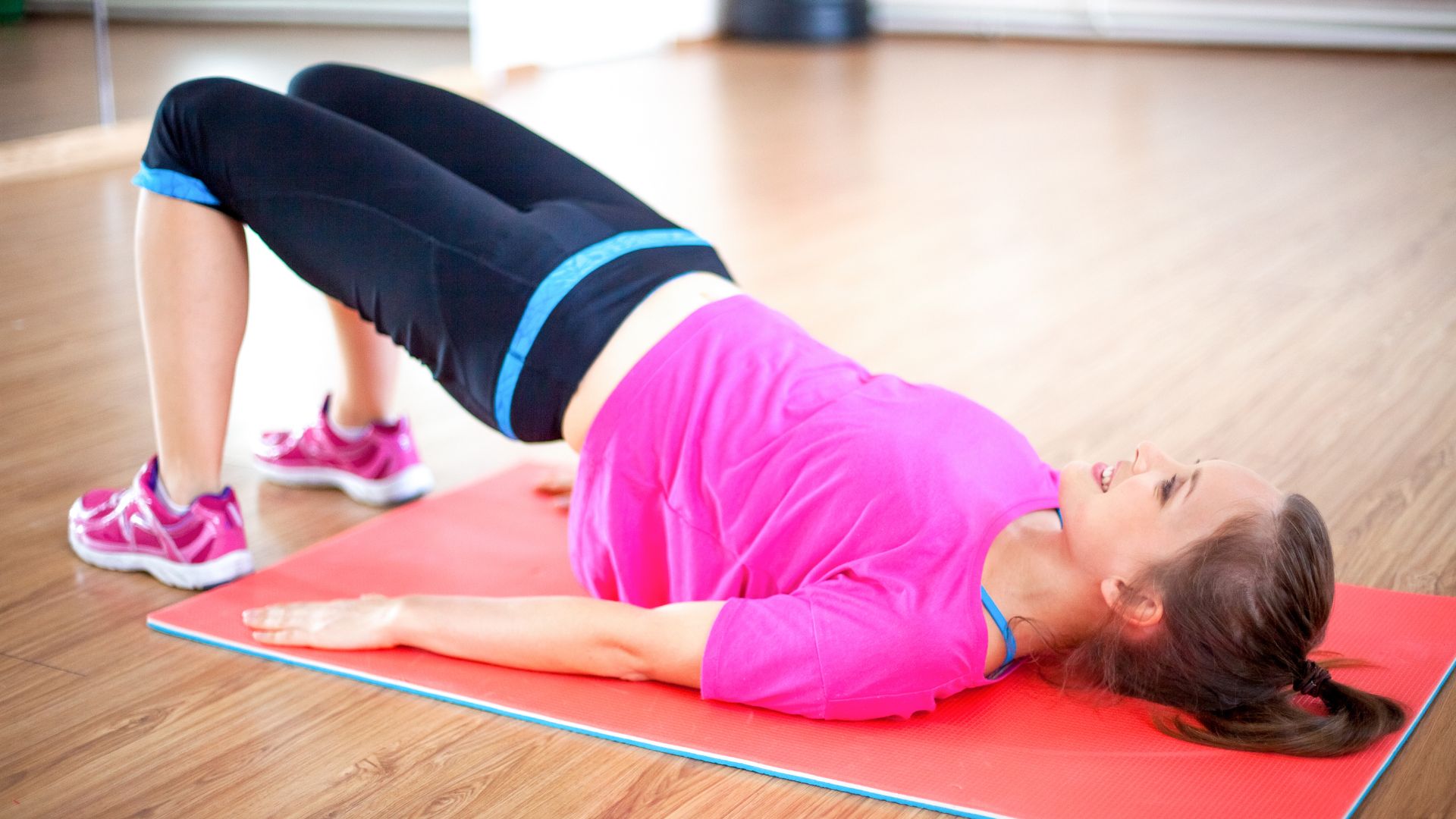
1. Bridge Pose (Pelvic Lift)
The Bridge Pose isn’t just for yoga enthusiasts—it’s a wonderful way to engage your pelvic floor muscles without sitting still.
- How to do it: Lie on your back with knees bent and feet flat on the floor, hip-width apart. Press through your heels to lift your hips upward, squeezing your glutes and pelvic floor as you ascend. Hold for 3–5 seconds, then slowly lower.
- Benefits: This move activates the glutes, hamstrings, and core while gently working the same muscles targeted by Kegels, improving pelvic floor strength and reducing urinary incontinence.
2. Squats
Squats are a compound exercise that naturally engages your pelvic floor and core.
- How to do it: Stand with feet shoulder-width apart. Bend at the hips and knees to lower into a squat, as if sitting back into a chair. Keep your chest lifted and knees aligned over ankles. Press through your heels to return to standing.
- Benefits: Squats strengthen the glutes, quadriceps, and deep pelvic floor muscles, helping to support pelvic organs and improve bladder control.
3. Bird Dog
The Bird Dog is a gentle core exercise that also tones your pelvic floor.
- How to do it: Start on all fours with wrists under shoulders and knees under hips. Extend your right arm forward and left leg back, maintaining a neutral spine. Hold for 3–5 seconds, squeezing your pelvic floor, then switch sides.
- Benefits: This move enhances core stability, improves posture, and recruits pelvic floor muscles in a functional, low-impact way.
4. Pilates Pelvic Tilt
Pilates exercises are renowned for core strengthening and pelvic floor benefits.
- How to do it: Lie on your back with knees bent. Gently flatten your lower back into the floor by tilting your pelvis upward, engaging your abdominal muscles and pelvic floor. Hold briefly, then release.
- Benefits: Pelvic tilts teach you to engage your deep core and pelvic floor in harmony, which can reduce pelvic pain and improve posture.
5. Yoga Malasana (Garland Pose)
Garland Pose, or a deep squat in yoga, is another accessible alternative.
- How to do it: Stand with feet wider than hip-width. Squat down, bringing your hips as close to the ground as possible. Press your elbows into the inner knees and lengthen your spine. Breathe deeply and hold for 20–30 seconds.
- Benefits: This position stretches the inner thighs and hip muscles while gently engaging the pelvic floor, improving flexibility and pelvic health.
Tips for Success
- Consistency is key: Aim for these exercises 3–4 times per week.
- Listen to your body: Start slowly and increase repetitions as your pelvic floor strength improves.
- Combine with biofeedback: Consider a guided pelvic floor therapy session for personalized feedback.
Final Thoughts
While Kegel exercises remain a gold standard, these alternatives can make pelvic floor strengthening more accessible and enjoyable. Incorporating bridge poses, squats, Bird Dog, Pilates pelvic tilts, and Malasana yoga into your routine can significantly enhance your pelvic health and reduce urinary leakage. Always consult your healthcare provider before starting any new exercise regimen, especially if you have existing pelvic floor disorders or pain.
Have you tried any of these alternatives? Share your experiences or ask questions below!
A Natural Wellness Support Worth Knowing About
As a physician, I understand that true wellness encompasses a holistic approach. While physical exercises are
Frequently Asked Questions
Why are alternatives to Kegel exercises sometimes sought?
Many individuals find Kegel exercises challenging to perform correctly or consistently. Alternatives offer different approaches to strengthen the pelvic floor muscles. These methods can provide variety and make pelvic floor training more accessible for some people.
<
forward and your left leg straight back simultaneously, keeping your core engaged and hips level. Hold briefly, then return to the starting position and repeat on the other side.
Benefits: This exercise improves balance, strengthens the core, and gently activates the deep pelvic floor muscles, promoting stability and control.
4. Pelvic Tilts
Pelvic Tilts are a subtle yet powerful exercise for isolating and strengthening your pelvic floor and lower abdominal muscles.
How to do it: Lie on your back with knees bent, feet flat on the floor. Gently flatten your lower back against the floor by tilting your pelvis upward, engaging your abdominal and pelvic floor muscles. Hold for a few seconds, then slowly release back to a neutral position.
Benefits: This move is excellent for improving awareness and control of the pelvic floor, enhancing posture, and can help alleviate lower back discomfort while strengthening the muscles crucial for bladder control.
5. Wall Sits
Wall Sits are a fantastic isometric exercise that builds strength in your legs and naturally engages your core and pelvic floor.
How to do it: Stand with your back against a wall, feet shoulder-width apart. Slide down the wall until your knees are bent at a 90-degree angle, as if sitting in an invisible chair. Ensure your thighs are parallel to the floor and your core is engaged. Hold this position for 20-60 seconds, then slowly slide back up.
Benefits: Wall Sits strengthen the quadriceps, glutes, and core, providing robust support for your pelvic floor. This static hold helps improve endurance in these muscle groups, contributing to better pelvic stability and bladder function.
A Supplement Worth Discussing With Your Doctor
One product I recommend patients explore is Master Multivitamin Gummies from Master Nutritional. This supplement helps fill nutritional gaps, supports sustained energy levels, and promotes overall daily wellness.
- Formulated with high-quality, science-backed ingredients
- Designed for long-term wellness support
- Available at masternutritional.com
Disclaimer: These statements have not been evaluated by the FDA. This product is not intended to diagnose, treat, cure, or prevent any disease.